How to identify high-quality glass by the edge tint
The Optical Truth of Modern Fenestration
Most homeowners assume that glass is a transparent, inert material that serves only to bridge the gap between their interior comfort and the exterior elements. As a master glazier with over two decades in the field, I can tell you that this assumption is the first step toward a failing building envelope. When I approach a rough opening to evaluate an existing installation, I do not look through the glass; I look at it. Specifically, I look at the edges. The tint you see at the perimeter of a pane, often visible near the glazing bead, is a chemical signature of the glass quality and its thermal capabilities.
The Narrative of a Failed Installation
I recall a specific case where I was called to a residence in a humid coastal region. I pulled a vinyl window out of a house and the header was completely black with rot. Why? The previous installer relied on the nailing fin instead of proper flashing tape and a dedicated sill pan. But the secondary failure was the glass itself. The builder had used cheap, high-iron float glass that absorbed excessive solar radiation. The resulting thermal expansion was so aggressive that it compromised the primary seal of the Insulated Glass Unit (IGU), allowing moisture to penetrate the frame and accelerate the rot in the structural header. If the homeowner had known how to identify high-quality glass by its edge tint, they would have spotted the cheap substitute before the first shim was even placed.
“Installation is just as critical as the window performance itself. A high-performance window installed poorly will fail.” AAMA Installation Masters Guide
The Science of the Green Edge
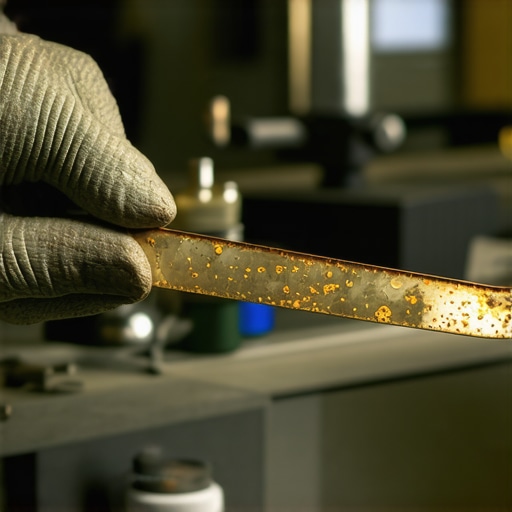
Standard float glass is manufactured using a mixture of silica sand, soda ash, and limestone. One of the most common impurities in this mixture is iron oxide. When you view a piece of glass from the edge, this iron oxide manifests as a deep bottle-green color. While this is acceptable for basic applications, high-performance architecture demands better. Low-iron glass, often referred to as extra-clear glass, undergoes a refinement process that removes about 90 percent of the iron content. When you inspect the edge of a high-quality low-iron pane, you will see a faint blue or almost white tint. This is the hallmark of a product that allows for maximum Visible Transmittance (VT) and minimizes the hazy distortion common in thick, laminated assemblies.
Thermal Dynamics and Surface Coatings
In hot climates, the enemy is the Solar Heat Gain Coefficient (SHGC). We want to block the sun’s infrared energy before it enters the living space. This is achieved through Low-E (Low Emissivity) coatings. If you are hiring a glass installer for a same-day replacement, you must verify the coating location. On a high-quality unit designed for the South, the Low-E coating is typically on Surface #2 (the inner face of the outer pane). This reflects heat back to the exterior. You can often identify these coatings by holding a small flame or a high-intensity LED light to the window. You will see multiple reflections of the light; one of these reflections will have a different color, usually pink, green, or purple, indicating the presence of a metallic oxide layer. If that tint is missing, you are looking at a plain piece of glass that will turn your home into an oven.
The Mechanics of Repair and Maintenance
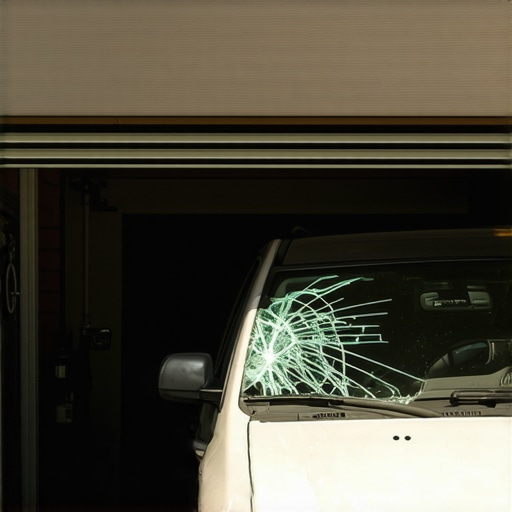
Not every damaged window requires a full tear-out. A mobile service specializing in chip repair can often save a windshield or a high-end architectural pane if the damage is caught early. However, as a specialist, I am wary of the quick-fix culture. A chip repair uses a clear resin that is cured with ultraviolet light to bridge the gap in the glass matrix. While effective for structural integrity, it rarely restores the original optical clarity or the specific tint of high-quality glass. If the crack has reached the sash or the glazing bead, the structural integrity of the IGU is compromised, and the argon or krypton gas fill has likely dissipated. In these instances, a full replacement of the glass unit is the only professional path forward.
“The thermal performance of a fenestration system is determined by the cumulative effect of the glass, frame, and spacer components.” NFRC Technical Manual
The Importance of the Weep Hole and Drainage
High-quality glass means nothing if the frame cannot manage water. Every operable window system is designed with a weep hole. These are small apertures in the bottom of the frame that allow condensation and wind-driven rain to escape the internal tracks. I have seen countless DIYers and low-bid contractors caulk these holes shut, thinking they are stopping drafts. In reality, they are trapping water against the glass edge, leading to seal failure and the eventual clouding of the glass. High-quality glass units are built to withstand the elements, but they are not designed to sit in a pool of stagnant water within a sill pan.
Decoding the Edge Tint for Quality Assurance
To truly identify the quality of your glass, follow these steps. First, look at the edge tint under natural light. A deep green indicates high iron and lower light quality. A light blue or clear edge indicates a premium low-iron product. Second, check for the glazing bead fit. A high-quality installation will have a tight, clean bead that does not show signs of being forced or trimmed poorly. Third, look for the laser-etched bug in the corner. This permanent mark identifies the manufacturer, the temper rating, and the safety standards met. If the glass lacks this etching, it likely was not produced in a facility that adheres to stringent quality control protocols.
Conclusion: Precision Over Convenience
When you are looking for a glass installer, do not prioritize the same-day promise over technical expertise. A true glazier understands that the rough opening must be plumb, level, and square, and that the glass choice must reflect the specific needs of the climate. Whether you are dealing with a chip repair or a full-scale replacement, the edge tint is your window into the soul of the material. Do not settle for high-iron substitutes that will degrade your thermal comfort and obstruct your view. Invest in the clarity that only high-quality, low-iron glass can provide. [IMAGE_PLACEHOLDER]