Why professional technicians wear anti-static bands
The precision of modern glazing has reached a level where a single spark of static electricity can compromise a multi-thousand dollar installation. When you see a mobile glass installer step out of a van and strap on an anti-static band before performing a chip repair or a sensor-integrated replacement, they are not just performing theater. They are managing the physics of a high-performance aperture. As a glazier with over two decades in the field, I have seen the industry shift from simple plate glass to complex, multi-layered thermal envelopes that behave more like semiconductors than building materials.
A homeowner once called me in a panic because their new high-efficiency windows were sweating profusely. I walked in with my hygrometer and showed them that the interior humidity was sitting at 60 percent. It was not a product failure; it was their lifestyle and HVAC settings clashing with the dew point. I had to explain that the glass was so efficient at staying cool that the ambient moisture in the room was condensing on the surface. This is the reality of high-performance glazing: it is a finely tuned instrument that reacts to its environment. If the technician ignores the microscopic environment during a repair, the entire system fails. This is precisely why anti-static grounding is now a standard operating procedure for top-tier mobile service units.
“Installation is just as critical as the window performance itself. A high-performance window installed poorly will fail.” AAMA Installation Masters Guide
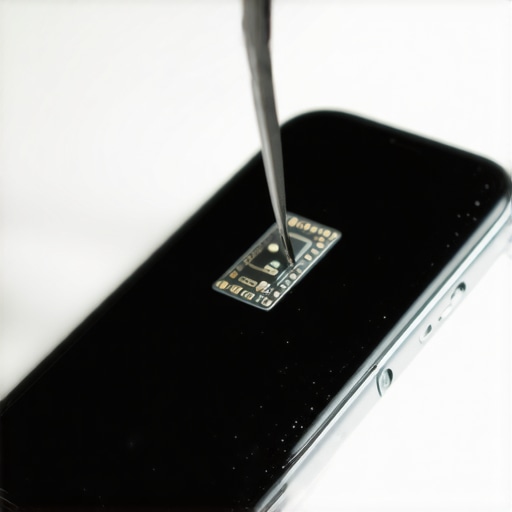
In a mobile service context, especially for same-day chip repair, the technician is fighting an uphill battle against the elements. When glass is polished or cleaned, it builds up a significant static charge. For standard clear glass, this is a nuisance. For high-performance glass with a Low-E coating on Surface 2 or embedded sensors for home automation, that static charge is a magnet for microscopic contaminants. If a technician is repairing a chip and their body carries a static charge, they will attract dust and metallic particles directly into the resin injection site. Once that resin is cured under UV light, those particles are permanently entombed, ruining the optical clarity and potentially causing a structural weak point where the resin meets the glass laminate.
The anti-static band prevents the technician from becoming a walking capacitor. By grounding themselves to the vehicle or a dedicated grounding point, they ensure that the glass surface remains neutral. This is particularly vital in hot, dry climates where the Solar Heat Gain Coefficient (SHGC) is the primary metric we track. In these regions, we utilize Low-E coatings that reflect long-wave infrared radiation. These coatings are often applied via a sputter process that creates a microscopically thin layer of silver or other metals. Static discharge can actually create micro-pitting in these sensitive layers if the glass is handled improperly during a mobile repair.
When we talk about the technical side of the window, we must look at the NFRC labels. In a southern climate, the SHGC is king. You want a low SHGC to block the sun’s radiant heat before it ever enters the Rough Opening. If you are in a cooling-dominated zone, your glass choice should prioritize reflecting that energy back into the atmosphere. This is often achieved through a coating on the interior side of the outer pane. If a chip occurs on this pane, the repair must be surgical. A mobile technician who understands the chemistry of the glass will use the anti-static band to ensure that the cleaning solvents and resins do not react with the metallic ions in the coating.
Proper water management is another area where the