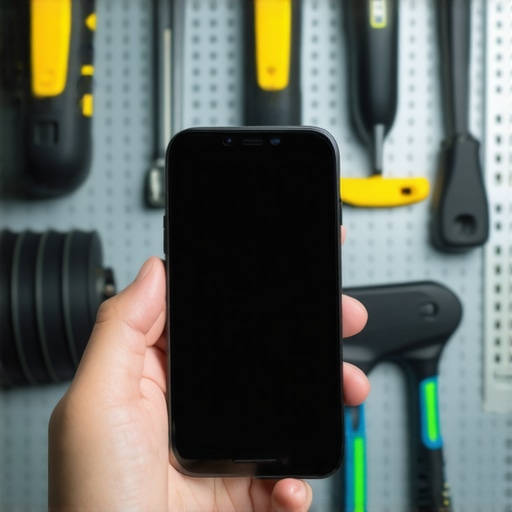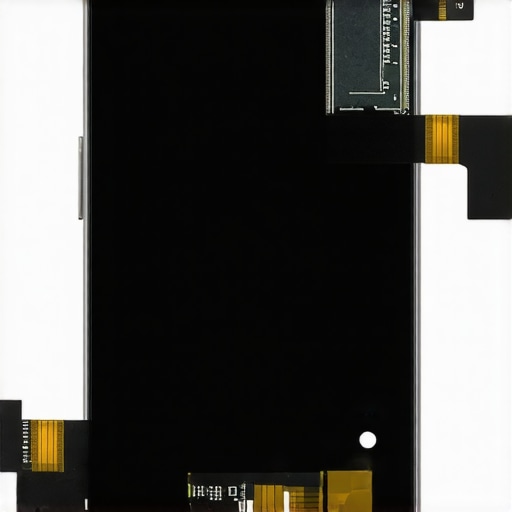
Why we use a specific suction jig for tablet screen removals
In my twenty-five years as a master glazier, I have learned that whether you are installing a twenty-foot curtain wall in a downtown skyscraper or repairing a chip in a mobile tablet screen, the physics of glass remain uncompromising. You cannot negotiate with surface tension or thermal stress. I remember a specific case that perfectly illustrates the importance of environmental awareness in glazing. A homeowner called me in a panic because their new windows were ‘sweating.’ I walked in with my hygrometer and showed them the humidity was 60 percent. It was not the windows; it was their lifestyle choices regarding ventilation. This taught me that whether we are discussing a sash in a residential home or the glass on a tablet, the performance is entirely dependent on the system surrounding it. When we perform a mobile service for tablet glass, we are essentially acting as a glass installer for a micro-scale rough opening. The frame of the tablet acts as the masonry, and the adhesive is our glazing bead. If you do not understand the tolerances of that rough opening, you are destined to fail.
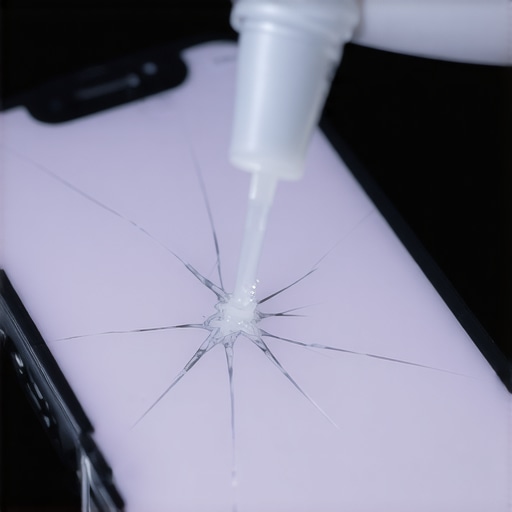
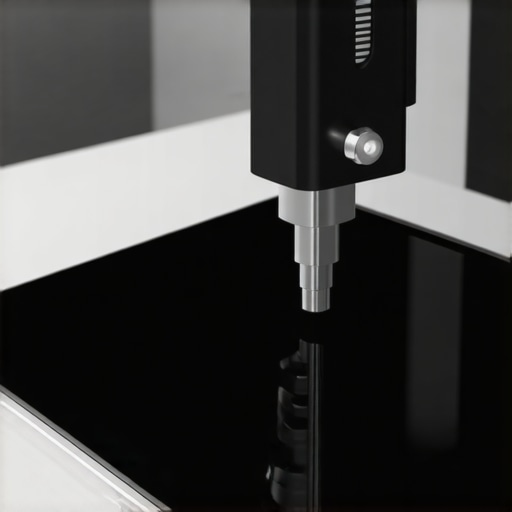
The move toward using a specific suction jig for tablet removals is not a matter of convenience; it is a matter of mechanical necessity. When dealing with modern aluminosilicate glass, we are working with materials that have been chemically strengthened. However, that strength is primarily focused on the face of the glass. The edges remain vulnerable to micro-fractures. If a technician uses a standard hand-held suction cup, they apply localized force that can exceed the tensile strength of the glass at a single point. This is why we use a specialized jig. The jig allows for the application of uniform, perpendicular force across the entire surface area. It ensures that the suction is not just a pull, but a managed separation of the pressure-sensitive adhesive. In the glazing trade, we often talk about the importance of a sill pan to manage water, and in tablet repair, the suction jig acts as our primary defense against the structural failure of the glass during the removal phase.
“Installation is just as critical as the window performance itself. A high-performance window installed poorly will fail.” – AAMA Installation Masters Guide
In northern, cold climates like ours, temperature management during a same-day mobile service is the difference between a successful chip repair and a shattered screen. When the thermometer drops, the adhesive holding the glass into the frame becomes rigid and brittle. In our world, the U-Factor is king because we must keep the interior heat in and the exterior cold out. When we bring a cold tablet into our mobile repair unit, we must understand the dew point to avoid internal condensation under the glass. We use thermal heat pads to mimic the way a Low-E coating reflects long-wave infrared radiation back into a room. By warming the glass to a specific temperature, we lower the viscosity of the adhesive, allowing the suction jig to lift the screen without compromising the frame. If you try to shim the glass when it is cold, you will snap the sash or, in this case, the bezel of the tablet.
Understanding the NFRC labels on a window helps a homeowner choose the right glass for their home, and understanding the specific transmittance of tablet glass is just as vital for a technician. Most people do not realize that the glass on their device has specific coatings to reduce glare and fingerprints, much like the sputtered coatings we see on high-performance commercial glass. When we perform a same-day repair, we are looking at the Visible Transmittance (VT) and ensuring the new glass matches the original specifications. We do not just ‘caulk-and-walk’ these repairs. We treat the replacement glass with the same respect we would give a historic wood sash. We ensure the weep holes in our thinking are clear, so that moisture and debris do not interfere with the final bond. The mobile service environment must be as controlled as a laboratory. This is why we do not just rely on handheld tools. A suction jig provides a repeatable, calibrated force that a human hand simply cannot replicate.
“Standard practices for the installation of exterior windows, doors and skylights ensure the integrity of the building envelope.” – ASTM E2112
The technical specs of the jig involve a screw-driven vacuum plunger that can be adjusted in increments of a fraction of a millimeter. This is critical because the operable components inside a tablet are often millimeters away from the glass. If the suction is too aggressive, you risk pulling the digitizer away from the LCD, a mistake that turns a simple glass replacement into a total loss. By using a jig, we can apply shims (plastic opening picks) at precise intervals around the perimeter. This is identical to the way we would shim a window into a rough opening to ensure it is plumb, level, and square. Without the jig holding the tension, the glass would simply sink back into the adhesive, making the repair impossible to complete within a same-day timeframe. We are managing the physics of the glass and the chemistry of the adhesive simultaneously.
For those in cold regions, the thermal expansion coefficient of the glass compared to the metal or plastic frame is a major factor. If you install a screen in a cold van and then the user takes it into a warm house, the expansion can cause the glass to crack if the adhesive does not have room to move. This is why we use specific adhesives that act as a thermal break. A master glazier knows that you never hard-set a piece of glass without allowing for movement. Our suction jig allows us to place the glass perfectly within the frame, ensuring there is a uniform gap around the entire edge. This gap is our expansion joint. Whether it is a muntin on a window or the edge of a smartphone, the glass needs to breathe. We avoid the hype of high-pressure sales and focus on the numbers. The U-Factor of the glass and the shear strength of the bond are the only metrics that matter in the long run. Do not trust an installer who does not use the right equipment for the job. Precision is not an option; it is a requirement for any glass service that claims to be professional.