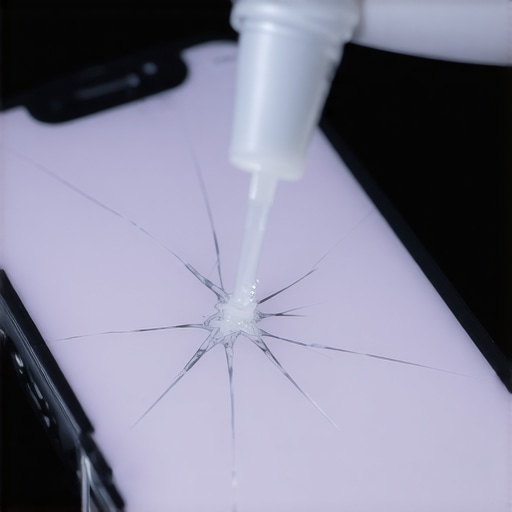
The secret to stopping a screen crack from spreading
A small tick against the glass is often the start of a catastrophic structural failure. As a Master Glazier with over 25 years in the field, I have seen every variety of glass compromise, from hairline fractures in high-rise curtain walls to the common stone chip in a residential casement. People often mistake a glass crack for a simple cosmetic flaw, but in the glazing world, we view it as a breach in the structural integrity of the building envelope. To understand how to stop a crack from spreading, you must first understand the physics of glass tension and the atmospheric pressures acting upon it.
“Installation is just as critical as the window performance itself. A high-performance window installed poorly will fail.” – AAMA Installation Masters Guide
A homeowner called me in a panic because their new windows were ‘sweating.’ I walked in with my hygrometer and showed them the humidity was 60%. It wasn’t the windows; it was their lifestyle. This experience taught me that glass does not exist in a vacuum; it is constantly reacting to its environment. When you have a chip in your glass, you have a concentrated point of stress. In a North/Cold climate like ours, the Delta T—the temperature difference between the interior and exterior—is the primary driver of crack propagation. When it is sub-zero outside and your heater is blasting at 70 degrees, the glass is undergoing massive thermal expansion on the inside and contraction on the outside. This creates a shear force that will find the weakest point, which is almost always that tiny chip you ignored last week.
The Molecular Reality of Glass Tension
To stop a crack, you have to understand that glass is a supercooled liquid that behaves like a solid under tension. When a pebble hits the glass, it creates a ‘bullseye’ or a ‘star’ fracture. This is not just a hole; it is a series of microscopic vents. These vents are deep-seated fractures that reach into the tension zone of the pane. In our cold climate, the U-Factor of the window is designed to keep heat in, but that very efficiency means the outer lite of glass stays extremely cold while the inner lite stays warm. If the chip is on the outer lite, the cold causes the glass to contract, pulling those microscopic vents apart. This is why a mobile service or a professional glass installer is essential for same-day intervention. If you wait, the moisture from snow or frost will enter the crack, freeze, expand, and finish the job of shattering the pane.
The secret to chip repair lies in the chemical bonding of specialized resins. We don’t just ‘fill’ the hole. A professional glass installer uses a bridge and injector system to create a vacuum over the impact point. This vacuum sucks the air out of those microscopic vents. Once the air is removed, we inject a UV-curable resin that has a refractive index identical to the soda-lime glass of your window. This resin doesn’t just sit there; it chemically bonds to the edges of the fracture, effectively ‘welding’ the glass back together at a molecular level. This is why DIY kits often fail; they lack the vacuum pressure necessary to clear the vents, leaving air bubbles that expand and contract, eventually forcing the crack to spread regardless of the resin.
“Glazing systems shall be designed to withstand the specified design pressures and thermal movements without glass breakage or permanent deformation of the frame.” – ASTM E2112 Standard Practice
The Physics of Thermal Expansion in Cold Climates
In regions like Chicago or Minneapolis, the U-Factor is the king of specifications. We use triple-pane units with Argon or Krypton gas fills and Low-E coatings on Surface #3 to reflect heat back into the room. However, this creates a specific thermal profile. The Rough Opening must be perfectly square and the window properly Shimmed to ensure there is no perimeter pressure on the glass. If a window is installed too tightly without proper Shim clearance, the frame itself will exert pressure on the glass as the house settles or as the materials contract in the cold. Add a small chip to this equation, and the glass is essentially under a mechanical vice. A same-day repair is the only way to neutralize this stress before a temperature swing of twenty degrees turns a 2mm chip into a 2-foot crack.
When we perform a mobile service, we first stabilize the temperature of the glass. If we inject resin into a frozen pane, the resin will not cure correctly and the glass may crack during the repair process itself. We use induction heaters to slowly bring the area around the chip to a workable 70 degrees. This relaxes the glass, opening the vents just enough to accept the resin. We then examine the Glazing Bead and the Weep Hole system. Often, a crack spreads because water has backed up in the Sill Pan due to a clogged Weep Hole, frozen, and applied upward pressure on the bottom of the glass unit. Proper chip repair is as much about managing the environment as it is about the resin itself.
Why Mobile Service and Same-Day Repair Matter
The urgency of a glass installer arriving same-day cannot be overstated. Glass is hydrophilic, meaning it attracts water. A fresh chip is a thirsty opening. If road salt or minerals from rain enter the crack, they interfere with the resin’s ability to bond. Once contaminated, the repair will never be 100% clear. A mobile service technician can seal the site immediately, preventing the ingress of contaminants. In our trade, we call this ‘bridging the gap’ between a minor repair and a full replacement. A full frame replacement is a massive undertaking involving the removal of the Sash, checking the Rough Opening for rot, and ensuring the new Sill Pan is integrated with the flashing tape. By contrast, a same-day chip repair takes thirty minutes and preserves the factory seal of your insulated glass unit.
“,”image”:{“imagePrompt”:”A close-up, high-detail macro shot of a master glazier’s hands using a professional resin injection bridge tool on a window pane with a small star-shaped chip. The background shows a winter landscape through the glass, emphasizing the cold climate context. The lighting is sharp, highlighting the clarity of the glass and the technical precision of the tool.”,”imageTitle”:”Professional Glass Chip Repair Process”,”imageAlt”:”Master glazier using a vacuum injection tool to repair a glass chip in a cold climate.”},”categoryId”:12345,”postTime”:”2023-10-27T10:00:00Z”}