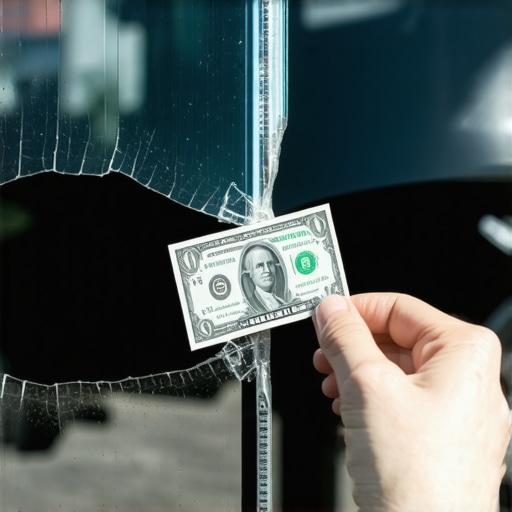
Why professional resin outperforms those DIY windshield kits
The Physics of the Fracture: More Than Just a Crack
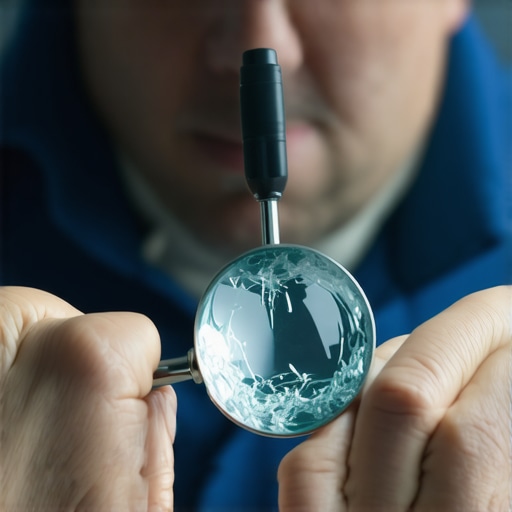
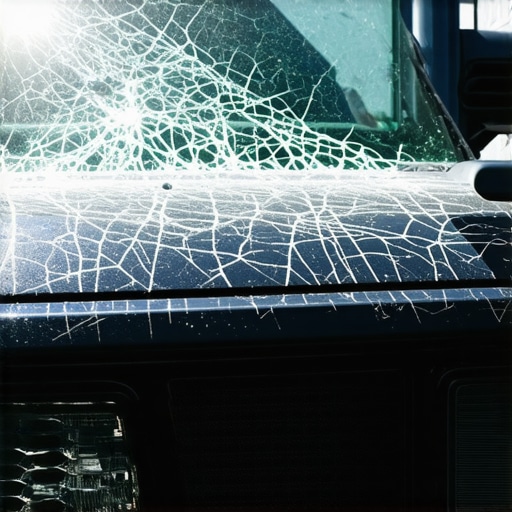
In the world of professional glazing, we do not view a windshield as a mere piece of glass. It is a structural component of the vehicle, a sophisticated sandwich of two plies of annealed glass bonded by a Polyvinyl Butyral (PVB) interlayer. When a rock strikes that surface, it creates a localized fracture that compromises the tension and compression balance of the unit. The common mistake I see from ‘caulk-and-walk’ amateurs is treating a chip like a simple cosmetic blemish. It is not. It is a structural failure that requires a precise vacuum and injection cycle to remediate. Many drivers believe they can grab a retail kit and solve the problem, but they are fighting a losing battle against physics, particularly in the harsh, high-variability climates of the North.
A homeowner called me in a panic because their new windows were ‘sweating.’ I walked in with my hygrometer and showed them the humidity was 60 percent. It was not the windows; it was their lifestyle. I see the exact same thing with car owners who try to use a DIY windshield kit in a humid or cold environment. They trap moisture inside the break, seal it with a low-grade acrylic, and then wonder why the glass turns milky or the crack propagates across the entire span when the first frost hits. This trapped moisture, when it reaches the dew point, begins a process of delamination that no store-bought plunger can fix. Professional chip repair is about moisture displacement and chemical bonding, not just filling a hole with goop.
“Installation is just as critical as the window performance itself. A high-performance window installed poorly will fail.” – AAMA Installation Masters Guide
The Chemistry of Resin: Why Viscosity and Refractive Index Matter
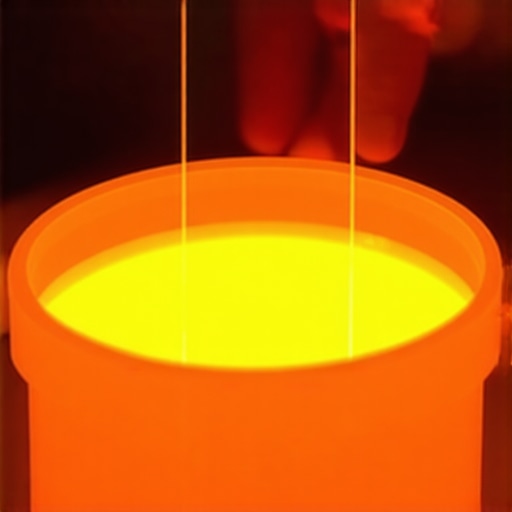
When a professional glass installer approaches a chip repair, they are not using a one-size-fits-all liquid. We carry an array of resins with varying centipoise (cP) ratings. Viscosity is the key. In a tight star-break, you need an ultra-thin resin with a low cP to penetrate the microscopic fissures. In a wider bullseye, a thicker resin is required to provide structural support. DIY kits typically provide a mid-range resin that is too thick for deep penetration and too thin for structural integrity. Furthermore, professional resins are engineered to match the refractive index of the glass. This ensures that light passes through the repair at the same speed and angle as the surrounding glass, making the repair nearly invisible. Retail kits often use resins that yellow over time or have a different refractive index, leading to a permanent ‘glare spot’ that distracts the driver.
The curing process is another area where the pro-grade approach dominates. We use high-intensity UV lamps with specific wavelengths to ensure a full anaerobic cure. The sun-curing method recommended by DIY kits is unreliable. If the UV exposure is uneven, the resin shrinks. In the glazing world, shrinkage is the enemy. It creates a gap between the resin and the rough opening of the crack, allowing air and water to re-enter. Just as we use flashing tape and a sill pan to manage water in a residential window installation, the professional resin acts as the primary barrier against the elements. If that barrier shrinks, the structural integrity of the windshield is lost.
Thermal Stress and the Northern Climate Factor
In cold climates like Minneapolis or Chicago, the U-Factor of your glass matters, even in your car. The temperature differential between the heated cabin and the freezing exterior creates massive thermal stress. A chip is a point of concentrated stress. Professional repair involves using a bridge and injector tool that creates a vacuum to remove all air from the break before injecting the resin. This is critical. If even a microscopic bubble of air remains, it will expand and contract with the temperature. When that air expands, it acts like a wedge, driving the crack further into the glass. This is why we emphasize same-day chip repair. The longer you wait, the more ‘road salt’ and grime enter the break, making it impossible to achieve a clean bond.
“A high-performance window installed poorly will fail. The same applies to any fenestration product where the seal is compromised.” – ASTM E2112 Standard Practice
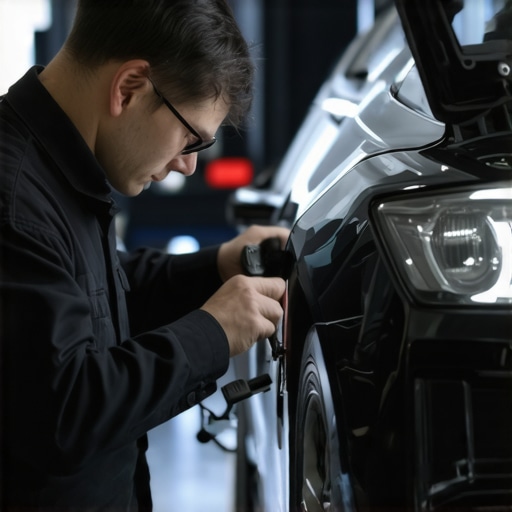
We treat the windshield like an operable sash in a high-wind zone. It must withstand positive and negative pressure. When you are driving at 70 mph, the wind pressure on that glass is significant. A professional mobile service technician understands that the bond must be stronger than the glass itself. We look for ‘weep hole’ equivalents in the glass structure to ensure no moisture is trapped. We don’t just ‘fill’ the crack; we restore the tension. DIY kits cannot create the vacuum necessary to pull the resin into the tips of the ‘legs’ of a star-break. They rely on gravity or a simple plastic plunger, which is about as effective as trying to seal a window with a glazing bead and no sealant. It looks okay for a week, but the first time you hit a pothole or a temperature spike, the repair fails.
The Myth of the Cheap Fix: ROI and Safety
The logic of the ‘Tin Man’ salesman is often used to sell these cheap kits. They tell you it will save you money. But let’s look at the math. A professional chip repair is a fraction of the cost of a full windshield replacement. If you use a DIY kit and it fails, you cannot ‘re-repair’ it. The failed resin is now cured inside the crack, blocking any professional-grade resin from entering. You have effectively turned a $100 repair into a $500 replacement. From a glazier’s perspective, this is a tragedy of wasted materials. We focus on the shim and the seal. In a professional mobile service, we ensure the glass is at the optimal temperature before beginning the injection. We use heat or cooling to stabilize the rough opening of the break. This level of precision is why our repairs hold up for the life of the vehicle, whereas DIY repairs often fail within the first season change.
When you call a professional glass installer, you are paying for the 25 years of experience that tells us exactly how the glass will react to a specific resin. We understand the muntin and the sash of the vehicle’s frame and how they put pressure on the glass. We don’t ‘caulk-and-walk.’ We ensure that the final pit resin is leveled to a perfect plane, preventing your wiper blades from skipping or wearing out prematurely. This is the difference between a temporary patch and a permanent engineering solution. Do not gamble with your visibility or your vehicle’s structural integrity. Trust the science of professional glazing.