What happens to your warranty when you replace the windshield
The Integrity of the Factory Seal: A Master Glazier’s Perspective
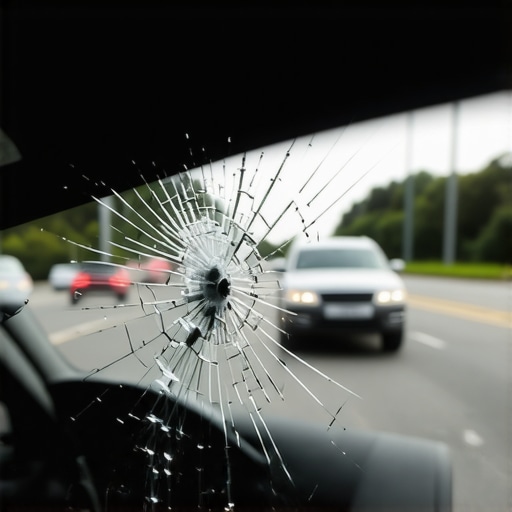
When a rock chips your glass on the highway, your first thought is usually the cost of repair. Your second thought, if you are savvy, is your vehicle’s warranty. Most drivers assume that the moment a glass installer touches their car, the manufacturer’s warranty evaporates. This is a misconception, but it is one rooted in a grain of truth regarding poor installation practices. In the glazing world, whether we are talking about a high-rise curtain wall or a laminated windshield, the ‘rough opening’—in this case, the pinch weld of your vehicle—is a sacred space. If that space is compromised, the structural integrity of the entire unit is at risk.
The Houston Humidity Disaster: A Narrative of Failed Adhesion
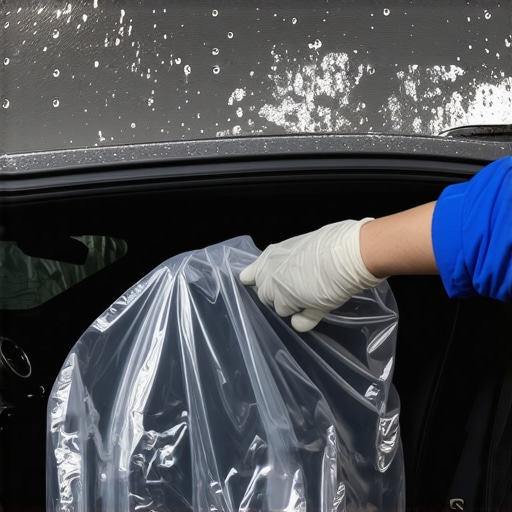
I remember a case in Houston where a homeowner called me to look at their residential windows, but the conversation quickly shifted to the puddle on the floorboards of their new luxury SUV. They had opted for a budget-rate, same-day mobile service after a minor chip repair turned into a full-blown crack. The installer had pulled the old glass out in 95-degree heat with 90% humidity and slapped the new one in without waiting for the primer to flash off. Within three weeks, the urethane bond failed. The manufacturer denied the warranty claim on the electrical system because the water bypass was caused by an aftermarket installation error. The installer had relied on the thickness of the bead rather than the chemistry of the bond, much like a ‘caulk-and-walk’ contractor who ignores proper flashing tape in a home installation. The result? A black-mold-ridden dashboard and a voided vehicle warranty.
“Installation is just as critical as the window performance itself. A high-performance window installed poorly will fail.” – AAMA Installation Masters Guide
Understanding the Magnuson-Moss Warranty Act
Under the Magnuson-Moss Warranty Act, a vehicle manufacturer cannot legally void your entire warranty just because you used an aftermarket part or a third-party glass installer. However, they can deny a specific claim if they can prove that the aftermarket glass or the installation process caused the failure. For instance, if your windshield is replaced and later your rain sensors or Lane Keep Assist (ADAS) fail, the manufacturer will scrutinize the calibration. If the chip repair or full replacement was not handled by a certified technician who understands the ‘operable’ tolerances of these sensors, you are on the hook for the repair costs.
Climate Logic: The Enemy of the Southern Windshield
In hot climates like Texas or Florida, the primary enemy of your windshield is Solar Heat Gain (SHGC). Your windshield is not just a piece of glass; it is a structural component that manages radiant heat. High-quality glass uses specific coatings—similar to Low-E coatings on Surface #2 in residential glazing—to reflect infrared radiation. When you opt for a cheap replacement, you often lose that thermal protection. This causes the cabin temperature to spike, putting an immense load on your AC system and potentially warping the interior trim. Furthermore, in these high-heat environments, the ‘dew point’ within the cabin can lead to condensation behind the glass if the thermal break isn’t maintained, eventually causing electronic failure. A master glazier knows that the adhesive must be rated for high-temperature application to prevent ‘shimming’ or shifting of the glass during the initial cure phase.
The Technical Anatomy: Why the Installer Matters More Than the Brand
A windshield replacement is a complex surgical procedure. The glass installer must first remove the old urethane down to a thin, consistent layer. In the world of home windows, we look at the sill pan and weep hole to manage water. In a car, the cowl and the urethane bead perform this function. If the installer nicks the paint on the pinch weld and fails to apply a corrosion inhibitor, rust will develop under the glass. This is the automotive equivalent of a rotten header in a house. You won’t see it until it is too late, and by then, the structural ‘sash’ of your vehicle is compromised.
“Standard practice for installation of exterior windows, doors, and skylights requires a level of precision that ensures long-term moisture management and structural load transfer.” – ASTM E2112
ADAS Calibration: The New Frontier of Glass Warranty
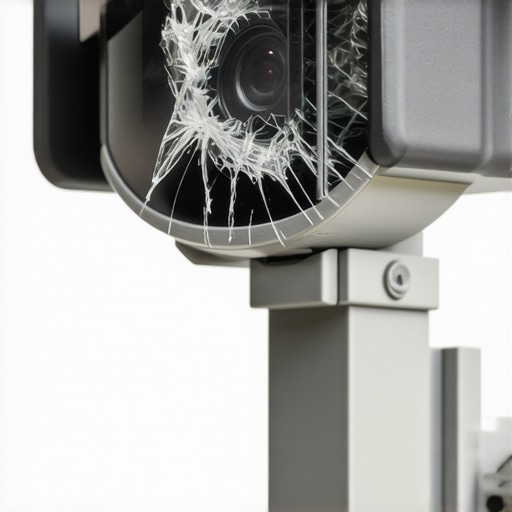
Modern windshields are often equipped with cameras and sensors. This is where most warranty disputes arise today. If your glass installer provides same-day mobile service but lacks the equipment to perform a static or dynamic calibration, your safety systems may be ‘operable’ but inaccurate. A miscalibration of just one degree can result in a car that ‘sees’ the lane markers three feet to the left of where they actually are. If you are involved in an accident, your insurance company and the vehicle manufacturer will look at the calibration logs. If those logs don’t exist, your warranty protection is the least of your worries.
The Myth of the ‘Seamless’ Repair
Many shops promise a ‘seamless’ look, but as a professional with 25 years in the trade, I look for the technical markers. Is there a consistent glazing bead? Is the glass centered within the rough opening of the frame? Does the glass meet the same VT (Visible Transmittance) standards as the original? Using a mobile service for a chip repair is perfectly acceptable for minor impacts, but once the structural layer is breached, the physics change. The glass must be able to withstand positive and negative wind pressures at 80 mph. If the replacement glass is thinner than the OEM spec, it can affect the deployment of the passenger-side airbag, which uses the windshield as a backstop. Cheap glass is not just a visibility issue; it is a safety failure.
Conclusion: Protecting Your Investment
To keep your warranty intact, you must demand a glass installer who follows NFRC-level documentation standards. Ensure they use OEM-equivalent glass and high-modulus urethanes that match the vehicle’s original specs. Don’t be swayed by ‘tin man’ sales tactics that offer the lowest price. Instead, ask about their calibration process and their protocol for treating the pinch weld. In the end, the glass is only as good as the technician who sets it.