Why your mobile technician needs a flat driveway
The Hidden Complexity of Mobile Glass Repair
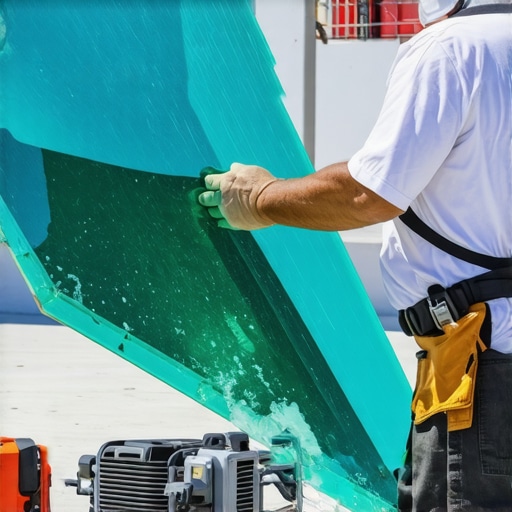
When you book a same-day mobile service for a chip repair, you are not just paying for a technician to show up and squirt some glue into a crack. You are hiring a specialist to perform a high-precision chemical and structural intervention. As a master glazier with over two decades in the field, I can tell you that the environment where this repair occurs is just as vital as the tools we use. One of the most common hurdles we face is the request to perform work on a steep incline or an uneven surface. It sounds like a minor inconvenience, but the physics of glass dictates otherwise. A window is an amorphous solid that is remarkably sensitive to torsional stress. When your vehicle or a window frame is parked on a significant slope, the entire structural aperture is under a twisting force known as racking. This tension can turn a simple repair into a catastrophic failure in seconds.
The Narrative Reality: A Lessons from the Incline
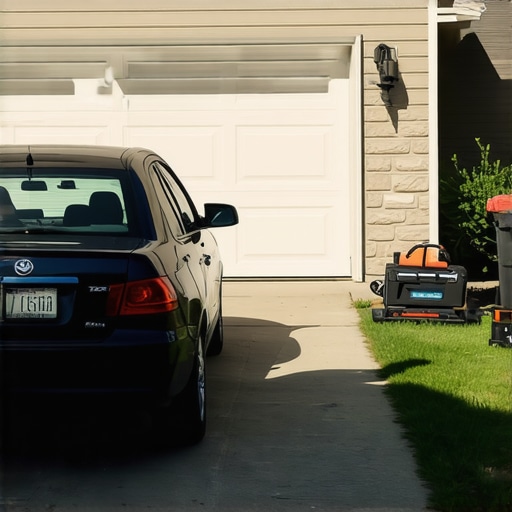
I recall a specific incident in a hilly neighborhood where a homeowner called me for a mobile service to fix a bullseye fracture on a custom-sized operable window unit. I arrived to find the property had a driveway at a nearly twenty degree grade. I warned the client that the torsional load on the glass was high, but they were in a rush for a same-day fix. As soon as I applied the bridge tool to create the necessary vacuum for resin injection, the uneven pressure caused the fracture to radiate across the entire pane. Why? Because the frame was not square. The rough opening was being squeezed by the weight of the structure shifting on that slope. I had to explain that we weren’t just fighting the crack; we were fighting gravity. This is why a flat driveway is the first requirement for any glass installer who actually understands the science of their trade.
Torsional Stress and the Physics of the Frame
In a perfect world, every window would be perfectly plumb and level. In the world of mobile service, we have to create that environment. When a vehicle or a window frame sits on an angle, the weight is distributed unevenly across the glazing bead and the setting blocks. This creates localized stress points. When we perform a chip repair, we are often using a bridge and injector system that exerts physical pressure on the glass surface. If the glass is already under tension from being on a slope, that additional pressure exceeds the modulus of rupture of the glass.
“Installation is just as critical as the window performance itself. A high-performance window installed poorly will fail.” AAMA Installation Masters Guide
This principle applies to repairs as much as it does to new construction. If the technician cannot get the surface level, they cannot guarantee that the resin will flow into every microscopic fissure of the break. Gravity pulls the resin to the low side of the chip, leaving air pockets that will eventually expand and cause the repair to fail when the temperature shifts.
Thermal Dynamics and the North/Cold Context
In colder climates, the delta between the interior temperature and the exterior air is a constant threat to glass integrity. This is where the U-Factor becomes king. The U-Factor measures the rate of heat loss; the lower the number, the better the glass is at keeping heat inside. During a mobile service in a cold environment, the glass is already stressed by thermal contraction. If you add the mechanical stress of an uneven driveway, you are asking for a crack-out. We use warm-edge spacers in modern glazing to mitigate the cold transfer at the edges, but a chip in the center of the pane breaks that thermal barrier. When we inject resin, we need it to bond at a molecular level with the glass. This process is hindered by condensation, which often forms more readily on the lower side of a tilted window. By ensuring the work area is flat, the technician can manage the dew point and ensure the glass is at the optimal temperature for the chemical bond to take place. We are essentially managing the molecular tension of the glass while trying to restore its optical clarity.
The Mechanics of Resin Injection
A true glass installer knows that resin viscosity is highly sensitive to gravity. When the injector is perpendicular to the earth, the resin can be forced into the break with uniform pressure. On a slope, the resin wants to follow the path of least resistance. This is particularly problematic with star breaks, where the tiny legs of the crack need to be completely filled to prevent them from spreading. We use specialized shims in some cases to level our equipment, but nothing replaces a flat workspace.
“Proper window installation and repair require a stable, level environment to ensure that the structural integrity of the fenestration unit is maintained throughout the process.” ASTM E2112 Standard Practice
If the technician has to fight the angle of the car or the house, they are not focusing on the minute details of the repair. They are focusing on keeping their tools from sliding off the glass. This is why we insist on a level spot for our mobile service. It allows us to use the weight of the injector to our advantage, ensuring that the air is fully evacuated before the curing resin is introduced.
Why Same-Day Service Demands Precision
The allure of same-day service is convenience, but that convenience should never come at the cost of quality. When we arrive on-site, we are assessing the rough opening, checking for signs of frame shift, and looking at the weep holes to ensure no moisture is trapped in the sill pan. If the setup is not level, our assessment is skewed. We might miss a slight bow in the frame that is putting pressure on the glass. In a mobile service scenario, we don’t have the luxury of a controlled shop environment, so the driveway becomes our laboratory. We need to control every variable we can. A flat surface means the UV curing light can be placed at the exact distance and angle needed to harden the resin uniformly. If the light is angled because the car is on a hill, one side of the repair may cure faster than the other, leading to internal stress within the resin itself. This can cause the repair to yellow or pop out after just a few months of exposure to the sun.
Conclusion: Respecting the Craft
Next time you call for a glass installer, remember that the request for a flat driveway is a sign of a professional who cares about the longevity of the repair. It is about managing the SHGC or Solar Heat Gain Coefficient by ensuring the Low-E coatings aren’t compromised during the process. It is about making sure the operable parts of the window stay operable. Most importantly, it is about respecting the physics of the material. Glass is a beautiful, complex, and temperamental substance. It requires a steady hand, a level surface, and a deep understanding of how pressure and temperature interact. When you provide a flat workspace, you are giving your technician the best chance to save your glass and save you money in the long run. Don’t settle for a caulk-and-walk technician who says they can work anywhere. Look for the glazier who checks the level before they ever open their tool kit.