How a mobile tech works in a busy parking garage
The Engineering Behind the Mobile Windshield Repair
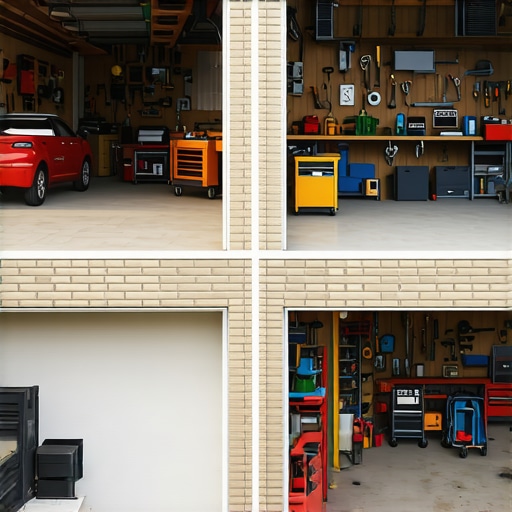
Operating as a mobile glass installer in the confines of a multi-level parking garage is not merely a matter of convenience. It is a calculated exercise in environmental management. When a client requests a same-day chip repair, they often overlook the physics required to ensure that the resin bonds correctly with the laminated safety glass. I remember a specific instance where a homeowner called me in a panic because their new windshield was sweating from the inside after a mobile installation in a damp underground facility. I walked in with my hygrometer and showed them the humidity was 60 percent. It was not the glass itself failing. It was the atmospheric conditions of the garage trapped against the cold glass surface. This scenario illustrates why a professional glass installer must account for more than just the crack in front of them. We are managing the dew point and the surface temperature of the substrate to prevent catastrophic failure of the repair resin.
“Installation is just as critical as the window performance itself. A high-performance window installed poorly will fail.” – AAMA Installation Masters Guide
The Physics of Resin Infiltration in Low-Light Environments
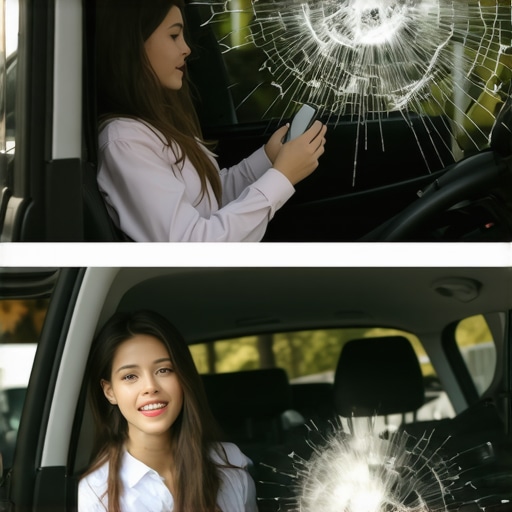
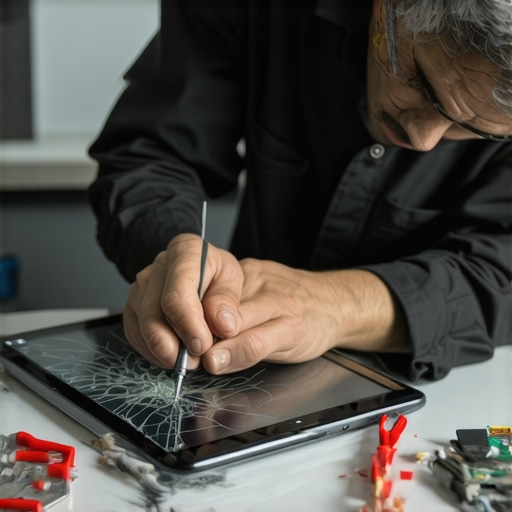
A chip repair is an injection process. We use a bridge and injector tool to create a vacuum, pulling air out of the break before forcing a clear curable resin into the void. In a busy parking garage, the challenges are twofold: lighting and temperature. Without proper visible light, a technician cannot verify if the resin has reached the tips of every micro-fissure. If even a microscopic amount of air remains, the repair will fail when the glass expands in the sun. This is where the technical expertise of a glass installer becomes evident. We do not just slap on a suction cup. We analyze the break type, whether it is a bullseye, a star break, or a combination. Each requires a different pressure sequence. Same-day service demands efficiency, but it cannot sacrifice the mechanical bond. The resin must have a viscosity that matches the ambient temperature. In a cold garage, the resin thickens, making it difficult to penetrate the tightest parts of the fracture. Conversely, in a hot garage, the resin may become too thin, leading to poor structural reinforcement.
Structural Integrity and the Role of Laminated Glass
Every windshield is a sandwich of two layers of glass with a polyvinyl butyral (PVB) interlayer. When a rock hits the glass, it usually only damages the outer layer. The goal of a professional mobile service is to restore the structural integrity of that outer layer so it can continue to support the roof during a rollover accident. I often see amateur attempts where the technician ignored the weep hole or failed to check the cowl drains. If water cannot escape the area around the glass, it sits against the urethane seal, eventually leading to rust in the pinchweld. This is why a proper rough opening inspection is vital even in automotive glass. We look for any signs of corrosion on the metal frame before the new glass is set. Using shims to ensure the glass is perfectly centered is not an option. It is a requirement for the safety systems like ADAS cameras to function correctly.
“The integrity of the structural seal is paramount for occupant safety during a roof-crush event.” – NFRC Performance Standards
Climate Logic: Managing Thermal Shock in Concrete Structures
In northern climates where the temperature outside might be ten degrees while the garage is forty degrees, thermal shock is a constant threat. If I apply a heated resin to a freezing windshield, the glass can crack instantly, turning a simple chip repair into a full replacement. A mobile service technician must use specialized heaters to gradually bring the glass up to a workable temperature. This is the science of glazing zooming. We focus on the molecular level of the glass. The Low-E coatings found on many modern vehicles work similarly to those in residential windows, reflecting infrared radiation. When working in a garage, we have to be careful not to damage these coatings or the integrated heating elements often found near the wipers. We ensure the glazing bead is intact and that the sash of the vehicle door provides adequate clearance if we are working on side glass. The math of the repair always comes back to the U-Factor of the environment versus the SHGC needs of the vehicle owner. Blocking the sun is one thing, but managing the heat of a high-pressure resin injection is another entirely. Don’t buy the marketing hype of the quick fix. Buy the technical expertise of someone who understands how glass behaves under pressure. Small details like checking the sill pan of the window regulator or ensuring the flashing tape is applied to the firewall interface make the difference between a dry cabin and a moldy interior. Water management is a science, and in the world of glass, there is no room for error.