The trick to removing air from a chip repair
I have spent over twenty five years as a master glazier and window specialist and if there is one thing I have learned it is that glass is not just a transparent barrier it is a high performance structural component that operates under immense physical stress. When a pebble or debris strikes a window pane creating a chip you are not just looking at a cosmetic blemish. You are looking at a localized failure of the glass surface that has introduced a pocket of air and moisture into the matrix. The secret to a successful mobile service chip repair is not just filling the void with resin but the absolute extraction of air to restore the refractive index of the material. In my decades of experience I have seen too many glass installer amateurs attempt a caulk and walk repair where they simply drop resin onto the surface and hope for the best. That is a recipe for a structural crack the moment the dew point shifts or the first freeze hit.
The Physics of the Void and the Narrative of Failure
A homeowner once called me in a panic because their brand new high performance windows were sweating and a small chip they had ignored for a month had suddenly branched into a three foot crack. I walked in with my hygrometer and showed them that the internal humidity was sixty percent which was bad enough but the real culprit was the air trapped inside that chip. As the temperature dropped the air inside that tiny void contracted and then when the morning sun hit the glass it expanded at a different rate than the surrounding laminate. It was not a faulty window it was a failure to manage the physics of the glass. This is why immediate same-day mobile service is not a luxury it is a structural necessity. When you leave a chip open you are allowing the rough opening of that crack to collect contaminants that will eventually make a clean repair impossible.
“Installation and maintenance are just as critical as the window performance itself. A high-performance window or glass unit that is compromised by surface damage and left untreated will inevitably fail to meet its designed thermal and structural benchmarks.” – AAMA Installation Masters Guide
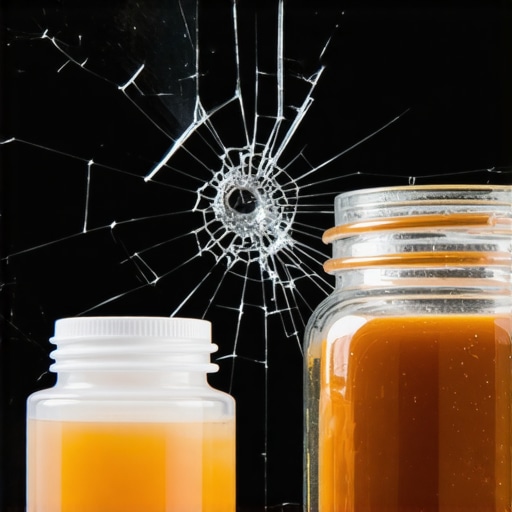
To understand the trick to removing air we must look at the glass as a master glazier does. We are dealing with laminated or tempered units where the surface tension is precisely calibrated. When a chip occurs it creates a series of micro fractures radiating from the impact point. These are often filled with air which has a different refractive index than the glass. This is why the chip is visible. If you do not remove that air the resin will simply sit on top like a lid trapping the gas inside. As a professional glass installer my approach involves a bridge tool and a vacuum cycle. We do not just push resin in we pull the air out first.
The Technical Zoom: Vacuum Cycles and Resin Viscosity
The core of the trick lies in the manipulation of pressure. Using a professional bridge tool I create a seal over the rough opening of the chip. The first stage is the vacuum phase. By drawing a vacuum we are forcing the air trapped in the deepest recesses of the break to migrate to the surface. This is where patience separates the masters from the amateurs. You have to watch the air bubbles through a magnifying lens. In cold climates like Chicago or Minneapolis this process is even more delicate because the glass is brittle and the resin viscosity increases. We often have to use a warming element to bring the glass to an optimal seventy degrees. If the glass is too cold the resin will not flow into the microscopic shims created by the impact. If it is too hot the resin might cure prematurely before the air has been fully evacuated.
Once the vacuum has been held for several minutes and no more air bubbles are seen migrating from the star or bullseye break we switch to the pressure phase. This is not about brute force. It is about gently shimming the crack open at a microscopic level to allow the anaerobic resin to penetrate every void. The resin used in professional chip repair is an acrylate monomer designed to match the light bending properties of glass exactly. If there is even a micron of air left the repair will appear as a silver or black reflection because the light is hitting a gas-to-solid interface rather than passing through a continuous solid.
Climate Logic and the U-Factor Conflict
In the North heat loss and condensation are the primary enemies. A chip in a window sash represents a failure in the thermal envelope. If you have a triple pane unit with an Argon gas fill a chip that penetrates the first layer can compromise the entire insulating value. The U-Factor which measures the rate of heat transfer will spike at the point of the break. By performing a high quality chip repair we are effectively sealing the thermal bridge. We use Low-E compatible resins that do not interfere with the coatings on Surface three of the glass which are designed to reflect long wave infrared radiation back into the home. For residents in cold climates the goal is to prevent the freeze thaw cycle from expanding the trapped air which acts like a wedge driving the crack further across the pane.
“The integrity of the fenestration assembly is dependent on the continuity of its surfaces. Even minor surface defects can lead to significant thermal bridging and eventual mechanical failure under wind load or thermal stress.” – NFRC Performance Standards
In my experience as a glass installer I have found that many people do not realize that the muntin and the glazing bead also play a role in the stability of the glass during a repair. If the glass is vibrating within the frame because it was not properly shimmed during the original installation the pressure from the repair tool can actually cause the chip to spread. I always check the sill pan and the flashing tape around the unit to ensure that there is no moisture wicking into the rough opening from the outside. A chip repair is part of a larger water management science. If water enters the chip and then freezes it expands by nine percent. That is more than enough force to shatter a tempered pane or delaminate a safety glass unit.
The Professional Mobile Service Advantage
Why is same-day mobile service so vital? Because every hour a chip is exposed to the elements it collects dust road salt and car wash chemicals. These contaminants are the enemy of resin bonding. As a specialist I use a specialized cleaning agent that does not contain oils to prep the site. We avoid any cleaners with silicone as they will prevent the resin from ever truly bonding to the glass. The trick to a perfect finish is the final curing and pit filling. After the air is removed and the structural resin is cured under a UV lamp we apply a thicker pit resin to the surface. This is then leveled with a surgical grade blade to ensure it is flush with the glass. This prevents the wipers on a vehicle or the cleaning squeegees on a home window from catching on the repair site which could cause the glazing bead to loosen over time.
In the end the secret to removing air is a combination of high end vacuum equipment and an understanding of glass morphology. You cannot rush the physics of air displacement. You have to respect the material. A window is an operable part of the building skin and it must be treated with the same precision as a structural beam. When you hire a professional glass installer for a chip repair you are paying for the technical knowledge of how to manage the dew point the refractive index and the structural integrity of your home’s most vulnerable points. Don’t settle for a quick fix that leaves air behind. Demand a vacuum-cycle repair that restores the glass to its original engineering specifications.