Why your car windshield whistles at sixty miles per hour
The Piercing Reality of a Failed Seal
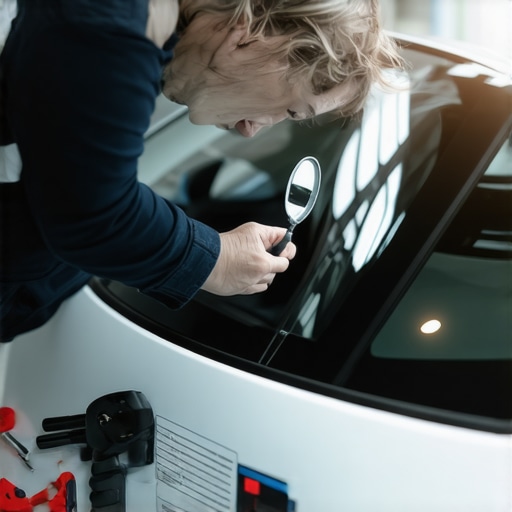
You are cruising down the highway, the speedometer needle hits sixty, and suddenly it starts: a high-pitched, tea-kettle whistle that seems to originate from the very air itself. It is a sound that cuts through radio music and conversation alike. As a master glazier with over two decades in the trade, I can tell you that this sound is not just an annoyance. It is a diagnostic siren. It tells me that the integrity of your glass-to-frame bond has been compromised. Whether we are talking about a high-performance fixed window in a coastal high-rise or the laminated safety glass in your daily driver, the physics of air infiltration remain the same. A whistle is the sound of air being forced through a microscopic void at high velocity, and it usually points back to a failure in the installation process.
The Condensation Crisis and the Ghost in the Glass
A homeowner called me in a panic because their new windows were ‘sweating’ and making an eerie whistling sound during the last windstorm. I walked in with my hygrometer and my thermal leak detector, and I showed them the reality of the situation. It wasn’t that the windows were inherently ‘bad’; it was that the previous installer had ignored the pressure differentials of the house. The humidity was sitting at 60%, and the air was screaming through a gap in the secondary seal that was no wider than a human hair. This is the same phenomenon that occurs when a mobile service technician rushes a windshield replacement. If the urethane bead is not continuous, or if the glass is not seated with the correct pressure against the pinchweld, you are essentially creating a flute. At sixty miles per hour, the air pressure on the exterior of the glass is significantly higher than the pressure inside the cabin. That air wants to find a way in, and it will find the smallest path of least resistance.
The Anatomy of the Whistle: Why Air Screams
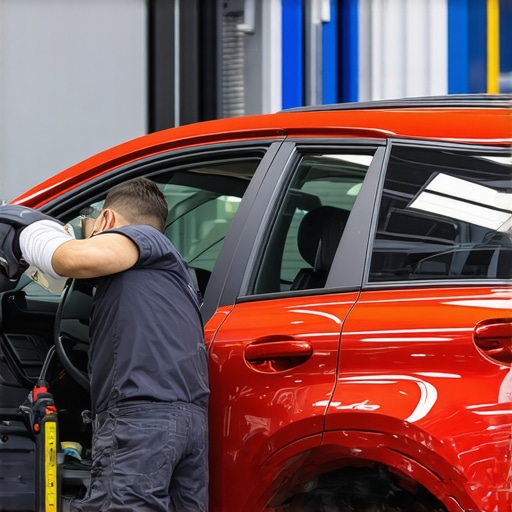
To understand why your glass is whistling, we have to look at the Rough Opening and the way the glass sits within it. In the world of residential glazing, we worry about the Sill Pan and Flashing Tape, but in the automotive world, the ‘seal’ is a structural bead of high-modulus urethane. When a glass installer provides same-day service, there is a temptation to rush the preparation phase. If the old adhesive isn’t trimmed to the correct height, or if the substrate is contaminated with oils, the new bead won’t bond. This creates a void.
“Installation is just as critical as the window performance itself. A high-performance window installed poorly will fail.” – AAMA Installation Masters Guide
When you hit highway speeds, the air hitting the front of your vehicle creates a stagnation point. This air must go somewhere. It flows over the hood and up the glass. If there is a chip near the edge of the glass, or a gap in the molding, the air becomes turbulent. This is where chip repair becomes critical. A small pit in the glass can disrupt the laminar flow of air, causing a localized pressure drop. If that pit is deep enough or near the seal, it can vibrate the Glazing Bead or the edge of the glass itself, producing that dreaded whistle. We call this ‘aeolian vibration,’ and it is the same principle that makes a reed in a saxophone vibrate. Without a professional mobile service tech who understands the importance of a clean, continuous bead, you’re just waiting for the wind to start playing your car like an instrument.
The Math of Modern Glazing: U-Factor and SHGC in Motion
While we often think of U-Factor and Solar Heat Gain Coefficient (SHGC) as metrics for stationary buildings, they matter for any glass surface that separates two environments. In a cold climate like Chicago or Minneapolis, the air inside your vehicle is warm and less dense. The air outside is cold and heavy. This creates a pressure gradient. If the Sash of an Operable window isn’t Shimmed correctly, or if your windshield isn’t perfectly centered, the thermal contraction of the materials can open up a gap. A professional must ensure the Rough Opening is clean and that any Muntin or trim is not creating a shelf for wind to catch.
“The air barrier must be continuous across the entire building envelope to prevent unintended energy loss and moisture intrusion.” – ASTM E2112 Standard Practice
Why Same-Day Chip Repair Prevents Long-Term Failure
Many people ignore a small stone chip, thinking it’s purely aesthetic. However, a chip is a structural weakness. In the glazing trade, we know that glass is strongest in compression and weakest in tension. When you drive at sixty miles per hour, the wind pressure puts the glass under stress. A chip acts as a stress concentrator. If air gets into that chip, it can begin to delaminate the polyvinyl butyral (PVB) layer that holds the two sheets of glass together. This is why same-day chip repair is so vital. By injecting a clear resin into the void, a technician restores the structural integrity of the glass and ensures that the air flows smoothly over the surface rather than getting ‘caught’ and creating noise. If you wait, the chip expands, the whistle starts, and eventually, the glass installer will be doing a full replacement rather than a simple fix.
Water Management: The Shingle Principle
One thing I always tell my apprentices is that water and air are cousins. If air can get in, water is right behind it. In a house, we use a Weep Hole to let moisture escape from the window track. In a car, we rely on the urethane bead to be a 100% airtight and watertight barrier. A whistle is often followed by a leak. If your mobile service tech didn’t use a Sill Pan equivalent (the cowl and drainage area of the car) correctly, or if they blocked the factory drainage paths with excess sealant, you’re going to have moldy carpets and a whistling dashboard. A professional glazier doesn’t just ‘caulk’ the problem; they manage the path of the fluid, whether it’s air or water. They check the Flashing Tape equivalents and ensure every Shim is placed so it doesn’t interfere with the seal.
The Verdict: Don’t Buy the Hype, Buy the Installation
At the end of the day, you can buy the most expensive, acoustic-rated, triple-pane-equivalent windshield on the market, but if the glass installer doesn’t understand the physics of the bond, it’s worthless. The whistle is a reminder that precision matters. It’s a reminder that a ‘quick fix’ often skips the crucial cleaning and priming steps that ensure a lifetime of silence. If your car is screaming at you, don’t just turn up the radio. Call a technician who knows the difference between a ‘caulk-and-walk’ job and a true glazing installation. Your ears, and your structural safety, will thank you.