How to check if your mobile tech actually used a primer
The Invisible Failure: Why Primer is the Most Critical Step in Glass Bonding
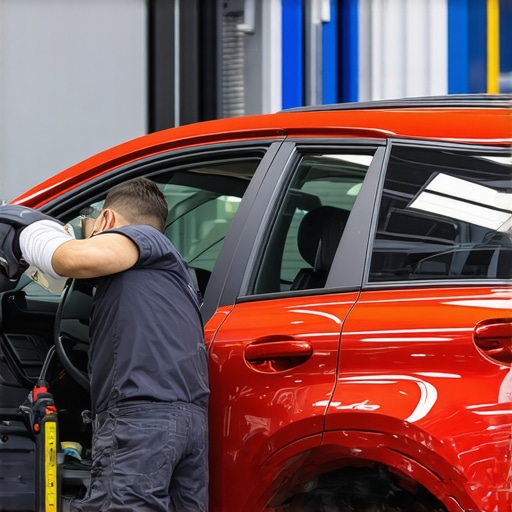
In my twenty-five years as a master glazier, I have seen every shortcut in the book. There is a specific kind of frustration that comes from inspecting a failed installation where the glass simply separates from the frame because a technician wanted to shave five minutes off a same-day service. When you hire a mobile service for a chip repair or a full glass replacement, you are often paying for the convenience of speed. However, speed is the natural enemy of proper chemical bonding. If you are wondering how to check if your mobile tech actually used a primer, you are already thinking like a professional. Most homeowners and vehicle owners assume that the black goo around the edge of the glass is all that matters. In reality, that urethane is only as good as the molecular bond created by the primer. Without it, you do not have a seal; you have a temporary plug that is destined to fail under the first sign of thermal stress.
The Condensation Crisis: A Lesson in Surface Tension
A homeowner called me in a panic because their new windows were ‘sweating’ and leaking air so loudly it sounded like a tea kettle. I walked in with my hygrometer and showed them the humidity was 60 percent, but the real issue was at the perimeter. I pulled back the trim and found that the glass installer had skipped the etching primer on the vinyl glazing bead. It was not the windows; it was the lack of preparation for the climate. In our northern environment, where the dew point fluctuates wildly in October, a lack of primer leads to immediate delamination. The ‘sweating’ they saw was actually external moisture being pulled through the micro-gaps where the sealant failed to bite into the substrate. This is why I am intolerant of the ‘caulk-and-walk’ installers who dominate the mobile service industry today. They rely on the initial tackiness of the adhesive to get them through the warranty period, but they ignore the physics of long-term adhesion.
“Installation is just as critical as the window performance itself. A high-performance window installed poorly will fail.” AAMA Installation Masters Guide
The Molecular Science of Glazing Zooming
To understand why you must verify the use of primer, we have to look at the chemistry of the glass itself. Glass is an inorganic, non-porous material. Most structural adhesives are organic polymers. These two materials do not naturally want to stay together. A high-quality primer acts as a silane coupling agent. Imagine it as a double-sided molecular bridge: one side of the molecule is designed to form a covalent bond with the silica in the glass, while the other side contains functional groups that cross-link with the isocyanates in the urethane adhesive. When a mobile tech skips this, they are essentially trying to glue two pieces of ice together with warm water. In a same-day mobile service, the technician is under pressure to move to the next job. They might use a ‘one-step’ glass cleaner and claim it has ‘built-in’ primers. While these exist, they are rarely sufficient for the high-wind loads and vibrations that glass must endure in a rough opening or a moving frame.
The Visual and Olfactory Audit
How do you verify the primer after the tech has packed up their tools? First, look for the ‘Black Band.’ Most professional-grade primers for glass are dyed black to provide UV protection for the urethane underneath. Urethane is highly sensitive to ultraviolet radiation; it will degrade and turn into a powdery substance if exposed to the sun. If you look at the edge of your glass and see only clear or gray adhesive without a distinct, matte-black border on the glass surface, the tech skipped the UV primer. Secondly, use your nose. Professional glass primers are heavy in VOCs (Volatile Organic Compounds) like methyl ethyl ketone or acetone. If the technician is working on a mobile service and you do not smell that sharp, chemical ‘bite’ within the first ten minutes of them prepping the glass, they are likely using a simple soap-and-water solution. This is a red flag. A real glass installer knows that the scent of primer is the scent of a job that will last twenty years.
The Climate Logic: Why the North Demands Perfection
In our cold northern climates, the U-factor is king, but it is useless if the seal is compromised. When the temperature drops to sub-zero, the materials in your window or windshield contract at different rates. The glass stays relatively stable, but the aluminum or vinyl frame will shrink significantly. This puts immense shear stress on the bond line. A primed surface can handle this movement because the chemical bond is stronger than the internal strength of the sealant itself. Without primer, the sealant will simply ‘peel’ away from the glass in a process called adhesive failure. We use warm-edge spacers and argon gas to keep the interior pane warm, but if that seal fails, your expensive gas fill escapes, and you are left with a foggy, useless piece of laminated glass. ASTM E2112 states that ‘Surface preparation is the single most important factor in the success of a sealant joint.’ If the tech did not scuff the frit and apply a dedicated primer, they have ignored the fundamental standards of our trade.
“The cleaning and priming of all sealant surfaces shall be completed in accordance with the sealant manufacturer’s written instructions before the application of the sealant.” ASTM E2112 Standard Practice
The Anatomy of a Proper Installation
When I perform an autopsy on a leaking window, I look for the ‘Shingle Principle.’ Water must always flow down and out. This starts with the sill pan and the weep holes. But in the context of mobile glass repair, the ‘shingle’ is the chemical layers. The glass is the base, the primer is the first layer, and the urethane is the top layer. If you see the tech reach for a can of spray-on glass cleaner and then immediately apply the bead of glue, stop them. A professional process involves: 1. Cleaning the rough opening and the glass with a lint-free wipe. 2. Applying a clear glass activator. 3. Applying the black ‘pinch-weld’ or glass primer with a dauber. 4. Waiting for the ‘flash-off’ time (usually 2 to 10 minutes) so the solvents can evaporate. If they skip the flash-off, the trapped solvents will create bubbles in the glue, leading to a ‘whistling’ window at high speeds or during windstorms.
Technical Terms Every Owner Should Know
To hold your mobile tech accountable, use the trade cant. Ask them about the ‘Rough Opening’ tolerances and how they plan to ‘Shim’ the glass if the frame is out of square. Even in a mobile auto glass context, the ‘Sash’ or the frame must be checked for corrosion. If they are installing a new ‘Glazing Bead,’ ensure it is seated properly against the primer line. If you see them ‘caulking’ over old dirt or old ‘Flashing Tape,’ you are looking at a future leak. A master glazier knows that the ‘Muntin’ bars or the ‘Operable’ parts of the window do not matter if the stationary seal is compromised. The ‘Sill Pan’ must be clear of debris, and the ‘Weep Holes’ must not be clogged by excess, unprimed sealant that has squeezed out of the joint.
Final Verdict: Don’t Buy the Hype, Watch the Prep
The ‘Same-Day’ promise is often a trap. True adhesion takes time. While the glass might stay in place for the drive home, the long-term integrity of the installation depends on those first five minutes of prep work. If you do not see a dauber, if you do not see a black bottle of primer, and if you do not smell the chemicals, you are not getting a professional glass installation. You are getting a ‘caulk-and-walk’ special that will leave you with water on your sill and mold in your walls. Demand the primer. Watch the flash-off. Ensure that your mobile service respects the science of glazing as much as they respect your schedule. “,”image”:{“imagePrompt”:”A close-up, high-detail photo of a professional glazier’s hand using a wool dauber to apply a thick, matte-black glass primer to the edge of a clean glass pane. The background shows a mobile service van and professional tools like a suction cup lifter and a tube of structural urethane. The lighting is bright, highlighting the contrast between the clear glass and the black primer.”,”imageTitle”:”Professional Application of Black Glass Primer”,”imageAlt”:”A master glazier applying black primer to a glass edge to ensure proper adhesion for a mobile service installation.”},”categoryId”:0,”postTime”:””}