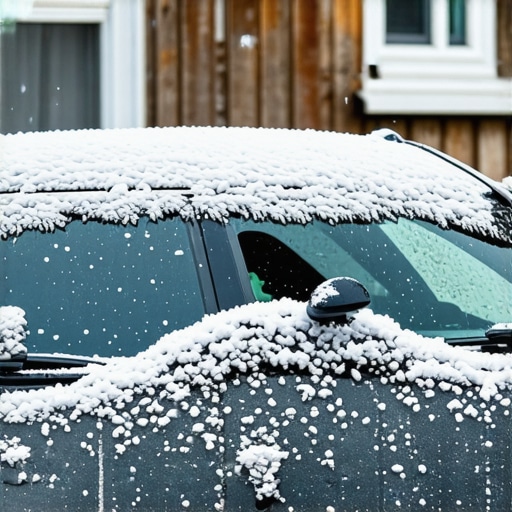
The secret to keeping your windshield clear in freezing weather
The Physics of Frost: Why Your Glass Fails Before the First Mile
A homeowner, or in this case a driver, called me in a panic because their new windshield was sweating on the interior every single morning. I walked out to the driveway with my hygrometer and a thermal imaging camera to show them that the humidity inside the cabin was hitting 65 percent while the glass temperature was well below the dew point. It was not a failure of the glass installer or a defective seal; it was their lifestyle choices. They were leaving a damp gym bag and a half-melted snow scraper on the floorboards, effectively turning the car into a terrarium. When that warm, moist air hits the cold surface of the laminated glass, the laws of physics dictate that condensation must occur. In my twenty-five years as a glazier, I have seen people blame the product when they should be looking at the psychrometrics of their environment.
Understanding the Thermal Bridge
When we talk about windows in a high-rise, we focus on the thermal break in the aluminum frame. In your vehicle, the glass is essentially a giant hole in the structural cage that is filled with a single, or at best, a dual-layer laminated sheet. The secret to keeping your windshield clear in freezing weather is not a magic spray or a cheap defroster; it is the management of the dew point. The glass acts as a thermal bridge, conducting the sub-zero exterior temperatures directly to the interior surface. Because the glass has a high U-Factor, it loses heat rapidly. To combat this, you must understand that the moisture in your breath and the melting snow on your boots are the primary enemies. Professional glass installer technicians know that the integrity of the seal is what keeps the cabin volume controlled, but the glass surface itself is where the battle against frost is won or lost.
“Installation is just as critical as the window performance itself. A high-performance window installed poorly will fail.” – AAMA Installation Masters Guide
The Winter Chip Crisis and Structural Integrity
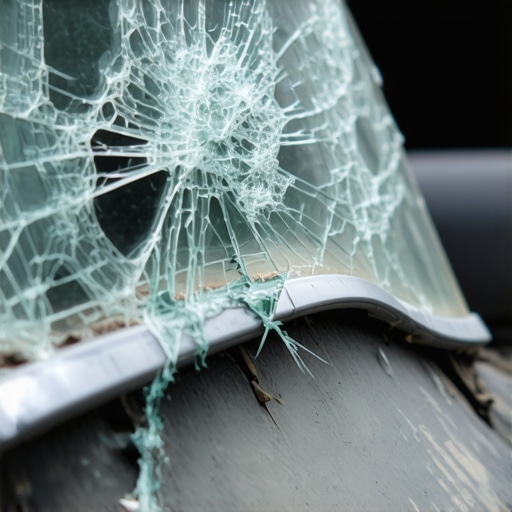
In the North, where temperatures regularly dip into the negatives, a tiny rock chip is not just a cosmetic blemish; it is a ticking time bomb. Every glazier knows that materials expand and contract at different rates. The laminated glass in your car consists of two layers of glass with a Polyvinyl Butyral (PVB) interlayer. When water gets into a chip and freezes, it expands. This expansion exerts thousands of pounds of pressure per square inch within the glazing bead area, leading to a massive crack. This is why same-day chip repair is vital. If you wait, the thermal shock of your defroster hitting that cold glass will finish what the rock started. I have seen countless windshields split right down the middle because the owner turned the heat to maximum on a frozen morning without first addressing a minor pit. A mobile service can often perform a resin injection on-site to stabilize the rough opening of the chip, but once it spreads, the structural integrity of the glass is compromised.
The Science of the Defrost Cycle
The glass installer must ensure that the urethane bead is perfectly uniform to prevent air pockets that can harbor moisture. If you are struggling with frost, your first step is to equalize the temperature. Most people make the mistake of using the recirculate button on their HVAC system. This is a disaster in winter. You are simply moving moist, humid air over a cold glass surface. You must pull in dry, outside air. Even though it is cold, it has much lower absolute humidity. As that air is heated, its capacity to hold moisture increases, allowing it to “sop up” the condensation on the glass like a dry sponge. We use similar logic when designing weep hole systems in commercial sash designs; you have to give the moisture a path to escape. In a car, that path is through the cabin pressure vents, driven by the fresh air intake.
“The selection and application of flashing and sealants are critical to the long-term weatherability of the window assembly.” – ASTM E2112 Standard Practice
Why Mobile Service Standards Matter
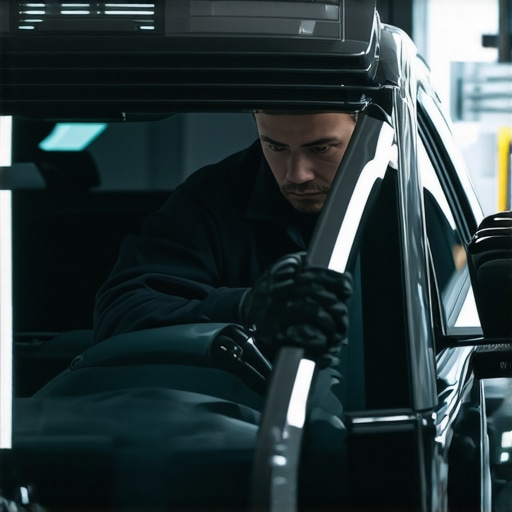
When you call for a mobile service in the dead of winter, a reputable glass installer will insist on specific environmental conditions. You cannot simply slap a windshield into a rough opening when the ambient temperature is below the chemical threshold for the adhesive. The urethane needs to reach a specific Shore A hardness to provide the structural support required during a rollover or airbag deployment. A “caulk-and-walk” installer will ignore the curing charts, but a master glazier knows that the sill pan logic applies here too: if the foundation is weak, the entire system fails. Same-day service is great, but it must be done in a heated garage or with specialized high-viscosity resins that can handle the cold. We do not use shim blocks on windshields; we rely on the consistency of the adhesive bead to maintain the gap between the glass and the pinchweld.
The Role of Coatings and Maintenance
Just as we use Low-E coatings on a muntin-filled house window to reflect long-wave infrared radiation, you can use hydrophobic treatments on your windshield. These coatings reduce the surface tension, making it harder for frost to grip the glass. However, no coating can overcome poor mechanical habits. If your operable side windows are sticking, it is often due to frozen glazing bead seals. Maintaining these with a silicone-based lubricant prevents the rubber from bonding to the glass in the ice. In the end, the secret to clarity is a combination of immediate chip repair, proper HVAC management, and ensuring that your glass installer followed every protocol to keep the rough opening sealed against the elements. Don’t let a small chip become a total replacement because you ignored the thermal dynamics of a Chicago winter.