Why your windshield looks wavy after a replacement
The Optical Illusion on Your Dashboard
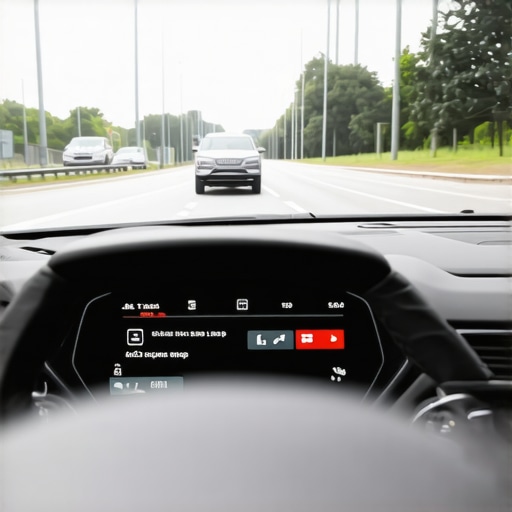
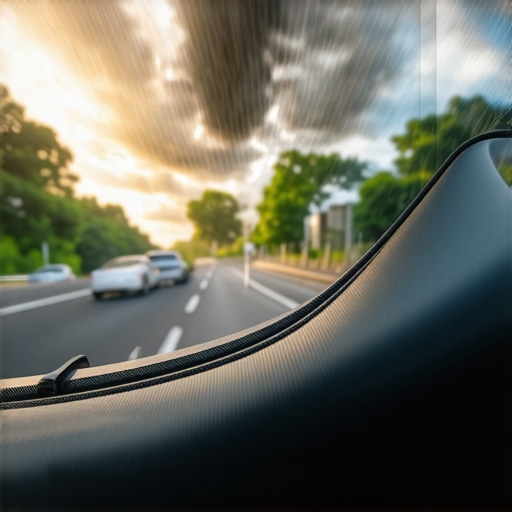
You just spent the afternoon waiting for a mobile service technician to finish a same-day glass replacement. You hand over the keys, hop into the driver seat, and look out at the road. Something is wrong. The yellow lines on the pavement seem to wiggle as you move your head. The horizon has a slight shimmer, almost like heat rising off asphalt, but it is forty degrees outside. You are experiencing what we in the industry call optical distortion. As a master glazier with over two decades of handling everything from skyscraper curtain walls to high-performance automotive laminates, I can tell you that a wavy windshield is not just a nuisance; it is a sign of a fundamental failure in either manufacturing or installation geometry.
A homeowner called me in a panic because their new windows were ‘sweating.’ I walked in with my hygrometer and showed them the humidity was 60%. It wasn’t the windows; it was their lifestyle. I bring this up because, much like home windows, the way glass behaves is dictated by the environment and the physics of the material. When you see waves in your windshield, you are seeing the result of light being refracted at inconsistent angles. This usually happens because the two layers of glass that make up your windshield are not perfectly parallel, or the PVB (Polyvinyl Butyral) interlayer has been stretched or compressed unevenly during the lamination process.
The Anatomy of the Automotive Sandwich
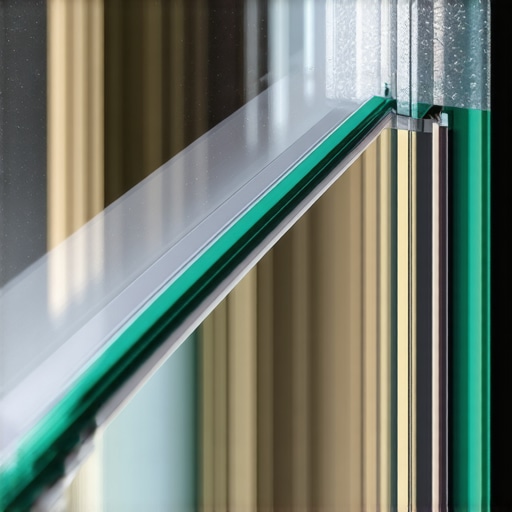
To understand the wave, you have to understand the glass installer trade. Unlike a standard house window that might be a single pane of tempered glass or a dual-pane IGU (Insulated Glass Unit), a windshield is a sandwich. It consists of two sheets of glass bonded together by a plastic interlayer. This is designed for safety, ensuring that if a rock hits the glass, the shards stay stuck to the plastic rather than flying into your face. However, this sandwiching process is where the ‘wavy’ quality often originates. If the float glass used by the manufacturer has thickness variations, or if the heat used to bend the glass to the shape of your car’s frame was not distributed evenly, the refractive index changes across the surface.
“Installation is just as critical as the window performance itself. A high-performance window installed poorly will fail.” – AAMA Installation Masters Guide
In the world of architectural glazing, we deal with the Rough Opening and Shim tolerances to ensure a window sits plumb and true. In your car, the pinch weld serves as the rough opening. If a mobile service technician applies the urethane bead unevenly, the glass can sit slightly twisted. This twisting puts stress on the laminate, causing a secondary type of distortion known as strain-induced birefringence. While usually invisible to the naked eye, this stress changes how light passes through the glass, leading to that nauseating ‘funhouse mirror’ effect.
The Science of Refraction and Lamination
Let’s talk about the physics. Every piece of glass has a refractive index, which is a measurement of how much it bends light. When the glass is perfectly flat and of uniform thickness, the light bends consistently. When you have a cheap aftermarket windshield, the manufacturing tolerances are much wider than OEM (Original Equipment Manufacturer) standards. A glass installer who prioritizes speed over precision might not notice that the replacement glass has a slight deviation in its curve. When that glass is forced into the frame and glued down, those deviations are magnified.
If you are in a cold climate like Minneapolis or Chicago, the thermal stress on a poorly manufactured windshield is even higher. In these regions, the U-Factor of the glass matters because the temperature differential between the heated interior and the freezing exterior can cause the glass to expand and contract. If the lamination is weak, this thermal movement can make the waves more prominent during the winter months. Conversely, in the hot South, the Solar Heat Gain (SHGC) becomes the primary enemy. High heat can cause the PVB interlayer to soften slightly, and if the glass was not properly annealed during production, the internal stresses will manifest as visual waves under the direct glare of the sun.
Why Same-Day Mobile Service Can Be a Double-Edged Sword
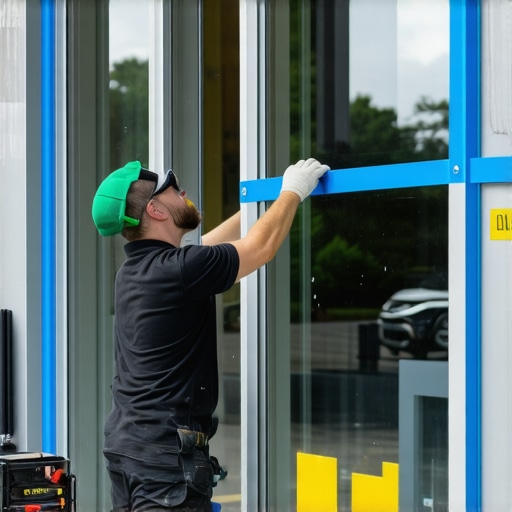
We all love the convenience of a mobile service. Having someone come to your office to perform a chip repair or a full replacement is a modern luxury. However, the environment of a parking lot is not a controlled glazing shop. Wind can blow dust into the urethane, and uneven pavement can cause the car’s frame to flex while the adhesive is curing. If the glass is set while the car is on an incline, the weight of the glass can shift, creating a thicker bead of urethane at the bottom than at the top. This tilt, even if it is only a few millimeters, alters the angle at which you view the road, creating distortion.
A proper install requires the technician to inspect the Sill Pan area of the car, which is the cowl where water drains. If the Weep Hole in the cowl is blocked, moisture can back up against the fresh urethane. Water is the enemy of a proper seal. As a glazier, I treat every windshield like a structural component of the building. It provides up to 60 percent of the structural integrity in a rollover accident. If the glass is wavy because it is under stress, that integrity is compromised.
“Proper glass selection and installation are paramount to the safety and thermal performance of any enclosure, whether mobile or stationary.” – NFRC Performance Standards
Evaluating Glass Quality: OEM vs. Aftermarket
Not all glass is created equal. When you get a quote for a replacement, you will often see a massive price gap between ‘Dealer Glass’ and ‘Aftermarket Glass.’ The reason for the waves is often found here. OEM glass is manufactured to the exact specifications of the vehicle manufacturer, with tight controls on the Glazing Bead and edge profile. Aftermarket glass is reverse-engineered. If the mold used to create that aftermarket glass is off by even a fraction of a degree, the entire Sash area of the windshield will have optical deviations.
When I examine a wavy windshield, I look at the Muntin lines of the world through the glass. If you look at a brick wall through your windshield and the mortar lines look like they are swimming, the glass has failed the ASTM standards for optical clarity. This is often the result of the glass being ‘pulled’ too fast during the float process at the factory. In a high-quality glass plant, the molten glass is allowed to settle on a bed of molten tin to ensure it is perfectly flat. If the line is sped up to increase profits, the glass thickness becomes variable.
The Role of Chip Repair in Visual Integrity
Sometimes the wave isn’t in the glass itself but in the chip repair. When a technician injects resin into a crack, they are trying to match the refractive index of the glass. If the resin is of low quality or if it is not cured properly with the correct UV wavelength, the repair site will look like a glob of oil in water. This creates a localized distortion that can be incredibly distracting. A master glass installer knows that a repair is about more than just stopping a crack; it is about restoring the clear path of light.
In architectural terms, we wouldn’t leave a Flashing Tape visible or a Rough Opening exposed. We ensure the transition from the wall to the glass is clean. In a car, the transition from the pinch weld to the glass must be equally clean. If there is leftover old urethane or if the technician didn’t use a primer, the glass won’t sit flush. This creates an aerodynamic whistle and, you guessed it, more optical distortion because the glass is vibrating at high speeds.
How to Test Your New Windshield
If you suspect your new glass is wavy, there is a simple test. Park the car in front of a grid-like structure, such as a chain-link fence or a brick building. Sit in the driver’s seat and move your head slowly from left to right and up and down. If the lines of the fence or the bricks appear to bend or ‘jump’ as they pass through certain areas of the glass, you have a defective windshield. This is a legitimate warranty claim. Do not let a salesman tell you that it will ‘settle’ over time. Glass is a solid; it does not settle or un-distort once the lamination process is complete.
Water management is a science, and so is light management. Whether it is an operable window in a bedroom or a windshield in a sedan, the glass should be an invisible barrier. If you can ‘see’ the glass, it isn’t doing its job. You should demand a replacement from your glass installer if the distortion is in your primary field of vision. Driving with optical distortion is like wearing someone else’s prescription glasses; it causes eye strain, headaches, and reduces your reaction time.
Final Thoughts from the Glazing Bench
The next time you need a windshield, remember that the lowest price often comes at the cost of your visual comfort. Speed and mobile convenience are great, but they should not override the physics of a proper installation. Ensure your installer is using high-quality glass, check that they are cleaning the pinch weld down to the metal, and don’t be afraid to inspect the glass before it is even glued into the car. A true professional glazier will understand your concerns because they know that in our trade, the difference between a perfect job and a failure is measured in microns. Keep your eyes on the road, and make sure that road actually looks like it’s supposed to.
{“@context”: “https://schema.org”, “@type”: “HowTo”, “name”: “How to Inspect a New Windshield for Optical Distortion”, “step”: [{“@type”: “HowToStep”, “text”: “Park your vehicle approximately 10 to 15 feet away from a structured background like a brick wall or a fence.”}, {“@type”: “HowToStep”, “text”: “Sit in the driver’s seat in your normal driving position.”}, {“@type”: “HowToStep”, “text”: “Slowly move your head from side to side while focusing on a single horizontal line in the background.”}, {“@type”: “HowToStep”, “text”: “Repeat the movement vertically, looking for any ‘shimmer’ or ‘waves’ in the background lines.”}, {“@type”: “HowToStep”, “text”: “If lines appear to bend or shift significantly, document the area and contact your glass installer for a warranty inspection.”}]}