The best way to clean a fresh glass repair
The Chemistry of Clarity After a Mobile Glass Repair
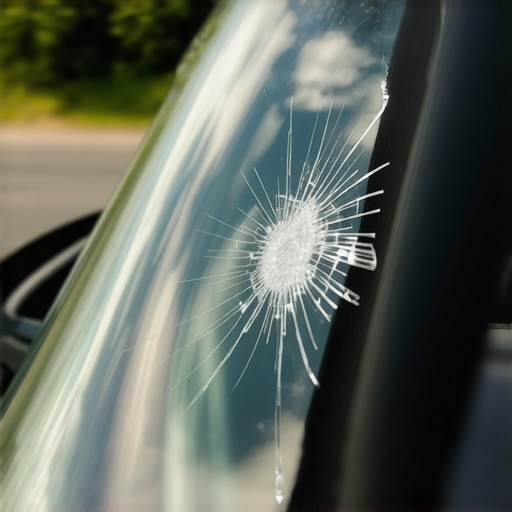
When a mobile service technician finishes a chip repair on your windshield or a thermal pane, the job is not truly done until the resin has achieved its final molecular state. Most homeowners and drivers assume that once the technician packs up their kit, the glass is ready for a standard scrub down. This is where the disaster starts. As a glazier with over two decades in the field, I have seen hundreds of perfectly executed repairs ruined by a well-meaning person with a bottle of ammonia based cleaner and a paper towel. A fresh glass repair is a delicate chemical site. We are talking about UV-cured resins that must match the refractive index of the surrounding glass precisely. If you introduce harsh solvents or mechanical pressure too early, you risk clouding the resin or, worse, delaminating the bond from the edges of the chip.
“Installation and subsequent maintenance are just as critical as the window performance itself. A high-performance window or glass repair that is handled poorly in the first twenty-four hours will fail to meet its engineering specifications.” – AAMA Installation Masters Guide
A few years ago, I received a call from a client in a panic because their new chip repair had turned a milky, opaque white overnight. I arrived with my hygrometer and a thermal camera, suspecting the usual suspects. I walked in and saw the humidity was sitting at nearly 70 percent because of a nearby humidifier. The homeowner had sprayed a heavy-duty degreaser on the glass just sixty minutes after the mobile service van left. The resin had not fully cross-linked. It was not a failure of the glass installer; it was a total breakdown of the post-repair protocol. This is why understanding the science of your glass is non-negotiable.
The Thermal Dynamics of Mobile Glass Services
In hot southern climates like Phoenix or Miami, the Solar Heat Gain Coefficient (SHGC) becomes your primary antagonist during a repair. When a mobile service unit arrives at your location, the glass surface temperature can easily exceed 140 degrees Fahrenheit. Glass expands when it is hot. If a technician injects resin into a hot, expanded chip and you immediately blast it with cold glass cleaner or water, you are inviting a thermal shock crack. The goal of a professional glass installer is to manage the temperature within the Rough Opening of the frame or the structural perimeter of the windshield. We look for a state of equilibrium. If you are in a high-heat zone, the Low-E coating on Surface #2 is working overtime to reflect that long-wave infrared radiation. Spraying liquid on that hot surface creates a localized temperature drop that can cause the glass to contract violently around the repair site. You must wait for the glass to reach ambient temperature before any cleaning happens.
The Anatomy of the Perfect Clean
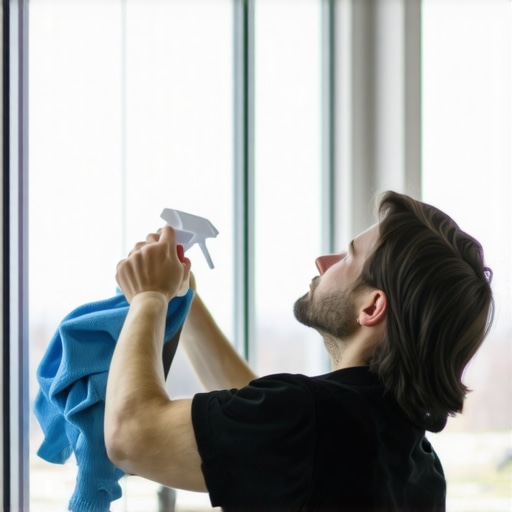
To clean a fresh repair without compromising the structural integrity of the Sash or the clarity of the resin, you need to understand the toolset. Forget the blue liquid you buy at the grocery store. Most of those contain ammonia, which is a sworn enemy of the polymers used in modern chip repair. Ammonia can seep into the microscopic margins between the glass and the resin, causing the repair to lift. Instead, we use deionized water or a specialized denatured alcohol solution at a 50/50 ratio. This provides the necessary solvency to remove oils without attacking the resin bond. You also need to consider the mechanical pressure. When you are wiping over a fresh repair, you are effectively applying pressure to a Shim-like structure of hardened plastic. Use a high-gsm microfiber towel. The tiny loops in the microfiber lift the dirt away from the surface rather than grinding it into the repair site.
“Standard practice for the installation and maintenance of exterior windows dictates that no abrasive materials or caustic chemicals shall be used on the glazing surface, as these can permanently alter the thermal and structural properties of the unit.” – ASTM E2112 Standard Practice
The Two-Cloth Method and Glazing Bead Integrity
Precision cleaning follows a strict hierarchy. First, you must inspect the Glazing Bead or the perimeter seal. If the mobile service involved a full glass replacement, the urethane or silicone seals are still off-gassing. If you use a cleaner that contains silicone oils, you might prevent the primary seal from ever reaching a full cure. The two-cloth method is the industry standard: one cloth for the initial application of the alcohol solution and a second, dry microfiber for the buffing stage. You should never spray the cleaner directly onto the glass. Spray it onto the cloth first. This prevents the liquid from running down into the weep holes or the bottom of the sash where it can sit and cause internal rot or seal failure over time. We are managing water, and as any master glazier will tell you, water is the only thing that wins against a building if given enough time.
Why Same-Day Service Requires Next-Day Patience
We live in a world of same-day results, but chemistry has its own timeline. When a glass installer completes a chip repair, they use a UV lamp to initiate the curing process. While the surface might feel hard to the touch, the internal structure of the resin is still stabilizing. The refractive index, which determines how invisible the repair is, can shift slightly over the first twelve hours. If you subject the glass to the mechanical stress of a car wash or a heavy hand-scrubbing, you are disrupting that stabilization. I always tell my clients to wait twenty-four hours before they even think about a thorough cleaning. You want that resin to be as stable as the muntin bars on a historic window before you apply any force. In high-performance glazing, the numbers matter. Whether it is the U-factor of the entire assembly or the SHGC of a single pane, every action you take post-repair affects those metrics. Don’t buy into the high-pressure sales pitch that says you can treat repaired glass like a diamond the second the tech leaves. Treat it like a surgical site. Clean it with precision, use the right chemistry, and respect the thermal limits of the material. That is the only way to ensure your vision remains unobstructed and your glass remains structurally sound for the long haul.