The best way to protect your phone screen from scratches
The Molecular Reality of Glass Surface Integrity
In my twenty five years as a master glazier, I have handled everything from fragile 18th-century restoration glass to the heavy laminated lites used in modern skyscrapers. People often view glass as an impenetrable, static solid, but to a professional glass installer, it is a dynamic material with a porous surface that reacts to its environment. Whether you are dealing with a handheld device or a massive storefront window, the physics of protection remains the same. A scratch is not just a cosmetic flaw; it is a localized failure of the material surface tension that can lead to a catastrophic fracture. When we talk about chip repair or surface protection, we are actually discussing the management of structural integrity. A mobile service specialist knows that once a surface is breached, moisture and thermal stress begin a relentless campaign to expand that microscopic fissure.
A homeowner called me in a panic because their new windows were sweating and showing what looked like permanent scratches. I walked in with my hygrometer and showed them the humidity was 60 percent. It was not a defect in the glass or a scratch from the factory; it was their lifestyle causing condensation that was trapping abrasive particulates against the surface. Those particulates, when wiped away, were acting like industrial diamonds, etching the glass. This is the same principle that ruins a phone screen. Without a sacrificial layer, you are allowing environmental grit to engage directly with the silica structure. If the humidity is not managed, or if the surface is not shielded, the glass is destined for failure.
“Installation is just as critical as the window performance itself. A high-performance window installed poorly will fail.” AAMA Installation Masters Guide
The Science of Surface Hardness and Ion Exchange
To understand how to protect glass, you must understand how it is made. Most modern high-durability glass, especially in the mobile tech sector, undergoes a process called ion exchange. The glass is submerged in a molten potassium salt bath. The smaller sodium ions leave the glass, and larger potassium ions take their place. This creates a state of high compression on the surface. However, a master glass installer knows that this compression is only a few microns thick. When you get a chip, you have punctured that compressive layer. This is why same-day chip repair is vital. A professional will use a vacuum-sealed injector to force a high-index resin into the break, mimicking the refractive index of the glass and restoring the structural tension before a thermal cycle causes the crack to run.
Coastal Context: Protection Against Corrosion and Impact
In coastal environments, the enemy is not just physical impact but chemical corrosion. Salt air is brutal on glass surfaces. If you are near the ocean, your glass needs a sacrificial coating or a specialized glazing bead that prevents salt-laden water from sitting against the edge of the glass. In these regions, we prioritize impact-rated glass, often using a missile level D rating. This involves a laminated interlayer that holds the glass together even if the outer lite is shattered. For a mobile device or a window, the same logic applies: you want a protection layer that can absorb the positive and negative wind pressures or the kinetic energy of a drop. We look for materials with a high Mohs hardness rating, but more importantly, we look for coatings that are oleophobic and hydrophobic to prevent the chemical etching that leads to deep-seated scratches.
“The thermal performance and structural durability of a glazing system are heavily dependent on the maintenance of the surface coatings.” NFRC Performance Standards
Why Mobile Service and Professional Installation Matter
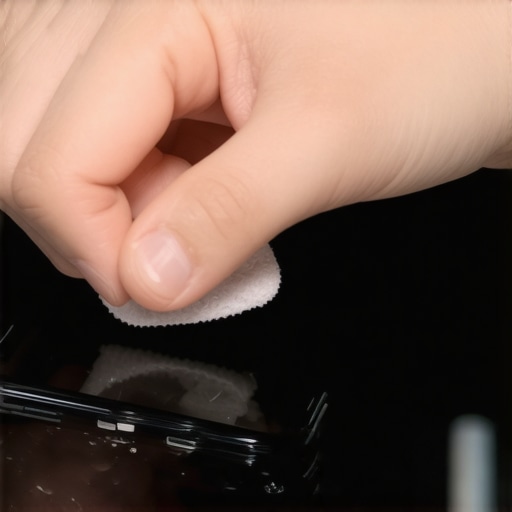
I have seen far too many people try a DIY fix for a chipped window or a scratched screen, only to ruin the entire unit. A professional glass installer uses specific tools to ensure the rough opening is clear and the glass is seated on proper shims. In the world of mobile repair, this means ensuring that no dust is trapped under the protector. If a single grain of silica is trapped, it acts as a pressure point. When the glass expands or contracts due to temperature changes, that grain of sand will eventually force a crack. In a window, if the sill pan is not correctly sloped or if the weep hole is clogged, water will back up and rot the sash. Whether it is a phone or a window, the details of the install are what determine the lifespan of the glass.
Maintenance and Long Term Care
The best way to protect your glass is through a combination of sacrificial barriers and proper cleaning protocols. Never use abrasive cleaners or dry cloths on a glass surface. You are essentially sanding the glass. Use a dedicated glass cleaner and a microfiber cloth to lift particulates away from the surface. For windows, ensure that the flashing tape and drip caps are intact to prevent water from reaching the internal glazing pocket. For handheld glass, a tempered glass protector is the only real defense because it is designed to fail so that the primary substrate does not. It takes the hit, the energy dissipates through the protector, and your expensive ion-exchanged glass remains pristine. Do not wait for a small scratch to become a spiderweb. If you see a chip, call for a mobile service immediately. A same-day repair can save you the cost of a full replacement, which, as any glazier will tell you, is a labor-intensive process involving the removal of the glazing bead, the sash, and sometimes the entire frame.