Why your windshield whistles when you hit sixty miles per hour
The Physics of the High-Speed Flute
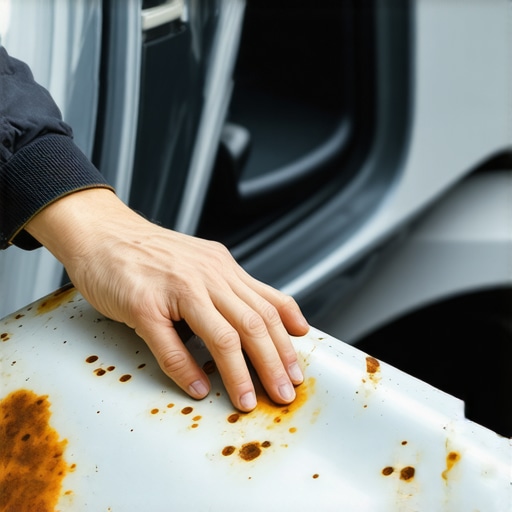
When you are cruising at sixty miles per hour, your vehicle is not just moving through space; it is displacing a massive volume of air. This creates a high-pressure zone on the exterior of the glass while the interior remains a relatively stable environment. If there is even a microscopic breach in the seal, you have created a Helmholtz resonator. I once pulled a windshield out of a late-model SUV in Chicago and found the pinchweld bubbling with rust because the previous installer used a screwdriver to scrape the old urethane and failed to apply a proper primer to the bare metal. That tiny gap, invisible to the eye, was the source of a whistle that drove the owner nearly mad. This is not just a nuisance; it is a failure of the structural integrity of your vehicle’s glazing system. A window is a hole in your car that needs to be managed for pressure, moisture, and safety.
The Installation Autopsy: Where the Seal Fails
In my twenty-five years as a glass installer, I have seen every shortcut in the book. The most common culprit for that high-pitched whistle is a skip in the urethane bead. When a technician is rushing through a mobile service, they might move the caulking gun too fast, leaving a thin spot in the sealant. This is what I call a caulk and walk job. To understand why this happens, we have to look at the rough opening of the vehicle frame. Unlike a house where you might shim a wood sash into place, automotive glass relies entirely on the chemical bond between the glass, the primer, and the polyurethane. If the technician does not maintain a consistent glazing bead height, the glass will not seat properly against the pinchweld.
“Installation is just as critical as the window performance itself. A high-performance window installed poorly will fail.” – AAMA Installation Masters Guide
The shingle principle applies here just as much as it does on a roof. Water and air must be directed away from the interior. If the urethane bead is not continuous, air is forced through the gap by the vacuum effect created at high speeds. This is why you only hear it at sixty miles per hour and not at twenty. The pressure differential is not yet high enough to force air through the microscopic labyrinth of a failed seal. If you have a chip, even a small one, it can disrupt the laminar flow of air over the glass surface, leading to turbulence that manifests as noise. Proper chip repair involves injecting a resin with a refractive index identical to glass, but it also serves to restore the smooth surface necessary for aerodynamic silence.
The Material Science of Modern Glazing
We need to talk about the U-Factor of your glass, though in the automotive world, we focus heavily on the PVB interlayer. Most modern windshields are a sandwich of two layers of glass with a polyvinyl butyral layer in the middle. This interlayer is designed for impact resistance, but high-end acoustic glass uses a specialized, thicker interlayer to dampen sound frequencies. If your replacement glass is a cheap knock-off, it might lack the density to block wind noise, regardless of how well it is sealed. The NFRC provides a basis for understanding how glass handles energy, and while they focus on buildings, the logic of the Solar Heat Gain Coefficient remains vital for vehicle comfort. A high SHGC means your car becomes an oven in the summer, forcing your A/C to work harder, which in turn increases the pressure differential between the cabin and the exterior, potentially exacerbating that whistle.
“The integrity of the perimeter seal is the primary defense against environmental infiltration.” – ASTM E2112 Standard Practice
The Reality of Same-Day Mobile Service
Everyone wants same-day service, but physics dictates a specific timeline. High-viscosity urethane has a Safe Drive Away Time that must be respected. When we perform a mobile service, we are at the mercy of the ambient temperature and humidity. In cold northern climates, the chemical reaction that cures the sealant slows down significantly. If you drive the car too soon, the pressure of closing the door can actually pop the seal, creating a permanent air leak that will whistle for the rest of the glass’s life. This is why a professional glass installer will always check the dew point and humidity before beginning a job. We aren’t just being difficult; we are ensuring the molecular bond between the glass and the car is absolute.
Technical Diagnosis: Finding the Breach
If your windshield is whistling, we use a few old-school glazier tricks to find the source. We might use a high-pressure air hose around the exterior molding while an assistant inside uses a soap solution. When bubbles form, we have found our gap. Often, it is not the glass itself but the plastic cowl or the A-pillar trim that has come loose. These components are designed to manage air flow. If a clip is broken, the trim will vibrate or allow air to get underneath the glass edge. We check the weep holes in the bottom of the frame to ensure moisture is draining correctly and not backing up into the cabin. Every component, from the muntin-like spacers in some specialty glass to the flashing tape used in temporary repairs, plays a role in the acoustic signature of your vehicle. Do not settle for a quick fix that ignores the science of glazing. You need a seal that can withstand the positive and negative wind pressures of highway speeds without failing.