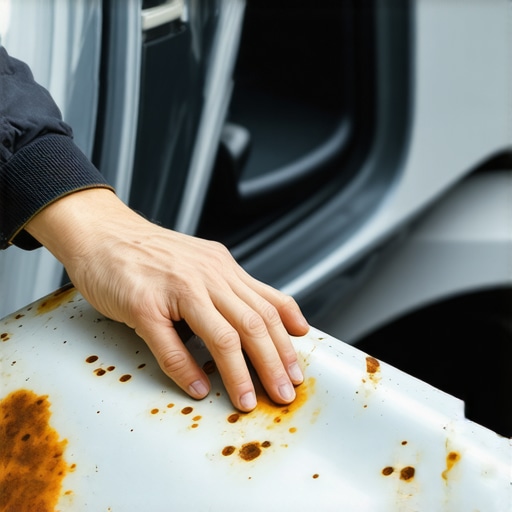
Why auto glass techs check for rust before installing
The Hidden Structural Integrity of Your Glass Frame
When you call for a mobile service to handle a cracked windshield, you likely expect a same-day turnaround that gets you back on the road by lunch. However, a master glass installer knows that the glass is only as strong as the metal it sits upon. In my twenty-five years of glazing, I have seen far too many ‘caulk-and-walk’ technicians ignore the foundation of the vehicle: the pinchweld. If there is oxidation present, no amount of high-grade urethane will create a safe bond. This is not just about a leak; it is about the structural integrity of the vehicle’s roof and the proper deployment of airbags.
The Installation Autopsy: A Lesson in Oxidation
I once pulled a cracked windshield out of a high-mileage sedan in a coastal city where the salt air is a constant enemy. As soon as the wire cut through the old seal, chunks of the metal frame literally crumbled onto the dashboard. The previous installer had clearly seen the beginning of this corrosion but chose to hide it under a thick bead of sealant instead of treating the metal. The header was significantly compromised. This is what we call a failure of the ‘shingle principle’ in the glazing world. Just as water must flow down and away from a rough opening in a home, a vehicle’s pinchweld must be pristine to prevent moisture from trapped behind the glass. If that metal is ‘black with rot,’ the urethane will bond to the rust, and the rust will simply peel away from the car during a collision. I had to tell that homeowner their same-day repair was now a three-day body shop restoration. They were lucky they hadn’t been in a rollover accident, as the windshield provides up to 60 percent of the roof’s structural support in such events.
“Installation is just as critical as the glass performance itself. A high-performance glass system installed poorly or on a compromised substrate will fail to meet safety and environmental standards.” – AAMA Installation Masters Guide
The Science of the Bond: Why Rust Kills Adhesion
To understand why we check for rust, we must Glaze Zoom into the molecular level of the adhesive process. Modern glass installer protocols require the use of high-viscosity urethane that cures to a specific PSI. This urethane is designed to bond to two things: the ceramic frit on the glass and the primed metal of the vehicle frame. When oxygen and moisture penetrate the paint layer on the pinchweld, they create iron oxide. Iron oxide is structurally unstable. If I apply a chip repair or a full replacement over this, the urethane is essentially sticking to a pile of dust. We look for ‘scratches to the metal’ that often occur during the removal process of the old glass. Even a tiny scratch, if not treated with a specialized primer, becomes the entry point for corrosion. In colder climates where road salt is prevalent, this oxidation accelerates, leading to ‘fretting’ where the glass actually begins to vibrate against the frame, further destroying the seal.
Technical Decoding: U-Factor and Thermal Stress in Auto Glass
While we often discuss U-Factor and Solar Heat Gain (SHGC) in residential sash and muntin configurations, these physics apply to your vehicle as well. In a cold climate like Chicago or Minneapolis, the temperature differential between the heated interior and the frozen exterior creates massive thermal stress on the glass edges. If the pinchweld is rusted, it creates uneven pressure points. A glass installer using a shim or proper setting blocks ensures the glass is centered, but rust creates a jagged, uneven surface. This unevenness is often the hidden culprit behind why a small rock chip suddenly spiders across the entire surface on a cold morning. The chip repair becomes impossible because the glass is already under too much tension from the failing frame.
The Mobile Service Reality Check
Many customers push for mobile service because of convenience, but there are limitations. If a technician arrives and finds ‘stage three’ corrosion—meaning the rust has caused pitting in the metal—a same-day field repair is often no longer a safe option. We have to mechanicalize the surface, sanding it down to bare shiny metal, and then apply a zinc-rich primer to stop the oxidation. If the pitting is deep, we are looking at a structural failure.
“Any compromise in the substrate material, including oxidation or structural decay, renders the standard installation protocols for fenestration products void.” – ASTM E2112 Standard Practice
This is why a glass installer must be more than just a laborer; they must be a materials scientist. We are managing the dew point within that tiny gap between the glass and the metal. If we trap moisture in there, we are essentially building a rust-factory that will eat your car from the inside out.
The Role of Weep Holes and Water Management
In residential glazing, we rely on weep holes in the sill pan to allow moisture to escape. In a car, the water management system relies on a perfect, unbroken seal of urethane. If there is rust, the water will find a path. It will travel down the A-pillar and soak into your carpet, often leading to mold and electronic failures before you even realize the glass is leaking. When we perform a chip repair, we are also checking the integrity of the surrounding glazing bead (the rubber molding) to ensure it isn’t channeling water into a rusted pocket. Professionalism means refusing to install glass on a dirty or rusted frame, regardless of the customer’s timeline. Safety is a non-negotiable metric.