Why your phone screen is tinted yellow or blue
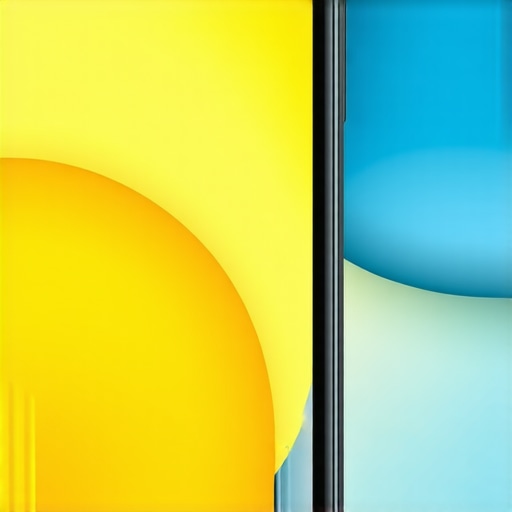
When you notice your phone screen shifting to a warm yellow in the evening or a cool blue in the bright afternoon sun, you are witnessing the same optical physics that govern high-performance architectural glass. As a master glazier with a quarter-century in the field, I see the world through the lens of spectral selectivity. Whether it is a smartphone display or a triple-pane window in a high-rise, the management of the electromagnetic spectrum is a calculated science of comfort and durability. The tint you see is not a defect; it is a filter designed to manipulate light and heat energy.
The Technical Takedown of the High-Pressure Pitch
I recall sitting in a kitchen in a sun-drenched suburb across from a high-pressure salesman I like to call a ‘Volume Peddler.’ He was trying to convince a retired couple to install a specific brand of windows that had a heavy, dark green tint, claiming it was the only way to keep their house cool. I had to step in and explain that they were essentially being sold sunglasses for their house without being told how it would ruin their Color Rendering Index (CRI). I showed them that by selecting a spectrally selective Low-E coating on Surface #2, we could achieve the same Solar Heat Gain Coefficient (SHGC) without making their living room look like a submerged aquarium. Most installers just want to move units; they do not understand that the ‘yellow’ or ‘blue’ shift in glass impacts how every piece of furniture and art in your home is perceived. It is about balancing the Visible Transmittance (VT) with the thermal demands of the local climate.
The Physics of the Tint: Visible Light vs. Infrared
Why does your phone turn yellow? It is a software-driven filter reducing blue light (short wavelength) to prevent eye strain and circadian rhythm disruption. In the glass world, we do this with physical layers of metal oxides. A standard piece of clear float glass has a slight green tint due to iron content. When we apply a ‘Soft Coat’ or Magnetron Sputter Vacuum Deposition (MSVD) layer, we are adding atoms of silver and zinc oxide to the glass surface. These layers are engineered to be ‘transparent’ to visible light but ‘reflective’ to long-wave infrared radiation. In a hot climate, we want that coating on Surface #2 (the inner face of the outer pane). This reflects the heat back toward the street before it can even cross the air gap. If the glass looks blue or purple, the manufacturer has likely tuned the coating to block a higher percentage of the solar spectrum, often at the cost of VT.
“Installation is just as critical as the window performance itself. A high-performance window installed poorly will fail.” – AAMA Installation Masters Guide
The Critical Nature of Chip Repair and Glass Integrity
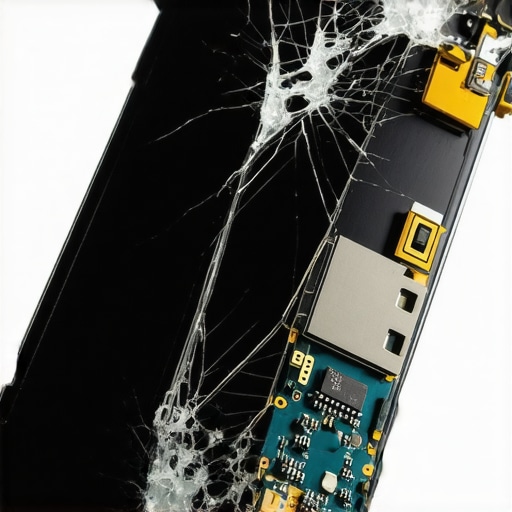
Whether it is a phone screen or a storefront window, a chip is a ticking time bomb. In my years of mobile service, I have seen ‘tiny’ chips turn into structural failures because of thermal stress. When glass is tinted or coated, it absorbs more heat than clear glass. This leads to higher rates of expansion and contraction. A chip creates a stress concentration point. In a same-day glass installer scenario, we use high-viscosity resins to bridge that gap. The resin must match the refractive index of the glass perfectly, or you will see a ‘scar’ where the light bends differently. This is why mobile service for chip repair is not just about aesthetics; it is about preventing the ‘run’ that occurs when the sun hits that tinted surface and the temperature differential between the center of the pane and the edge (hidden by the glazing bead) exceeds the glass’s breaking strength.
The Role of the Glazing Bead and Proper Shimming
A window is a system, not a product. When I perform an installation, I am looking at the Rough Opening with a jeweler’s eye. If you do not shim the frame correctly, the sash will not sit square. If the sash is not square, the weatherstripping will not compress. If the weatherstripping does not compress, that expensive Low-E glass is worthless because you have air infiltration. We use a Sill Pan to ensure that any moisture that bypasses the primary seals is directed back out through the weep holes. Many ‘caulk-and-walk’ installers will actually plug the weep holes with silicone because they do not understand their function, leading to rotted sills and mold growth inside the wall cavity.
“The specifier shall ensure that the glazing system is designed to accommodate the expected thermal expansion and contraction of the glass without inducing excessive stress.” – ASTM E2112 Standard Practice
Choosing Your Tint: The Climate Logic
In the southern regions where the sun is the primary enemy, we prioritize a low SHGC. This often results in a slightly ‘cooler’ or blue-tinted glass. This is the Surface #2 logic. We are blocking the heat before it enters the building. However, if you are in a northern climate, you might want a higher SHGC to allow for passive solar heating in the winter, which requires a different coating on Surface #3. This reflects the heat generated inside your home back into the room. This is where you might notice a ‘warmer’ or slightly yellow tint. Understanding this difference is the mark of a true professional. Don’t let a salesman tell you that one window works for every ZIP code. The orientation of your house, the depth of your overhangs, and even the altitude of your property dictate the specific glazing makeup you need.
Same-Day Service and the Mobile Installer’s Reality
When you call for a mobile service for a broken pane or a chipped screen, you are paying for the technician’s ability to manage environment variables on the fly. During a same-day repair, we have to account for the ‘Dew Point.’ If we seal a double-pane unit in high humidity without proper desiccant in the spacer bar, you will have internal condensation (fogging) by the first cold snap. We use warm-edge spacers to break the thermal bridge between the glass and the frame, which is where 90% of condensation issues begin. A master glass installer knows that the ‘tint’ is only the most visible part of a very complex thermal engine. Whether it is the yellow shift on your phone or the blue hue of your new hurricane-rated windows, that color is the fingerprint of performance technology at work. Don’t ignore it, and certainly don’t let an amateur install it.