Why your mobile tech won’t replace glass in a thunderstorm
The Frustration of the Forecast
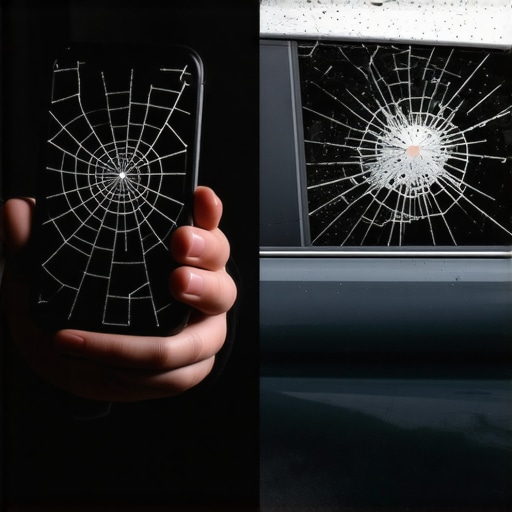
You are sitting in your driveway, staring at a spiderweb crack in your windshield or a shattered residential sash, and the clouds begin to bruise. You call for a mobile service, hoping for that same-day chip repair or full glass replacement you were promised. Then comes the call from the glass installer: ‘We have to reschedule.’ To the uninitiated, this feels like a convenience excuse. To a Master Glazier with 25 years on the line, it is a matter of structural integrity and chemical physics. A window is not merely a transparent barrier; it is a technical assembly that relies on precise environmental conditions to function as a life-safety component of your vehicle or home.
The Narrative: A Lesson in Invisible Failures
I remember a call from a homeowner in a humid coastal district during a week of relentless afternoon squalls. They had a shattered operable casement window and insisted on a same-day mobile replacement. I walked in with my hygrometer and showed them that the relative humidity was hovering at 85 percent even before the first raindrop hit. It was not just about the rain; it was about the moisture load in the air. I explained that if I applied the sealant in those conditions, the moisture would trapped behind the glazing bead. Three months later, their neighbor, who had used a ‘caulk-and-walk’ contractor during a light drizzle, was dealing with a sash that had completely delaminated. The moisture had interfered with the primer’s ability to ‘bite’ into the substrate, creating a microscopic layer of water that prevented a true chemical bond. Their window looked fine from the curb, but it was a structural failure waiting for the first high-wind event.
“Installation is just as critical as the window performance itself. A high-performance window installed poorly will fail.” AAMA Installation Masters Guide
The Chemistry of Adhesion vs. The Thunderstorm
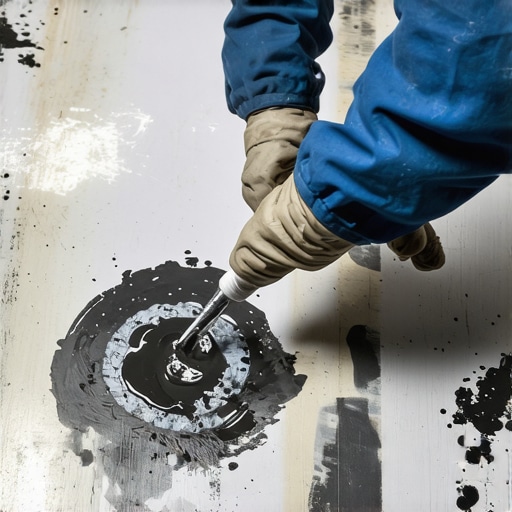
When we talk about mobile service for glass, we are talking about the application of high-viscosity polyurethanes or specialized glazing silicones. These materials are engineered to bond at a molecular level. However, liquid water is the ultimate contaminant. Even a few drops in the rough opening or on the pinchweld of a vehicle will cause the urethane to ‘gas out.’ As the moisture reacts with the isocyanates in the adhesive, it produces carbon dioxide. This creates tiny bubbles within the bead, turning a solid, structural gasket into something resembling Swiss cheese. You cannot see these bubbles from the outside, but the shear strength of that bond is effectively neutralized.
The Critical Role of Surface Temperature and Dew Point
In a thunderstorm, the temperature drops rapidly. This shift pushes the glass surface toward the dew point. If the temperature of the glass or the frame hits that magic number, a microscopic film of condensation forms. For a glass installer, this is the end of the job. Whether you are installing a new window into a rough opening or performing a chip repair, the resin or adhesive requires a dry, stable surface. If I attempt to shim a window and seal it while the sill pan is damp, I am effectively sealing moisture into the wall cavity. This leads to the exact kind of rot that destroys headers and jack studs. We utilize flashing tape and weep hole systems to manage water, but those systems are designed to shed water that arrives after the installation is cured, not during the process itself.
“The presence of liquid water or excessive moisture during the application of architectural sealants can lead to adhesive failure and reduced service life.” ASTM E2112 Standard Practice
The Reality of Chip Repair in the Rain
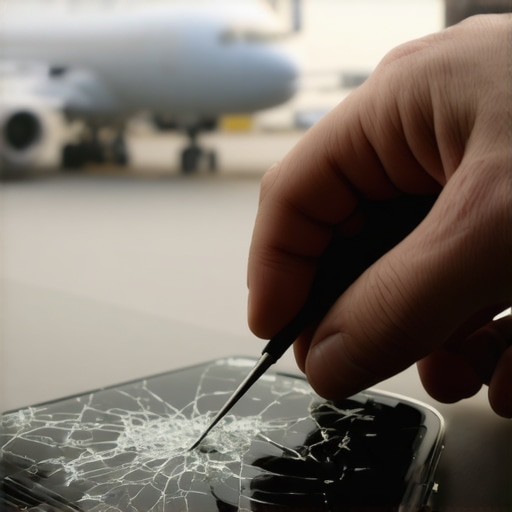
For a chip repair, the physics are even more demanding. The process involves creating a vacuum over the break to extract air and then injecting a clear resin. If a single droplet of rainwater enters that crack, the resin cannot displace it. Water has a different refractive index than glass and resin, meaning even if the repair ‘holds,’ it will be optically flawed. More importantly, water expansion and contraction will eventually pop the repair. A same-day promise is only as good as the weather allows. If a tech tells you they can fix a rock chip in a downpour, they are selling you a temporary aesthetic fix, not a structural restoration.
Water Management and the Shingle Principle
In residential glazing, we follow the ‘Shingle Principle.’ This means every layer of the window assembly must overlap the one below it so that gravity pulls water away from the interior. During a thunderstorm, wind-driven rain can force water upward and behind flashing tape that has not yet been fully pressurized or rolled. If the rough opening becomes saturated before the window is set and the drip cap is installed, we are effectively trapping a liter of water inside your wall. No amount of high-quality muntins or Low-E coatings will save a house from the mold that follows a wet installation. The professional choice is always to wait for a dry window of time where the substrate is bone dry and the weep holes can function as intended without being overwhelmed by a deluge during the setting phase.
Conclusion: Why Patience is the Professional Standard
A true master of the craft knows that the mobile service van is a workshop on wheels, but it cannot override the laws of chemistry. When your glass installer refuses to work in a storm, they are protecting your investment. They are ensuring that the bond is permanent, the seal is airtight, and the structural integrity of your home or vehicle remains uncompromised. Same-day service is a goal, but safety and quality are the mandates. Wait for the clouds to clear, let the surfaces dry, and ensure your glass is installed to last decades, not just until the next rainstorm.