Why your mobile repair shouldn’t take more than 30 minutes
The Science of Speed: Why Professional Mobile Glass Chip Repair Takes Under 30 Minutes
In my 25 years of standing on the front lines of the glazing industry, I have seen the evolution of glass from simple single-pane float glass to complex, multi-layered high-performance systems. I have installed massive curtain walls in downtown Minneapolis and restored delicate wood sash windows in 19th-century estates. One thing remains constant: glass is a fickle, high-tension material that obeys the laws of physics without exception. When a client calls for a mobile service to handle a chip repair, they often expect a grueling, hours-long process. However, if your glass installer is taking more than thirty minutes to stabilize a standard chip, they are either fighting the equipment or they do not understand the molecular dance between the resin and the substrate.
I remember sitting across from a homeowner who had been given a high-pressure pitch from a salesman I call a Tin Man. This guy was trying to convince the homeowner that a minor stone chip in a high-efficiency, triple-pane unit necessitated a full frame tear-out and a 150-year ROI replacement. I had to step in and explain that the integrity of the unit could be saved in twenty minutes with the right bridge and resin setup. It was a classic case of over-selling when a technical, surgical same-day repair was the superior engineering choice. The homeowner saved thousands, and the glass remained in its original Rough Opening, undisturbed and perfectly sealed.
“Installation is just as critical as the window performance itself. A high-performance window installed poorly will fail.” – AAMA Installation Masters Guide
The Physics of the Break and the 30-Minute Threshold
To understand the speed of a professional repair, you must understand the Dew Point and the internal stresses of the glass. When a projectile hits the glass, it creates a localized area of compression followed by a massive tension release. This results in the ‘chip’ which is actually a series of micro-fissures. A master glazier knows that the clock starts immediately. In a cold climate like Chicago or Minneapolis, the glass contracts. The air trapped inside the chip is cold and dense. If you wait too long or work too slowly, moisture begins to condense inside the break. Once the moisture hits the Glazing Bead or the interlayer, you are no longer just repairing glass; you are fighting chemistry.
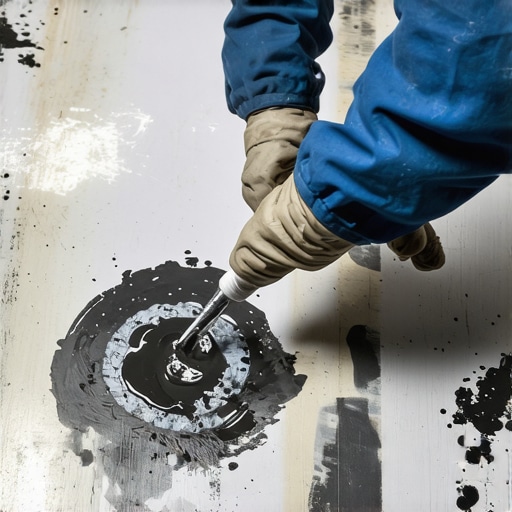
The 30-minute window is not a target for laziness; it is a requirement of the material. A professional mobile service uses a vacuum-pressure cycle. First, we clear the Weep Hole areas and ensure the glass surface is stabilized. Then, we apply a bridge over the break. The first ten minutes are dedicated to the vacuum phase. We must pull the air out of the fissures. If air remains, the resin cannot achieve a total bond. If your installer is just dabbing resin into the hole and walking away, they are a ‘caulk-and-walk’ amateur who is leaving your glass vulnerable to a full crack the next time the temperature drops.
Thermal Dynamics and Resin Viscosity
In the North, we deal with the brutal reality of heat loss. When I look at a window, I see the U-Factor. A chip in the glass compromises the thermal envelope. If the repair is not executed with a resin that matches the refractive index of the glass (typically around 1.52), the Solar Heat Gain will be unevenly distributed across the pane. This creates a thermal gradient that can cause the chip to bloom into a full-scale crack. The resin used in a same-day repair must be thin enough to penetrate the tightest micro-cracks but thick enough to provide structural support once cured by ultraviolet light.
During the pressure phase of the repair, which should take roughly ten minutes, the resin is forced into the voids previously occupied by air. We monitor the ‘flow’ through a magnifying lamp. You can actually see the silver reflection of the air disappearing as the resin fills the space. This is where the Glazing Zooming happens: we are looking at the molecular level of the bond. If the glass is too cold, we must gently warm it to open the pores of the material. If it is too hot, the resin will ‘flash’ and cure prematurely. A master glazier manages these variables within that 30-minute window because we understand the ASTM E2112 standards for exterior glass integrity.
“The thermal performance of a fenestration product is only as good as the seal maintained throughout its service life.” – NFRC Performance Standards
Why the Frame Matters Even in Chip Repair
Even though we are focusing on the glass, a professional glass installer never ignores the frame. Whether it is an operable sash or a fixed picture window, the way the glass is seated on its Shim blocks affects how pressure is distributed. If a window was installed with poor Flashing Tape or a failing Sill Pan, the entire unit might be shifting. This mechanical stress is often what causes a small chip to turn into a spiderweb. During a mobile service, I always check the Muntin bars and the perimeter seals. If the glass is under undue stress from a sagging header or a rotted Sash, the repair might fail not because of the resin, but because the house is literally crushing the glass.
The Final Cure and Polishing
The last five minutes of the process involve the UV cure. We use a specific wavelength of light to polymerize the resin. This turns the liquid into a solid that is nearly as hard as the glass itself. We then scrape the excess with a razor, ensuring it is flush with the surface so it doesn’t catch on the Glazing Bead or interfere with the window’s operation. This level of precision is why a same-day service is the gold standard. You aren’t just getting a patch; you are getting a structural restoration that maintains the U-Factor and the safety of the unit.
[IMAGE_PLACEHOLDER]
Don’t Buy the Hype, Buy the Science
When you see advertisements for ‘miracle’ DIY kits or installers who want to spend half a day on a single chip, remember that glass science is about efficiency and pressure management. A chip repair is a race against thermal expansion and contamination. If you are in a cold climate, the urgency is even higher to prevent the Dew Point from reaching the interior of the break. Demand a professional who understands the difference between a Rough Opening and a finished seal. Demand someone who knows that every minute the break is exposed to the elements is a minute closer to a total glass failure. In the hands of a Master Glazier, thirty minutes is all it takes to defy the physics of destruction and restore the clarity of your view.
{“@context”: “https://schema.org”, “@type”: “HowTo”, “name”: “Professional Mobile Glass Chip Repair”, “step”: [{“@type”: “HowToStep”, “text”: “Inspect the chip for moisture and debris, ensuring the internal fissures are clear.”}, {“@type”: “HowToStep”, “text”: “Apply a professional bridge and vacuum tool to remove air from the break.”}, {“@type”: “HowToStep”, “text”: “Inject high-refractive index resin under pressure into the evacuated fissures.”}, {“@type”: “HowToStep”, “text”: “Cure the resin using a targeted UV light source for structural stabilization.”}, {“@type”: “HowToStep”, “text”: “Pit fill and polish the surface to ensure it is flush with the original glass plane.”}], “totalTime”: “PT30M”}