Why your car windshield might need a primer before the final seal
Most people see a car windshield as a simple piece of glass designed to keep the wind out of their faces and the bugs out of their teeth. As a Master Glazier with a quarter-century in the field, I see it differently. I see a structural component that provides up to 60 percent of a vehicle’s roof strength in a rollover and ensures the passenger-side airbag deploys correctly. When I talk about the ‘seal’ of a window, I am not talking about a bead of silicone you bought at a hardware store. I am talking about a complex chemical bond that must withstand extreme thermal expansion, vibration, and wind loads. In the world of high-performance glass installation, whether it is a curtain wall on a skyscraper or a windshield in a sedan, the prep work is the difference between a life-saving barrier and a flying projectile.
“Installation is just as critical as the window performance itself. A high-performance window installed poorly will fail.” – AAMA Installation Masters Guide
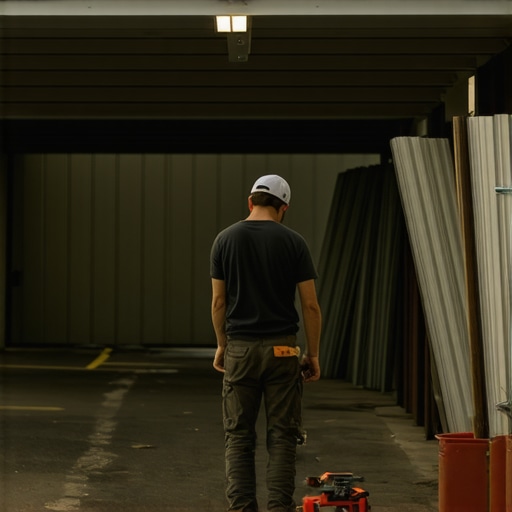
I pulled a windshield out of a truck recently for a mobile service call, and the pinchweld—that metal ledge where the glass sits—was a rusted mess of flakes and corrosion. Why? The previous glass installer relied on a ‘quick-and-dirty’ method, skipping the primer and scratching the paint during the removal with a cold knife. They didn’t treat the bare metal, and they didn’t use a dedicated glass primer. Over two years, moisture trapped under the urethane turned that structural support into something resembling wet cardboard. That is the ‘caulk-and-walk’ mentality I have spent my career fighting against. In the glazing trade, we understand that water is a persistent enemy. Whether it is a sill pan in a residential rough opening or the cowl drainage on a car, you must manage the path of moisture or face the consequences of rot and failure.
The Chemistry of the Bond: Why Primer is Non-Negotiable
To understand why a primer is necessary, we have to look at the molecular level—a process I call Glazing Zooming. A modern windshield is made of laminated safety glass. The edge of this glass is typically silk-screened with a black fritted band. This frit is not just for aesthetics; it provides a rougher surface for the adhesive and, more importantly, protects the urethane from ultraviolet (UV) radiation. However, glass is inorganic and non-porous. Urethane, the heavy-duty adhesive used for the final seal, is an organic polymer. These two materials do not naturally want to spend their lives together. The primer acts as a silane coupling agent. It is a molecular bridge. One end of the primer molecule is designed to bond with the inorganic glass or the fritted surface, while the other end contains reactive groups that cross-link with the isocyanates in the urethane. Without this bridge, you are essentially trying to glue two things together that are speaking different languages. In the high-heat environments of the South, where the Solar Heat Gain Coefficient (SHGC) can drive dashboard temperatures to 200 degrees Fahrenheit, this bond is under constant attack. The glass expands at a different rate than the steel frame of the vehicle. If that bond isn’t chemically perfect, the shear forces will eventually cause a delamination, leading to leaks or, in a crash, total failure.
The Physics of Climate and Curing
In hot, humid climates, the ‘Enemy’ is Solar Heat Gain and UV degradation. If you are in a southern state, your glass installer must be obsessed with the SHGC of the glass and the thermal stability of the seal. We use Low-E coatings on Surface #2 of architectural glass to reflect heat back outside, and in automotive glazing, we rely on the frit and high-quality primers to block that same radiant energy from destroying the adhesive bond. Urethane is a moisture-cured product. This means it needs humidity to harden. In a very dry climate, a same-day service might require an accelerated curing agent. Conversely, in a high-humidity environment, the ‘flash time’ of the primer—the time it takes for the solvents to evaporate before the urethane is applied—is critical. If you apply the final seal before the primer has fully flashed, you trap solvents in the bond line, leading to bubbles and a weakened structure. This is technical, precise work. It is not about just ‘filling the gap.’
“Adhesion must be verified through standardized testing to ensure the structural integrity of the assembly remains intact under peak wind and impact loads.” – ASTM E2112
Chip Repair vs. Full Replacement: The Mobile Service Reality
Not every stone-chip requires a full tear-out. A professional chip repair is a feat of engineering in its own right. We use high-viscosity resins that are injected into the break under vacuum. The goal is to evacuate the air and replace it with a polymer that has the same refractive index as the glass. If done correctly, it restores the structural integrity and stops the crack from spreading. However, if the damage is in the ‘acute area’ (the driver’s direct line of sight) or if the crack is longer than a dollar bill, the safety of the vehicle is compromised. As a glass installer, I have to be the bearer of bad news sometimes. A mobile service technician who offers a ‘five-minute fix’ without cleaning the impact point with a specialized dremel or probe is just selling you a cosmetic band-aid. You need a technician who understands the difference between an operable window and a fixed structural lite. They should know how to handle the glazing bead without snapping it and how to ensure the weep holes in the vehicle’s cowl are clear so that water doesn’t back up into the cabin.
Installation Autopsy: The Shingle Principle
In residential glazing, we talk about the ‘Shingle Principle’—the idea that every layer of a window installation must overlap the one below it so that water always flows down and out. This same logic applies to your car. The windshield must be seated perfectly within the pinchweld, with the proper setting blocks (or shims, as we call them in the building trade) to ensure it sits at the right height. If the glass is too low, the molding won’t seat right, and water will pool. If it’s too high, you’ll get wind noise that sounds like a whistle at 60 miles per hour. A master installer will use a primer to black out any areas where the paint was disturbed during the removal of the old sash. This prevents rust, which is the ‘rot’ of the automotive world. When I see a technician ‘caulk and walk’—slapping a bead of urethane over old, dirty adhesive without a primer—I know that customer will be back in a year with a mysterious whistle or a damp floor mat. Water management is a science, not a suggestion. Whether you are dealing with a wood muntin in a historic home or a laminated pane in a modern SUV, the fundamentals of adhesion, thermal dynamics, and moisture diversion never change. Don’t buy the hype of the cheapest ‘mobile service’ you find on a flyer; buy the expertise of someone who knows why that black bottle of primer is the most important tool in the kit.
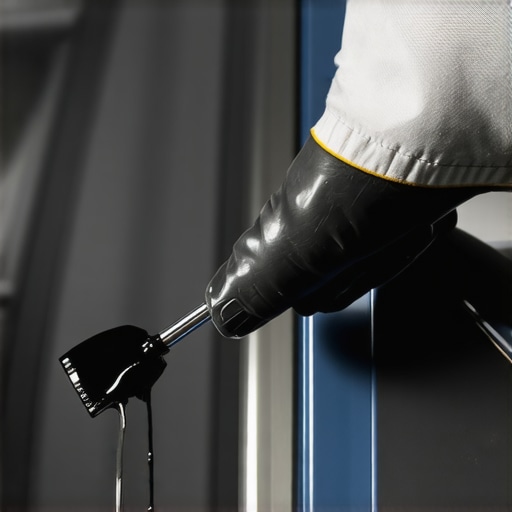
{“@context”: “https://schema.org/”, “@type”: “HowTo”, “name”: “How to Properly Prime a Windshield for Sealant Adhesion”, “description”: “A technical guide for ensuring a structural bond when installing automotive glass.”, “step”: [{“@type”: “HowToStep”, “text”: “Clean the pinchweld area and the glass frit with a specialized glass cleaner to remove all oils and contaminants.”}, {“@type”: “HowToStep”, “text”: “Inspect for any bare metal scratches caused during glass removal. Apply a metal-specific primer to prevent future corrosion.”}, {“@type”: “HowToStep”, “text”: “Apply the black-out glass primer to the fritted edge of the windshield using a clean dauber in a single, continuous motion.”}, {“@type”: “HowToStep”, “text”: “Allow the primer to ‘flash’ or dry for the manufacturer-specified time, usually 5 to 10 minutes depending on humidity levels.”}, {“@type”: “HowToStep”, “text”: “Apply a consistent V-bead of high-modulus urethane adhesive directly onto the primed surface or the pinchweld before setting the glass.”}]}