Why your car glass is rattling
A rattling sound in your vehicle is more than a minor annoyance. It is a diagnostic signal from the mechanical and structural systems that govern your cabin’s environmental envelope. In my twenty-five years as a master glazier, I have seen every possible failure of glass-to-metal interfaces, and when it comes to automotive glass, the tolerances are even tighter than those we find in high-rise curtain walls. Whether you are dealing with an operable side window or a fixed panoramic roof, that rattle suggests a failure in the support system, the glazing bead, or the adhesive bond itself. For many drivers, the first instinct is to turn up the radio, but a professional glass installer knows that a vibration today is a structural failure tomorrow. If you have been searching for a mobile service or a same-day chip repair, you need to understand the physics of why that glass is moving in its frame.
“Installation is just as critical as the window performance itself. A high-performance window installed poorly will fail.” – AAMA Installation Masters Guide
A homeowner once called me in a panic because their new windows were ‘sweating.’ I walked in with my hygrometer and showed them the humidity was 60 percent. It was not the windows; it was their lifestyle choices affecting the dew point. I see the same thing with car glass. A driver comes in complaining of a rattle, assuming the glass is poor quality. In reality, I often find that their car’s internal humidity has caused corrosion in the regulator or that a previous low-quality installation left the urethane bead compromised. This is the starting point for any true installation autopsy. We must look at the shingle principle of how water and air are managed within the door cavity. If your car glass is rattling, we are looking at a failure of the sash to maintain its position within the rough opening of the door frame.
The Physics of the Rattle: Tolerances and Thermal Contraction
In northern climates like Chicago or Minneapolis, the enemy is thermal contraction. Glass and steel have different coefficients of linear thermal expansion. When the temperature drops, the metal frame of your car door and the glass itself shrink at different rates. The glazing bead, that rubber or felt strip that holds the glass tight, loses its elasticity in the cold. This increases the gap between the glass and its tracks. A gap of even half a millimeter is enough to allow wind pressure to create a resonant frequency that sounds like a constant rattle. This is why many people notice the sound more in January than in July. The U-factor of your glass also matters here. Single-pane tempered glass, common in side windows, has poor thermal resistance. The cold air outside cools the glass rapidly, which in turn cools the internal components of the door, making them brittle and more prone to vibration.
The Anatomy of an Operable Window Failure
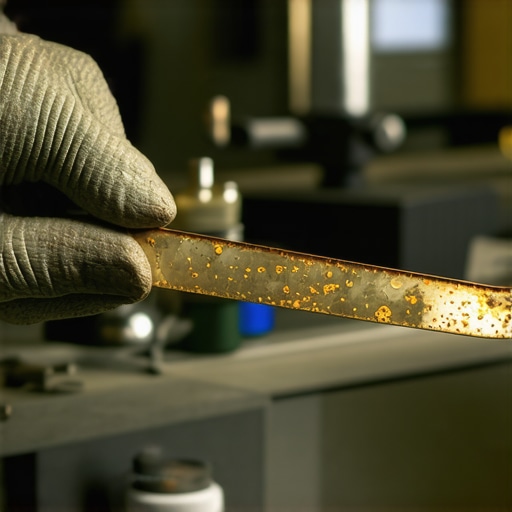
The operable sash of a car window relies on a mechanical regulator and a series of guide tracks. When you hire a glass installer for a same-day replacement, they must ensure that the glass is perfectly seated in the bottom channel. If the glass is not shimmed correctly within that channel, it will lean. This tilt puts uneven pressure on the weatherstripping. Over time, the constant vibration of the road causes the glass to beat against the channel, leading to a permanent rattle. In my shop, we do not just slide the glass in and call it a day. We inspect the weep holes at the bottom of the door. If these holes are clogged, water collects in the sill pan of the door, leading to rust on the regulator. A rusted regulator loses its tension, and a loose regulator is the primary cause of that metallic clicking sound you hear when hitting a pothole.
“The integrity of the sealant bond is dependent upon the preparation of the substrate and the environmental conditions during application.” – ASTM E2112 Standard Practice
The Mobile Service Dilemma: Urethane and Curing
Many people opt for a mobile service for convenience, especially when they need a chip repair or a full windshield swap. However, the science of the bond is sensitive. Windshields are a structural component of the car. They are held in place by high-modulus urethane. If the glass installer does not manage the ambient temperature and humidity during the bond, the urethane may not cross-link properly. I have performed autopsies on windshields where the glass was literally floating in the frame because the installer did not use a proper primer or failed to account for a high dew point during the mobile installation. This lack of a solid bond causes the glass to vibrate against the pinchweld, which is the rough opening of the car’s roof structure. That vibration is not just a noise; it is a sign that the glass will not stay in place during a collision.
Why Chip Repair Cannot Be Ignored
If you have a small stone chip, it might not seem like it would cause a rattle, but consider the structural tension. Automotive glass is either tempered or laminated. A chip in a laminated windshield creates a weak point in the glass-PVB-glass sandwich. This weak point allows the two layers of glass to move independently at a microscopic level. This can create a high-frequency buzz. A same-day chip repair uses a specialized resin to bridge that gap and restore the structural tension of the sash. Ignoring a chip allows moisture to enter the laminate, which can lead to delamination. Once the layers start to separate, the rattle becomes a groan, and eventually, the structural integrity is lost entirely.
Water Management and the Shingle Principle
Every car door is designed with the understanding that water will get inside. The glazing bead at the base of the window is not a waterproof seal; it is a water shedder. This follows the shingle principle: water should flow down and out. When this system fails, water sits against the window’s lower sash and the regulator components. This leads to the degradation of the plastic clips that hold the glass. Once those clips become brittle from water exposure and thermal cycling, they crack. This is the most common source of the ‘loose’ feeling in older car windows. A master glazier looks for these signs of water intrusion, such as mineral deposits on the glass or a musty smell inside the door panel, to diagnose the root cause of a rattle before simply replacing the glass.