Why you should avoid the car wash for 48 hours after a fix
As a Master Glazier with over a quarter-century in the trade, I have seen the structural integrity of glass compromised by the smallest of errors. Whether we are talking about a massive curtain wall on a skyscraper or a laminated safety glass windshield, the physics of adhesion remain the same. When a glass installer performs a chip repair or a full replacement, they are not just performing a cosmetic fix; they are re-engineering a structural component of a vehicle. The common request for a same-day mobile service reflects our modern pace of life, but physics does not respect your schedule. I often tell my apprentices that a window is a hole in the wall that needs to be managed, and in a vehicle, that hole is under constant pressure from wind, vibration, and temperature fluctuations.
“Installation is just as critical as the window performance itself. A high-performance window installed poorly will fail.” – AAMA Installation Masters Guide
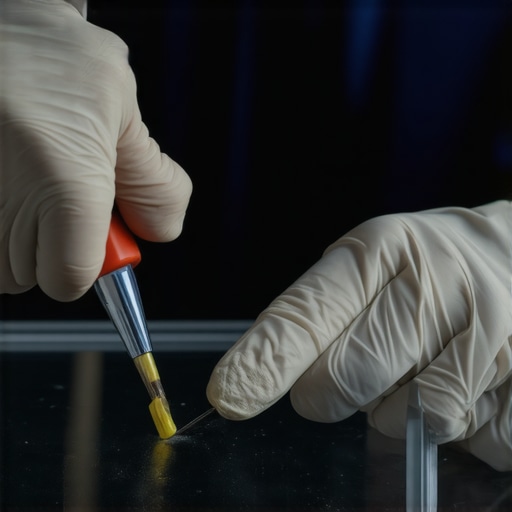
A homeowner called me in a panic because their new windows were ‘sweating’ only a week after installation. I walked in with my hygrometer and showed them the humidity was 60 percent. It was not the windows; it was their lifestyle choices ignoring the science of the dew point. I see the same thing in the automotive world. A driver gets a chip repair, ignores the 48-hour cure window, and heads straight for the high-pressure car wash. They call me when the resin clouds or the crack spreads, blaming the material when the fault lies in the violation of the curing cycle. You must understand that the resin used in a chip repair is a specialized polymer designed to match the refractive index of the glass. It requires a specific window of time to achieve full cross-linking of its molecular structure. Introducing high-pressure water and harsh surfactants during this phase is a recipe for catastrophic bond failure.
The Chemistry of the Cure: Why 48 Hours Matters
When we discuss a glass fix, we are usually talking about one of two things: a resin-based chip repair or a urethane-based replacement. In a mobile service scenario, we use UV-cured resins that appear to harden instantly under a lamp. However, the secondary chemical stabilization continues for hours. The bond must reach a specific tensile strength to handle the flex of the frame. In the architectural world, we talk about the Rough Opening and the Shim process to ensure a window sits perfectly. In a car, the aperture is your rough opening, and the adhesive is the only thing keeping that glass from becoming a projectile. Urethane adhesives, used in full replacements, rely on atmospheric moisture to cure. However, there is a limit. If you submerge that fresh bead in the recycled, high-pH water of a car wash, you interrupt the chemical transition from a paste to a structural solid.
The Threat of Hydrostatic Pressure and Thermal Shock
The modern car wash is a chamber of horrors for fresh glazing. The sprayers often exceed 1,000 PSI. For a fresh chip repair, that pressure can force water molecules into the micro-fissures of the glass that the resin has not yet fully sealed. Once water gets behind the resin, it acts as a wedge. Because glass is non-porous, that trapped moisture has nowhere to go. If the sun hits it later, the water expands, and the chip you just paid to fix turns into a foot-long crack. This is why the 48-hour rule is not a suggestion; it is a technical requirement. Furthermore, many car washes use heated water followed by a cold rinse. This thermal shock causes the glass to expand and contract rapidly. A master glazier knows that the expansion coefficient of the repair resin is slightly different from the borosilicate or soda-lime glass. Until the bond is fully matured, this differential movement will shear the repair right off the substrate.
“The integrity of the building envelope depends on the proper application and curing of sealants at all fenestration joints.” – ASTM E2112 Standard Practice
Climate Logic: Heat, Humidity, and the Southern Context
In hotter climates, like Texas or Florida, the Solar Heat Gain (SHGC) is our primary enemy. The glass surface can easily reach 150 degrees Fahrenheit when parked in the sun. If you take a hot windshield and blast it with 60-degree car wash water, the internal stresses are immense. In these regions, we typically place the Low-E coatings on Surface #2 of architectural glass to reflect heat outward. In automotive glass, we do not have that luxury; the entire pane acts as a heat sink. The heat actually helps the initial resin set, but it also makes the glass more volatile. If you are in a southern climate, the 48-hour wait is even more critical because the high ambient temperature and humidity can cause a ‘skinning over’ effect where the outside of the adhesive looks dry, but the core is still anaerobic and soft. A car wash will trap that moisture inside the seal, leading to long-term rot of the pinch weld, much like how a poorly flashed sill pan leads to wood rot in a home.
The Role of the Installer and the Mobile Service Reality
A reputable glass installer providing same-day service will always warn you about the car wash. If they do not, they are the ‘caulk-and-walk’ types I despise. Proper installation involves cleaning the frit, applying the correct primer, and ensuring the glazing bead is uniform. When we do a mobile service, we are fighting against wind-blown contaminants and varying humidity levels. The 48-hour window acts as a safety margin for these environmental variables. We use tools like suction cups and specialized racks to ensure the glass is seated without stress, but the moment we leave, the responsibility shifts to the owner. Avoid the temptation of a clean car for two days. The structural safety of your vehicle, specifically the roof crush rating and airbag deployment, depends on that glass staying exactly where we put it. Respect the science, respect the cure, and keep your vehicle away from the wash bay until the chemistry has finished its job.