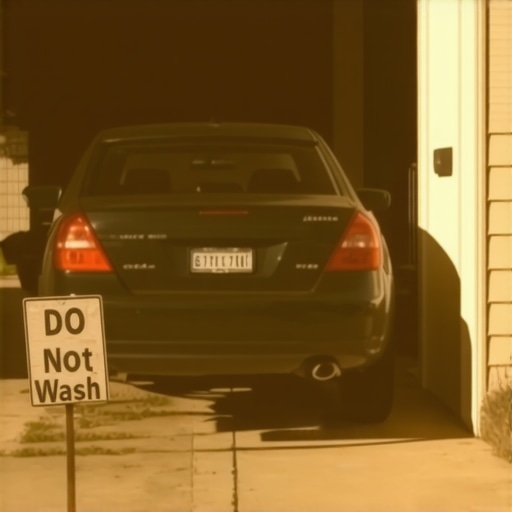
Why you should avoid the car wash for 48 hours after a fix
The Critical Grace Period for Glass Integrity
In my twenty-five years as a glass installer, I have seen every imaginable failure of judgment when it comes to post-installation care. Most people view a window or a windshield as a static piece of material, but in the hours following a chip repair or a full replacement, that glass is part of a living chemical process. A homeowner called me in a panic because their new windows were ‘sweating’ and the seals on their recent automotive glass repair seemed to be lifting. I walked in with my hygrometer and showed them the humidity was 60 percent. It wasn’t the windows; it was their lifestyle choices, specifically their insistence on a high-pressure car wash just six hours after a mobile service technician finished the job. They had ignored the cure time, and the hydrostatic pressure had forced water into the still-stabilizing polymer chains of the resin.
When we perform a same-day glass fix, we are often working with advanced UV-cured resins or high-viscosity urethanes. These materials do not simply ‘dry’ like a coat of paint. They undergo a complex cross-linking procedure where molecules form tight bonds to the surrounding glass matrix. During the first 48 hours, this bond is vulnerable to two primary enemies: extreme pressure and chemical interference. A modern car wash is not a gentle bath; it is a mechanical assault. Touchless washes use high-velocity water jets that can exert upwards of 1,000 PSI directly against the glazing bead and the fresh seal. If that water hits a weep hole that hasn’t been properly cleared or a seal that is still in its ‘tacky’ phase, you are inviting a catastrophic failure of the rough opening seal.
“Installation is just as critical as the window performance itself. A high-performance window installed poorly will fail.” AAMA Installation Masters Guide
The Science of the Cure: Why Time is Your Only Ally
To understand the 48-hour rule, we must look at the thermal and climate logic of glass repair. In northern climates like Minneapolis or Chicago, heat loss and condensation are the primary adversaries. When we apply a resin to a chip, we are essentially trying to match the U-Factor of the original glass to ensure consistent thermal expansion. If you introduce cold water from a car wash to a glass surface that has been sitting in the sun, you create a localized thermal shock. This can cause the sash or the glass pane to contract at a different rate than the curing resin. The result? The repair ‘pops’ or develops a secondary crack. This is why a glass installer who knows their craft will tell you that the dew point matters just as much as the ambient temperature during the fix.
The chemical composition of car wash soaps is another factor. Most commercial washes use heavy surfactants with high pH levels to strip away road grime. These chemicals can seep into the edges of a fresh repair, emulsifying the resins before they have reached full shore hardness. We often use a shim to ensure perfect alignment during a full frame replacement, and while the sill pan is designed to manage water, it is not designed to manage a pressurized chemical detergent. If you compromise the flashing tape or the sealant at the molecular level, you have effectively turned a permanent fix into a temporary plug that will fail at the first sign of a heavy freeze.
Mobile Service and the Myth of Instant Curing
The convenience of mobile service has led to a dangerous misconception that ‘fixed’ means ‘invincible.’ While the same-day nature of our work is efficient, it does not bypass the laws of physics. Every glass installer follows a protocol that respects the atmospheric conditions of the day. In colder climates, we prioritize the U-Factor and use warm-edge spacers to mitigate condensation, but these components require time to settle into the rough opening. If you agitate the assembly by driving through a car wash, you are essentially vibrating a sash that hasn’t been fully anchored by its secondary seals.
“Standard practice for installation requires that all sealants be allowed to develop a functional skin before exposure to significant environmental stressors.” ASTM E2112 Standard Practice
Consider the muntin and the glazing bead. These aren’t just decorative; they are part of the structural defense of the glass. When a repair is fresh, the glazing bead is often the last line of defense against moisture ingress. High-pressure air blowers at the end of a car wash tunnel can force air through tiny gaps in the uncured sealant, creating air pockets that will later harbor mold or cause the glass to delaminate. I have performed many ‘autopsies’ on failed installations where the sill pan was filled with soapy residue, a clear indicator that the car wash was the culprit, not the glass installer.
Managing Your Environment Post-Repair
If you are in a cold climate, the enemy is the freeze-thaw cycle. A chip repair that hasn’t cured will allow moisture to enter the microscopic fissures. When that moisture freezes, it expands, turning a small chip into a sash-splitting crack. By avoiding the car wash, you are ensuring that the repair remains dry and has the opportunity to reach its maximum tensile strength. Think of the 48-hour window as a ‘quarantine’ for your glass. You are protecting the operable parts of your window system from premature stress. Even the muntin bars can be affected by the aggressive agitation of a brush-style car wash if the frame hasn’t fully settled into its shim points.
In summary, the glass installer provides the expertise and the materials, but the homeowner or driver provides the environment. A same-day service is a feat of modern engineering, but it is not magic. You must respect the chemistry of the bond. Avoid the car wash, keep the weep hole clear of debris, and let the rough opening stabilize. Your patience over 48 hours will determine whether your glass lasts for another twenty years or fails before the next rainstorm. Water management is a science, and in the world of high-performance glazing, there is no room for shortcuts or ‘caulk-and-walk’ mentalities. If you want the repair to hold, you must let the resins finish their work in peace.
{“@context”:”https://schema.org”,”@type”:”HowTo”,”name”:”Post-Glass Repair Care”,”step”:[{“@type”:”HowToStep”,”text”:”Ensure the glass is kept in a dry environment for at least 48 hours.”},{“@type”:”HowToStep”,”text”:”Avoid all high-pressure car washes to prevent resin displacement.”},{“@type”:”HowToStep”,”text”:”Monitor the repair area for any signs of moisture or shifting during the cure cycle.”}],”totalTime”:”P2D”}