How we swap your cracked screen on your lunch break
When you notice a fracture in your window or a chip in a glass partition, the immediate reaction is often aesthetic concern. However, as a master glazier with over 25 years in the field, I look at a cracked pane and see a compromised pressure vessel. Your home or office is an envelope designed to regulate thermal transfer, and a single crack is a structural breach that invites the outside environment in. The concept of a mobile service offering same-day repair is not just a convenience for your lunch break; it is a critical intervention to prevent total thermal failure and structural rot. Whether it is a chip repair or a full pane swap, the physics of the glass must be respected. Modern glazing is a highly engineered system of light transmission and heat rejection. When we talk about a mobile glass installer arriving at your location, we are talking about a precision laboratory on wheels that can replicate factory seals in the field.
“Installation is just as critical as the window performance itself. A high-performance window installed poorly will fail.” – AAMA Installation Masters Guide
A homeowner called me in a panic because their new windows were ‘sweating.’ I walked in with my hygrometer and showed them the humidity was 60%. It wasn’t the windows; it was their lifestyle. They were running a humidifier in a sealed house while boiling pasta with no vent fan. This story illustrates a fundamental truth in glazing: the glass is a reactive element. In our southern, high-heat climate, the primary enemy is Solar Heat Gain. When you have a crack in your glass, the integrity of the Low-E coating is often the first thing to go. Low-E, or low-emissivity, is a microscopically thin, transparent coating that reflects long-wave infrared energy. In a hot climate, we prioritize placing this coating on Surface #2, which is the inward-facing side of the exterior pane. This reflects the sun’s radiant heat back toward the exterior before it can even cross the air gap. When a mobile service technician evaluates a chip repair, they are not just filling a hole. They are restoring the optical and thermal continuity of a complex system designed to keep your SHGC, or Solar Heat Gain Coefficient, as low as possible. A low SHGC means your air conditioner does not have to fight the sun every afternoon.
Understanding the NFRC label on your glass is the first step in a professional replacement. The U-Factor measures the rate of non-solar heat loss, and while it is the king of metrics in the north, here in the south, we look at the SHGC and Visible Transmittance. If your glass installer does not talk about the difference between Surface #2 and Surface #3 coatings, they are just a glass cutter, not a glazier. During a same-day swap, we must ensure that the new glass unit matches the technical specifications of your existing fenestration. This involves measuring the overall thickness of the Insulated Glass Unit, or IGU. An IGU is typically two panes of glass separated by a spacer bar and sealed to create a dead air space or a gas-filled chamber. If the spacer is a traditional aluminum box, it acts as a thermal bridge, conducting heat directly into your home. We look for warm-edge spacers that break that thermal path. When we perform a mobile service, we are checking the glazing bead, the small strip of vinyl or wood that holds the glass in the sash, to ensure it is not brittle from UV exposure. If the glazing bead fails, water can seep into the sash and settle in the rough opening, leading to the kind of rot that eats a house from the inside out.
The technical process of a lunch-break repair starts with the removal of the damaged lite. We don’t just bash the glass out. We carefully remove the glazing bead and check the setting blocks. Setting blocks are small pieces of neoprene or EPDM that the glass sits on. They are essential because they prevent the glass from making direct contact with the frame, which would cause stress concentrations and lead to further cracking. We also check the weep holes in the frame. These are tiny outlets that allow moisture to escape the glazing pocket. If a mobile glass installer bypasses these details, they are setting you up for failure. Once the old glass is out, we inspect the sash for any signs of movement or warping. A window is only as good as its rough opening. If the frame is out of square, we use a shim to level the unit before the new glass is dropped in. This ensures that the operable parts of the window, like the sash that moves up and down or swings out, continue to function without binding.
“Standard Practice for Installation of Exterior Windows, Doors and Skylights provides the baseline for preventing water infiltration and ensuring structural longevity.” – ASTM E2112
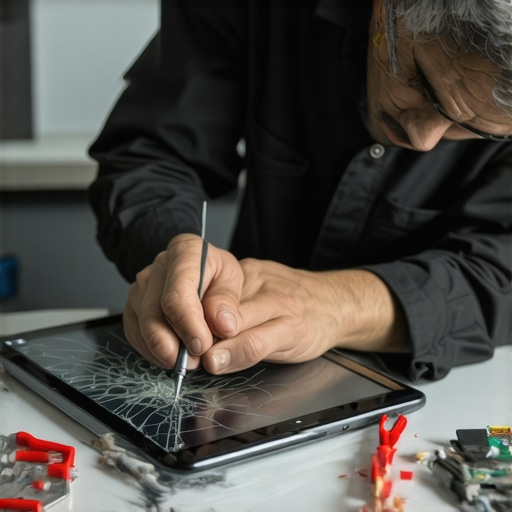
Chip repair is another science entirely. When a rock hits glass, it creates a cone-shaped fracture. A mobile service uses a specialized bridge and injector to force a clear, UV-curable resin into the break. This resin has the same refractive index as glass, making the repair nearly invisible. But the real goal is structural. The resin bonds the glass together, preventing the crack from expanding when the sun hits it and causes the glass to expand. This thermal expansion is why a tiny chip in the morning becomes a foot-long crack by 2 PM in the afternoon. By intervening during your lunch break, we stop that expansion in its tracks. We use a vacuum pump to remove air from the crack before injecting the resin, ensuring there are no bubbles that could catch the light or create a weak spot. It is a process that requires patience and a deep understanding of the material’s dew point. If there is moisture trapped in the crack, the resin will not bond. We use a localized heater to drive out any humidity before we start the injection. This is the difference between a professional glass installer and a DIY kit from a hardware store.
Finally, we must address the sill pan and flashing tape if the repair involves a full frame intervention. While a mobile glass swap usually focuses on the lite itself, a true master glazier is always looking for the path of the water. Water is the most destructive force a building faces. Every layer of the window assembly must follow the shingle principle, where the upper layer overlaps the lower layer to direct water down and away from the interior. When we replace glass in a mobile capacity, we are looking at the condition of the sealant. We don’t just use any caulk. We use high-grade silicone or modified polymers that can handle the expansion and contraction cycles of a hot climate. The goal is to create a seal that is airtight but allows the building to breathe. If you have noticed a draft or a whistling sound during a storm, that is a failure of the air barrier, not necessarily the glass. A same-day repair is the perfect time to audit the entire opening for these common failures. Don’t buy the marketing hype of the big window companies who say you need to replace every frame in your house. Often, a skilled glazier can restore the performance of your existing units with a simple glass swap and a recalibration of the hardware. It is about the numbers, the physics, and the technical execution. We are here to ensure that your view of the world remains clear and your energy bills remain manageable through science, not just salesmanship.