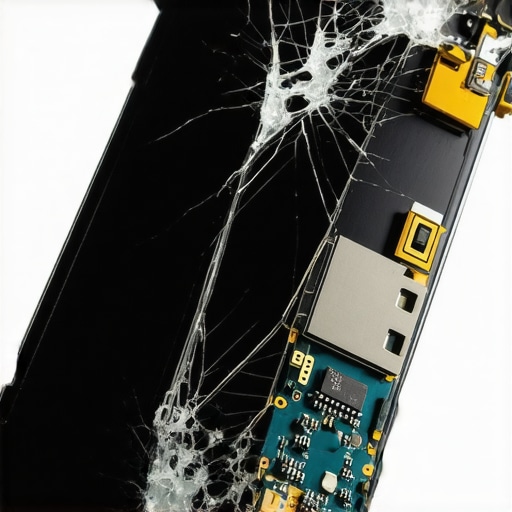
Why a cracked screen is a ticking time bomb for your LCD
The High-Stakes Physics of a Compromised Glazing Unit
When you have spent over two decades in the glazing trade, you develop a sixth sense for the sound of glass under stress. It is not always a loud shatter. Sometimes it is a subtle, high-pitched tick that tells you a window is fighting for its life. In the world of high-performance architectural glazing, particularly when we are dealing with integrated Liquid Crystal Display (LCD) or switchable smart glass, a single chip is far more than a cosmetic blemish. It is a structural breach that invites the laws of thermodynamics to dismantle your investment from the inside out. As a master glazier, I have seen too many homeowners treat a small star-break like a minor nuisance. They do not realize that in a climate where Solar Heat Gain Coefficient (SHGC) is the primary concern, that crack is a ticking time bomb. This is especially true here in the south, where the radiant heat of July puts more pressure on Surface #2 than most residential glass can handle without perfect integrity.
“Installation is just as critical as the window performance itself. A high-performance window installed poorly will fail.” – AAMA Installation Masters Guide
A few years back, I received a call from a homeowner in a panic because their new switchable privacy windows were ‘clouding’ from the bottom up. I walked in with my hygrometer and my thermal imaging camera, and the diagnosis was immediate. I saw that the humidity levels were hovering near 60 percent, but the real culprit was a tiny, almost invisible chip in the glazing bead area. It was not a manufacturing defect. It was a failure of the installation environment. The installer had used an improper shim that put a point-load on the edge of the glass. When the sun hit that pane, the glass expanded, the point-load created a micro-fissure, and that fissure became a straw. It was not just the windows failing; it was the entire moisture management system of the house being sucked into the liquid crystal layer because of capillary action. This is the reality of modern glazing. You are not just looking through a piece of sand; you are looking through a complex multi-layer assembly that requires absolute precision to remain functional.
The Thermal Expansion Trap: Why Timing is Everything
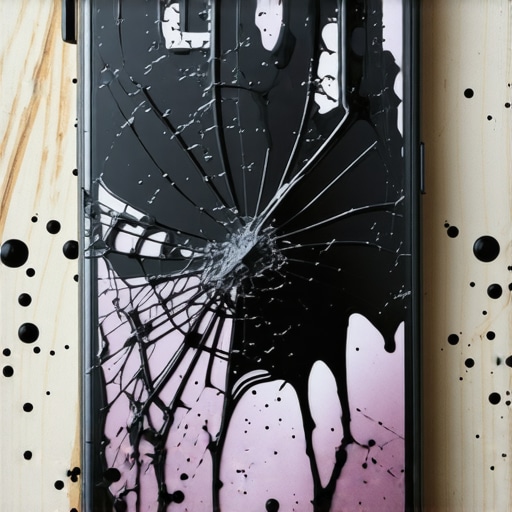
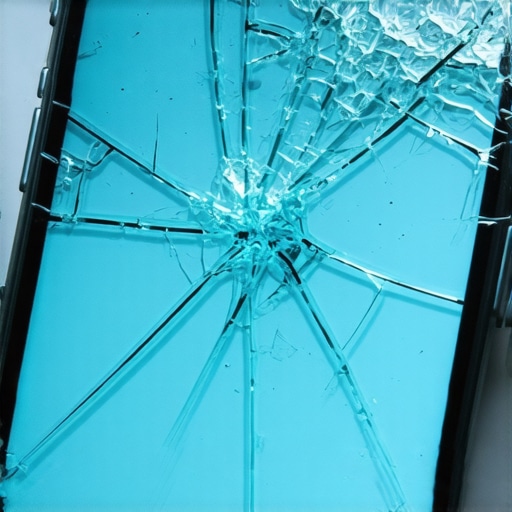
In our southern climate, the enemy is not the cold, it is the invisible infrared radiation. When you have a cracked pane, you are dealing with a compromised thermal boundary. Glass is an amorphous solid with a specific coefficient of thermal expansion. In a southern exposure, the temperature at Surface #1 can fluctuate by forty degrees in a matter of hours. This creates a phenomenon known as thermal stress. If the glass has a chip or a crack, the stresses concentrate at the vertex of that crack. Every time the sun hits that pane, the crack grows a fraction of a millimeter. This is why same-day chip repair is not a luxury, it is a structural necessity. If you wait, the thermal cycling will eventually drive that crack through the entire thickness of the lite, bypassing the Low-E coating on Surface #2 and rendering the insulating properties of the unit useless.
A professional glass installer understands that a mobile service for chip repair is about more than just aesthetics. It is about injecting a high-refractive-index resin that restores the structural continuity of the glass. This resin must be cured at a specific wavelength to ensure it bonds with the silica on a molecular level. If you ignore a chip in an LCD unit, you are allowing oxygen and moisture to enter the cavity. Liquid crystals are sensitive to contaminants. Once those molecules are exposed to the atmosphere, they lose their ability to align in response to an electric field. You end up with a permanent ‘glitch’ in your window that no amount of repair can fix. At that point, you are no longer looking at a repair; you are looking at a full-frame tear-out.
“Glazing systems shall be designed to minimize the potential for water or moisture accumulation within the glazing pocket.” – ASTM E2112 Standard Practice for Installation of Exterior Windows
The Installation Autopsy: Where Most Repairs Go Wrong
When I perform an installation autopsy on a failed unit, I always start at the sill pan. If a glass installer did not provide a proper path for water to exit via the weep hole, any crack in the glass becomes a primary entry point for moisture. We talk about the ‘Shingle Principle’ in the trade. Everything must overlap so that gravity carries water away from the building envelope. A crack in the glass defies this principle. It allows water to bypass the glazing bead and the flashing tape, heading straight for the rough opening. Once moisture hits the wooden framing of the rough opening, you are no longer just dealing with a broken window. You are dealing with structural rot and potential mold growth within the wall cavity.
This is why a mobile service must be equipped to do more than just slap some resin on a crack. They need to evaluate the integrity of the sash and the condition of the muntins if it is a divided lite. They need to ensure that the shim placement is still providing adequate support without creating new stress points. Many ‘caulk-and-walk’ contractors will simply fill a gap with cheap silicone and call it a day. But a master glazier knows that silicone is not a structural fix for a compromised LCD unit. You need to address the vacuum seal. If the argon or krypton gas has escaped through the crack, the U-factor of that window has plummeted. You might as well have a hole in your wall. The only way to prevent this is through immediate intervention. A chip repair caught early can save the gas fill and protect the sensitive electronics of a smart glass system.
The Math of Modern Glazing: Beyond the Sticker Price
The ROI on high-end windows is often calculated over decades, but a single crack can reset that clock to zero. We focus so much on the SHGC and the visible transmittance (VT) during the sales process, but we rarely talk about the durability of the edge seal. In an LCD window, the edge seal is the only thing standing between the liquid crystal layer and the humidity of the outside world. When a crack reaches the edge of the glass, it creates a path for moisture to wick into the laminate. This is why we insist on using high-quality flashing tape and ensuring the sill pan is perfectly level. If the window sits in standing water because the weep holes are blocked, that crack will accelerate the failure of the entire system.
Don’t be fooled by high-pressure sales tactics that prioritize triple-pane units in climates where they aren’t needed. In the south, a well-maintained double-pane unit with a high-quality Low-E coating and a solid, uncracked surface will outperform a neglected triple-pane unit every time. The goal is to manage the solar load. When you have a crack, you are effectively creating a thermal bridge. The heat from the outside conducts through the glass and radiates into your living space, forcing your HVAC system to work overtime. This is the ‘ticking time bomb’ of energy costs. A mobile service that can perform a same-day chip repair is essentially protecting your monthly utility budget as much as your view. It is about maintaining the physics of the glass as it was designed in the factory.
Conclusion: Why the Professional Choice Matters
In my 25 years of experience, I have learned that a window is only as good as the person who maintains it. A cracked screen on an LCD glass unit is a signal that the protective barrier of your home has been breached. Whether it is a small chip from a stray rock or a stress crack from a settling foundation, the response must be the same: professional evaluation and repair. Do not wait for the clouding to start or for the draft to become a howl. Call a glass installer who understands the nuances of the rough opening, the importance of the sill pan, and the delicate chemistry of liquid crystal glazing. Your windows are the eyes of your home; don’t let a small crack turn into a total loss of vision. Precision, timing, and technical expertise are the only tools that can truly stop the clock on a glazing failure.