Why your phone screen looks blue or yellow
The Invisible Spectrum and Your View
When you notice a color shift on your device or through your home windows, you are witnessing the physics of thin-film deposition in action. Whether it is a mobile device or a high-performance residential glazing unit, the glass is never just glass. It is a substrate for a complex stack of metallic oxides designed to manipulate the electromagnetic spectrum. As a master glazier with over 25 years in the field, I have seen the evolution from clear float glass to the multi-layered soft-coat systems we use today. Most people do not realize that the ‘blue’ or ‘yellow’ tint they see is actually a highly engineered response to heat and light. In the world of glass installation, we deal with these color shifts every day, especially when homeowners demand high visible light transmittance while simultaneously wanting to block every bit of solar heat.
I recall a specific incident in a high-wind coastal zone where a homeowner called me in a panic because their brand-new, impact-rated windows were ‘sweating’ on the exterior. I walked in with my hygrometer and showed them that the humidity was nearly 60 percent. It was not a failure of the glass; it was their indoor lifestyle and the fact that the high-performance coating was doing its job so well that the exterior pane remained cold, hitting the dew point of the morning air. It was a classic case of misunderstanding how modern glazing interacts with the environment. The color shift they noticed, that slight bronze or yellow hue, was the silver layer within the Low-E stack reflecting long-wave infrared radiation back into the atmosphere.
“Installation is just as critical as the window performance itself. A high-performance window installed poorly will fail.” AAMA Installation Masters Guide
The Physics of Color: U-Factor and Visible Transmittance
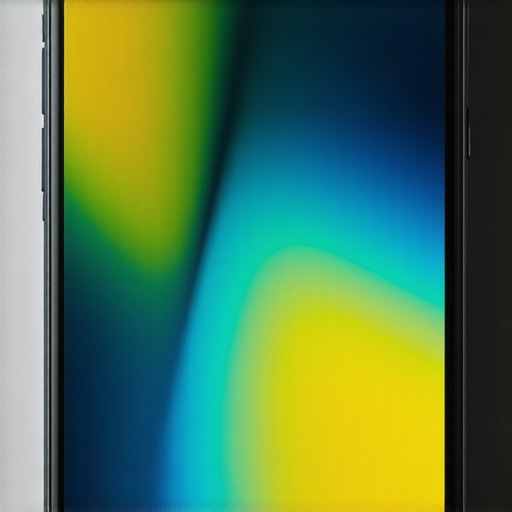
To understand why a screen or a window looks blue or yellow, we have to talk about the Solar Heat Gain Coefficient (SHGC) and Visible Transmittance (VT). In hot climates, we prioritize a low SHGC. We want to block the heat from the sun before it ever enters the rough opening of your wall. To achieve this, glass manufacturers use a process called Magnetron Sputter Vacuum Deposition (MSVD). This involves applying microscopic layers of silver and other metals to the glass surface. These layers are tuned to allow visible light to pass through while reflecting the heat. If you see a blue tint, the coating is likely optimized to filter out higher energy wavelengths. If it looks yellow or bronze, it might be a thicker silver stack designed for extreme solar rejection in the Southern heat.
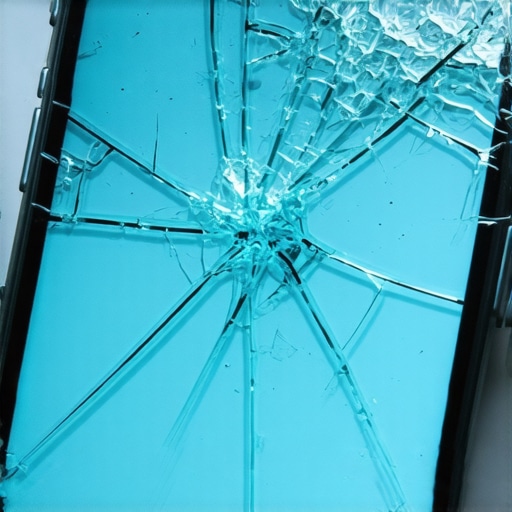
When we perform a mobile service or a same-day chip repair, we have to be incredibly careful with these coatings. A standard chip repair on a clear windshield is one thing, but when you are dealing with specialized coatings, the resin must match the refractive index of the glass and the coating perfectly. If a glass installer tells you that all glass is the same, they are the kind of ‘caulk-and-walk’ technician that gives our trade a bad name. You cannot simply swap a high-performance sash for a piece of standard clear float glass without destroying the thermal envelope of the building and the aesthetic uniformity of the facade.
The Anatomy of the Window: Beyond the Glass
The glass is held in place by the glazing bead, a small but vital component that snaps into the sash frame to secure the glass unit. But the real magic happens in the space between the panes. In high-performance units, we use argon or krypton gas fills and warm-edge spacers. If your window looks yellow, it could also be an indication of seal failure where moisture has entered the unit and reacted with the Low-E coating, a process we call ‘silver rot.’ This is why the sill pan and proper flashing tape are so important during the initial installation. If water gets trapped against the secondary seal of the insulated glass unit (IGU), the chemical bond will eventually fail.
“Proper integration of the window with the weather-resistive barrier is paramount to long-term performance.” ASTM E2112 Standard Practice
When I am at a job site, I check the rough opening tolerances with a level of precision that borders on obsessive. If the frame is not plumb, level, and square, the operable parts of the window, like the sash, will not sit correctly in the weatherstripping. This leads to air infiltration, which makes the most expensive triple-pane glass as useless as a screen door. We use shims to fine-tune the position of the window within the opening, ensuring that the weight is distributed evenly across the sill. Without a proper shim strategy, the frame can bow, causing the glass to stress and potentially crack or lose its seal.
Why Mobile Service for Glass Requires Precision
In the context of same-day chip repair and mobile service, the technician must understand the ‘shingle principle.’ Water flows down. Any repair or installation must account for the weep hole system in the frame, which allows moisture to escape. If a technician clogs those weep holes with excess sealant, the water will back up and rot the wooden components of the wall. This is technical glazing, not just slapping glass into a hole. The color shift you see in your phone or your window is a reminder that you are looking through a filter. In the South, where the sun is an enemy, we want that ‘blue’ or ‘green’ tint because it means the Low-E coating is on Surface #2, reflecting the heat back outside before it can even cross the thermal break of the frame.
Ultimately, whether you are looking at a screen or a double-hung window, the quality of the glass is only as good as the technician who maintains it. A chip repair must be handled immediately to prevent moisture from wicking into the laminate layer. If you wait, the heat will expand the air trapped in the chip, causing a ‘run’ that ruins the entire unit. In our trade, we don’t believe in shortcuts. We believe in the math of the NFRC label, the precision of the rough opening, and the long-term protection of a properly installed sill pan. Don’t buy the sales pitch of a ‘tin man’ looking for a quick buck; buy the science of high-performance glazing.
{“@context”:”https://schema.org”,”@type”:”LocalBusiness”,”name”:”The Glazing Authority”,”description”:”Expert window installation and glass repair services specializing in high-performance coatings and thermal management.”,”address”:{“@type”:”PostalAddress”,”streetAddress”:”123 Glazier Way”,”addressLocality”:”Phoenix”,”addressRegion”:”AZ”,”postalCode”:”85001″,”addressCountry”:”US”},”telephone”:”555-0199″,”url”:”https://example.com/glazing-authority”}