The truth about those liquid screen repair bottles for phones
As a Master Glazier with over a quarter-century in the trade, I have seen every glass gimmick under the sun. I have replaced six-foot-tall IGUs (Insulated Glass Units) on the 40th floor of skyscrapers and restored 1920s wood sashes where the glazing bead had long since turned to dust. I know glass. I know its stress points, its refractive index, and its molecular stubbornness. When I see people standing in line for a mobile service to have their phones fixed, I often see them clutching those little bottles of liquid screen repair they bought online for ten dollars. They think they are applying a high-tech shield that will magically fuse their shattered glass back together. The truth is far more complex and involves the same physics we use to prevent a storefront from blowing out during a hurricane.
“The integrity of a fenestration system relies on the continuity of the air and water barrier across the rough opening.” – ASTM E2112
A homeowner called me in a panic because their new windows were ‘sweating.’ I walked in with my hygrometer and showed them the humidity was 60 percent. It wasn’t the windows; it was their lifestyle. I see the same thing with these liquid screen protectors. Users apply the liquid, and suddenly they notice their screen feels oily or the touch response is lagging. They think the liquid is the problem. In reality, the liquid has trapped moisture and oils against the glass, much like a poorly installed sill pan traps water against a header. They didn’t understand the vapor pressure of their own device. These liquid repair kits are essentially a diluted form of Silicon Dioxide (SiO2). In the glazing trade, we deal with SiO2 every day; it is the primary component of the glass itself. However, applying a topical layer of nano-liquid is not the same as a structural chip repair performed by a professional glass installer.
The Molecular Reality of Liquid Glass
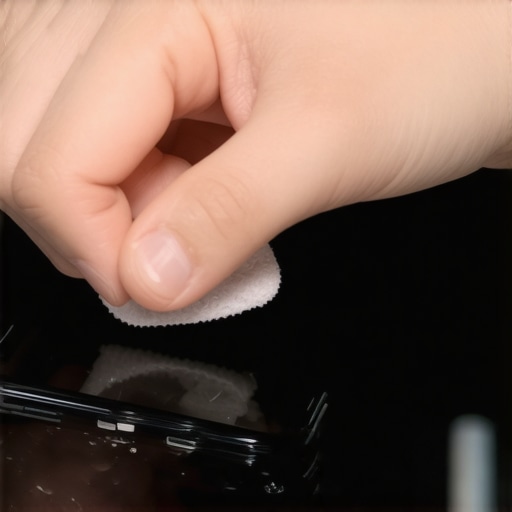
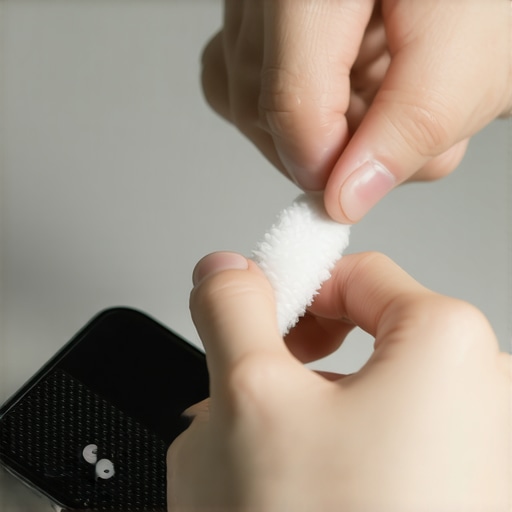
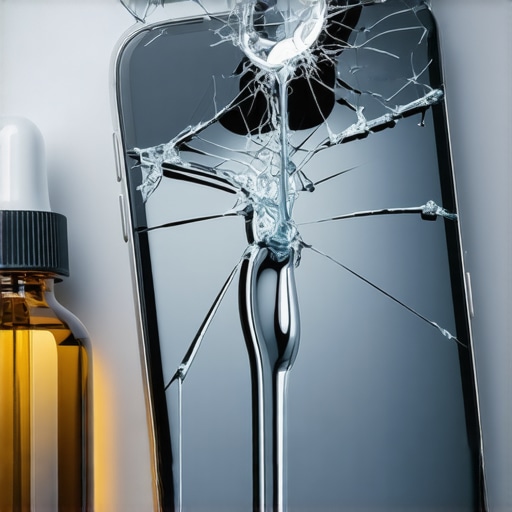
When you use a liquid repair bottle, you are participating in a process known as chemical vapor deposition in its most primitive, manual form. The liquid is meant to fill the microscopic valleys on the surface of the glass. Even a screen that looks perfectly smooth has a texture at the molecular level. The theory is that the SiO2 molecules will settle into these valleys, creating a flatter surface that is harder to scratch. This is valid science, but it is not a repair for a crack. If you have a chip, you have a structural failure in the tempered glass. Tempered glass is under incredible internal tension. When that surface tension is broken, the glass wants to fail completely. A professional same-day mobile service uses an injector to force high-viscosity resin into the break, often under a vacuum, to restore structural integrity. A bottle of liquid screen repair simply sits on top of the crack, doing nothing to stop the spread of the fracture.
Thermal Dynamics and the Southern Climate
In regions like Phoenix or Florida, the solar heat gain (SHGC) is the primary enemy of any glass installation. This applies to your phone just as much as it does to a thermally broken aluminum window frame. In a hot climate, the enemy is the sun. When your phone sits in a car or in direct sunlight, the glass expands. If you have applied a cheap liquid screen repair, that coating has a different coefficient of thermal expansion than the Gorilla Glass underneath. Because the SHGC of the device is high, the heat builds up rapidly. The coating can become brittle or even delaminate, leaving a hazy residue that ruins your visible transmittance. A master glazier knows that in the south, you want the Low-E coating on surface number two to reflect heat back outside. These liquid bottles essentially act as a heat trap. They don’t offer the thermal stability required to handle the radiant heat of a Texas July. This is why a professional glass installer will always recommend a physical replacement or a high-grade tempered glass overlay rather than a liquid gimmick.
“Installation is just as critical as the window performance itself. A high-performance window installed poorly will fail.” – AAMA Installation Masters Guide
The Rough Opening of Mobile Devices
In window installation, the rough opening must be shimmed and flashed perfectly to ensure the sash operates without binding. Your phone screen is essentially a piece of glass held in a very tight rough opening. When you have a chip, the structural load of the frame is no longer distributed evenly. If you rely on a liquid repair, you are ignoring the physics of the load. A professional chip repair involves cleaning the weep holes of the crack and ensuring no debris is trapped. The liquid bottles often seal in dirt and skin oils, which then act as a wedge when the glass expands from heat. This actually accelerates the failure of the glass. The muntin-like grid of the digitizer underneath the glass is also at risk. If the liquid seeps through a crack, it can coat the electrical components, leading to a total failure of the touch interface. This is why same-day professional service is not just about aesthetics; it is about protecting the internal chassis from environmental contamination.
Why Professional Mobile Service Trumps DIY
When a glass installer approaches a chip repair, they are looking at the glass as a managed barrier. We look at the way light passes through (visible transmittance) and the way the glass resists impact. The liquid in a bottle has a different refractive index than the glass on your phone. This means that even if it fills the crack, the light will bend differently as it passes through the repair, making the crack visible as a shimmering line. A professional mobile service uses resins that are optically matched to the specific glass type. Furthermore, the curing process for a professional repair involves specific UV wavelengths that ensure the resin bonds at a molecular level. The ‘air-dry’ or ‘sun-cure’ methods suggested by liquid bottle manufacturers are inconsistent and often leave the repair soft in the center. In the world of high-stakes glazing, we call this a ‘caulk and walk’ job, and it is the hallmark of an amateur. If you want the job done right, you need the tools and the technical knowledge of a specialist who understands that glass is a living, moving material that reacts to every degree of temperature change. Don’t trust a ten-dollar bottle with a thousand-dollar device. Trust the physics, trust the standards, and trust a professional glazier.