Why we use a digital microscope to inspect your logic board
The Invisible Engineering of Modern Glass
In the world of high-performance fenestration and glass repair, what you cannot see is often more critical than what you can. When a client asks why a master glazier would need a digital microscope to inspect a logic board or a glass substrate, they are often surprised by the intersection of electronics and silica. We are no longer living in the era of simple single-pane float glass held in place by putty. Today, we deal with integrated glazing systems where glass acts as a structural element, a thermal barrier, and a technological interface. Whether we are performing a chip repair on a high-performance laminated windshield or installing electrochromic ‘smart’ glass in a luxury residence, the tolerance for error is measured in microns, not inches. If you ignore the microscopic integrity of the glass or the logic board controlling the tinting, you are essentially gambling with the structural and thermal longevity of the installation.
A homeowner called me in a panic because their new windows were ‘sweating’ and the integrated smart-tinting system had stopped responding. I walked in with my hygrometer and showed them the humidity was 60 percent. It was not the windows; it was their lifestyle choices combined with a failure in the logic board of the HVAC-syncing sensor. This is a classic case where the intersection of glass performance and electronic control becomes apparent. The condensation was a symptom of both high internal humidity and a control system that failed to adjust the thermal break. Without a digital microscope to inspect the solder joints on the control board and the integrity of the glazing bead seals, a lesser installer would have just replaced the glass and walked away, only for the problem to return within a month. This is the reality of modern glazing: we are part carpenter, part physicist, and part electronics technician.
“Installation is just as critical as the window performance itself. A high-performance window installed poorly will fail.” – AAMA Installation Masters Guide
The Glass Class: Decoding Thermal Performance
To understand why we use high-magnification tools for chip repair and logic board inspection, you must first understand the physics of the NFRC label. The U-Factor is the primary metric we use to measure the rate of non-solar heat loss. In colder climates, a lower U-Factor is non-negotiable. This is achieved by utilizing multiple panes of glass separated by a warm-edge spacer. We do not just use any spacer; we use non-conductive composite materials that minimize the thermal bridge at the edge of the glass. When we zoom in with a digital microscope, we are looking for micro-fractures in these spacers or the primary polyisobutylene seal. Even a microscopic breach allows the argon gas to escape. Argon is heavier than air and provides superior insulation, but if the seal is compromised by even a fraction of a millimeter, the U-Factor skyrockets and your energy savings vanish.
Solar Heat Gain Coefficient (SHGC) is the second pillar of our logic. In warmer climates, or during the punishing summer months, the SHGC determines how much solar radiation enters the building. We manage this through Low-E (low-emissivity) coatings. These are microscopically thin layers of silver or other low-emissivity materials applied to the glass surfaces. For a window intended to keep heat out, we apply the coating to Surface #2. This reflects the long-wave infrared radiation back outside before it can even cross the thermal break. Using a digital microscope allows us to verify the consistency of this coating during a chip repair. If the coating is scratched or oxidized, the glass loses its ability to regulate temperature, leading to a hot spot in the room that ruins the comfort of the space and fades your furniture.
The Technical Reality of Chip Repair and Mobile Service
When providing mobile service for chip repair, many installers simply inject resin and hope for the best. A master glazier uses a digital microscope to inspect the ‘legs’ of the break. If a chip has microscopic fissures extending into the laminate layer, a standard repair will fail under thermal stress. Glass expands and contracts at a different rate than the PVB (polyvinyl butyral) interlayer. If the logic board of a vehicle or a smart home system is reading sensors through that glass, any distortion from a poor repair can trigger a fault code. This is why we inspect the logic board and the sensor mounting points with the same level of scrutiny as the glass itself. We ensure the rough opening is square and the shims are placed exactly at the load-bearing points of the sash to prevent any twisting of the frame that could stress the glass and lead to a recurring crack.
“Standard practice for installation of exterior windows, doors and skylights requires meticulous attention to the building envelope to prevent air and water infiltration.” – ASTM E2112
The math of window replacement often focuses on the energy savings myth. While new windows do save energy, the real return on investment is found in the longevity of the building envelope. A poorly installed window allows water to bypass the flashing tape and pool in the sill pan. Without proper weep holes to let that moisture escape, the rough opening will rot, and the logic boards for integrated security sensors will short out. We use the digital microscope to verify that the weep holes are clear of manufacturing debris and that the glazing bead is seated with enough pressure to create a watertight seal. This level of detail is what separates a professional installation from a ‘caulk-and-walk’ job that will require a full frame tear-out in five years.
The Role of Logic Boards in Smart Fenestration
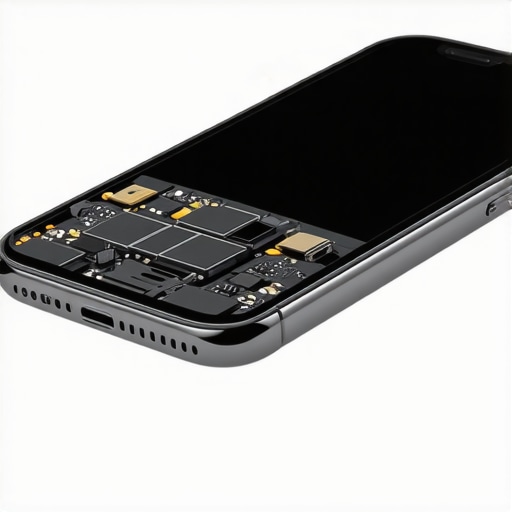
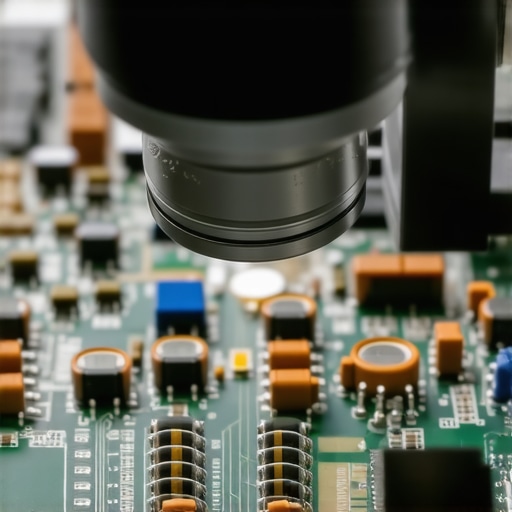
Modern glass is increasingly ‘operable’ and intelligent. Electrochromic glass relies on a series of bus bars and a logic board to manage the flow of electricity across the nanocoating. If the voltage is too high, the coating is damaged; too low, and the glass does not tint. When we perform a mobile service or a same-day glass installation on these systems, we must inspect the electrical traces at 100x magnification. A single micro-crack in the glass can sever a trace, leading to a dead zone in the tint. The logic board itself must be inspected for thermal damage or corrosion, especially in coastal environments where salt air can penetrate even the most robust housings. We use shims to perfectly align the glass so that the electrical connectors are not under tension, which is the leading cause of logic board failure in automated window systems.
Ultimately, the glass is only as good as the technician who understands the science behind it. We look at the dew point of the air trapped between the panes. We look at the visible transmittance to ensure you are getting the light you want without the heat you do not. We analyze the muntin bars to ensure they are not touching the glass surface and creating a thermal bridge. Every component, from the sill pan to the top of the sash, must work in harmony. Do not be fooled by high-pressure sales tactics or cheap quotes. Look for the professional who brings a microscope to a glass job, because they are the only ones who truly understand the complexity of the hole in your wall. [image placeholder]