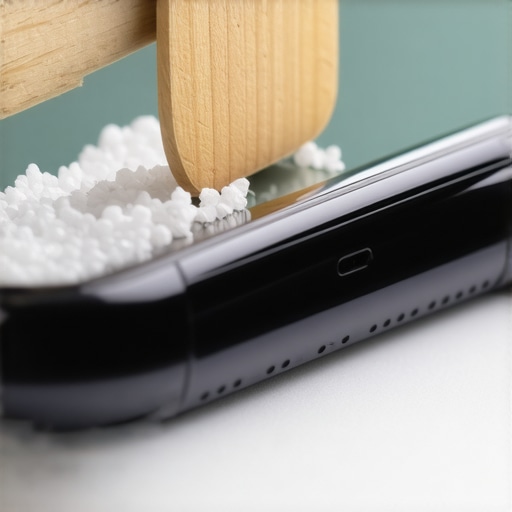
The trick to cleaning salt out of a mobile charging port
If you have ever dealt with the frustration of a salt-clogged device, you know that coastal living is a constant battle against the elements. While most homeowners worry about the trick to cleaning salt out of a mobile charging port, a professional glass installer looks at the bigger picture: the massive apertures in your walls. Salt is not just a nuisance for electronics; it is a chemically aggressive agent that compromises the structural integrity of your windows. In my 25 years as a master glazier, I have seen how the saline environment of a coastal region can turn a high-end installation into a failure within a single season if the physics of the installation are ignored.
The Condensation Crisis: A Coastal Case Study
A homeowner in a beachfront property once called me in a panic because their new impact-rated windows were constantly ‘sweating.’ I walked in with my hygrometer and showed them the humidity was 60 percent. It was not a failure of the glass units themselves; it was a failure of their lifestyle management combined with the specific thermal pressures of a salt-heavy atmosphere. They were cleaning the salt off the exterior but ignoring the fact that their interior climate was fighting the external dew point. When salt accumulates on the glazing bead or inside the weep holes, it creates a hygroscopic bridge that pulls moisture into areas where it should never dwell. This is why same-day chip repair is not just about aesthetics; it is about preventing the salt-laden air from entering the laminated interlayer of your glass.
“Installation is just as critical as the window performance itself. A high-performance window installed poorly will fail.” AAMA Installation Masters Guide
The Installation Autopsy: Why Coastal Windows Fail
In a coastal environment, the enemy is not just the wind; it is the corrosive pressure. When I perform an installation autopsy on a leaking window, the culprit is almost always the flashing system. The Shingle Principle dictates that water must always be shed to the exterior. However, in many mobile service ‘quick fixes,’ the installer ignores the sill pan. A sill pan is the last line of defense. It is a three-sided box that sits at the bottom of the rough opening. If water gets past the primary seal, the sill pan catches it and directs it back out through the weep holes. Without this, that salt-water mixture sits on your wood framing, leading to the kind of rot that can compromise a structural header in less than two years.
Material Science: Vinyl vs. Fiberglass in Salt Air
When selecting windows for a coastal climate, frame material science is paramount. Vinyl is popular because it is cost-effective, but it has a high coefficient of thermal expansion. In the hot sun of a Florida or Carolina afternoon, a vinyl sash will expand significantly more than the glass unit it holds. This movement stresses the glazing bead and can eventually crack the primary seal of the Insulated Glass Unit (IGU). Fiberglass, on the other hand, is composed of glass fibers and resins that expand and contract at nearly the same rate as the glass itself. This stability is critical for maintaining the airtight seal required to keep salt air from reaching the Low-E coatings on Surface #2. If those coatings are exposed to salt air, they will oxidize and flake, rendering the thermal benefits of the window useless.
“The window assembly must be designed to manage water infiltration through the use of a continuous drainage plane and properly integrated flashing.” ASTM E2112 Standard Practice
The Mechanics of Mobile Service Chip Repair
For those of us in the glass installer trade, providing a mobile service means more than just driving a van to a site. It means having the technical capacity to perform a same-day chip repair that accounts for environmental contamination. When a stone chips a window or a piece of glass, the ‘star’ or ‘bullseye’ fracture immediately becomes a vacuum for salt and moisture. If you wait more than 24 hours, the salt begins to crystallize inside the crack. Simply injecting resin at that point is a recipe for failure. The technician must first neutralize the salt and remove all moisture to ensure the resin bonds to the glass molecules. This level of detail is what separates a professional glazier from a ‘caulk-and-walk’ contractor who just wants to fill the hole and move on.
Dynamic Thermal Logic for Coastal Zones
In southern coastal zones, Solar Heat Gain Coefficient (SHGC) is the most important metric on the NFRC label. You are not fighting the cold; you are fighting the radiant energy of the sun. We utilize Low-E coatings on Surface #2 (the inner face of the outer pane) to reflect that infrared energy back toward the ocean before it can cross the argon-filled gap. Furthermore, we must ensure that all hardware is stainless steel or at least powder-coated with a high-grade finish to prevent the salt air from seizing the operable parts of the sash. If your weep holes are clogged with salt and sand, the water that builds up during a storm has nowhere to go but inside your home. This is why regular maintenance of the sash and the rough opening is non-negotiable for anyone living within ten miles of the coast.
The Math of Glass Performance
Many homeowners are sold on the myth of immediate energy savings. While a high-performance window will certainly lower your utility bills, the real ROI in a coastal environment is found in the longevity of the building envelope and the comfort of the occupants. A properly shimmed window, set perfectly level and plumb within the rough opening, ensures that the weight of the glass is distributed evenly across the frame. This prevents the sash from sagging, which would otherwise create gaps for salt air to infiltrate. When you hire a glass installer, you are paying for their understanding of these tolerances. A shim that is off by even an eighth of an inch can cause a multi-point locking system to fail, leaving your home vulnerable to the next big storm. Don’t buy the sales pitch; buy the technical expertise of an installer who knows how to manage the invisible forces of pressure and chemistry.