The trick to drying out your phone without using rice
The Myth of the Starch Fix
In twenty-five years of handling everything from high-rise curtain walls in Chicago to residential casement replacements, I have seen every DIY disaster in the book. There is a persistent, nagging myth that has migrated from the home improvement world into the electronics sector: the idea that a bowl of white rice is a professional solution for moisture. As a master glazier, I find this offensive. It is the ‘caulk-and-walk’ equivalent of technical repair. When we talk about moisture ingress, whether it is in a triple-pane Insulated Glass Unit (IGU) or a mobile device, we are talking about the physics of vapor pressure and dew points. Rice does not lower the vapor pressure around your device enough to pull moisture from the internal components; it simply coats the exterior in starch dust that can gum up your charging port or create a conductive paste when mixed with the remaining water. To fix a ‘sweating’ device or a fogged piece of glass, you need to understand the science of the seal.
“Installation is just as critical as the window performance itself. A high-performance window installed poorly will fail.” – AAMA Installation Masters Guide
This principle applies to your phone’s glass just as much as a storefront window. When you have a cracked screen, or what we call a ‘chip’ in the glass installer trade, you have compromised the structural integrity and the hermetic seal of the assembly. A mobile service professional knows that a chip repair is not just about aesthetics: it is about preventing the ‘Rough Opening’ of that crack from allowing atmospheric humidity to reach the sensitive electronics inside.
The Condensation Crisis: A Glazier’s Perspective
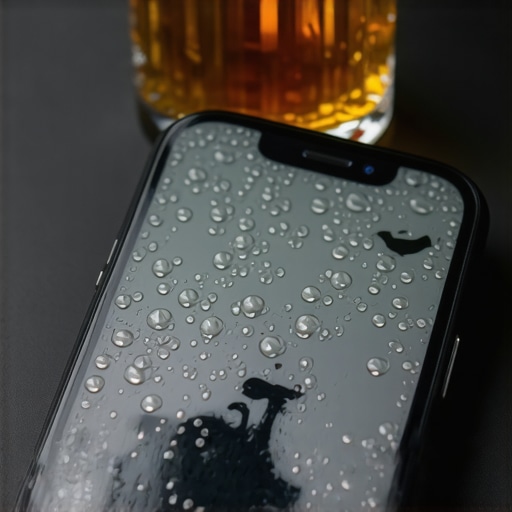
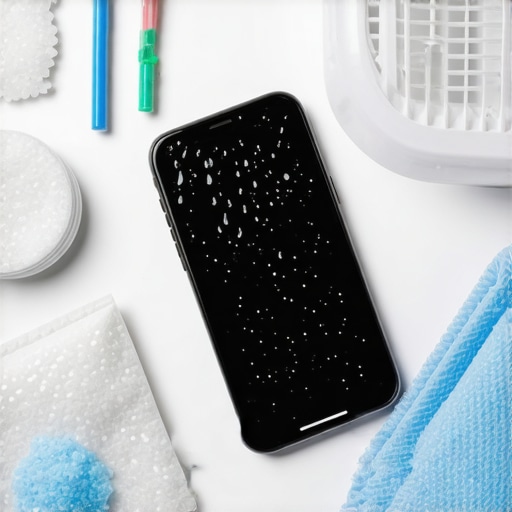
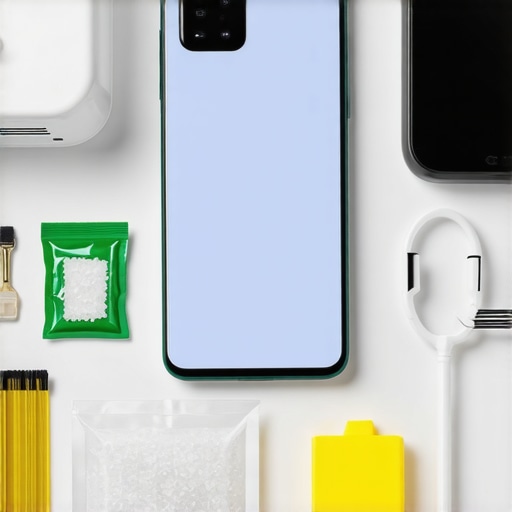
I recall a specific incident where a homeowner called me in a panic because their new windows were ‘sweating’ during a brutal Minneapolis winter. I walked in with my hygrometer and showed them the humidity was 60 percent. It was not the windows; it was their lifestyle: boiling pots of water and lack of ventilation. They expected the glass to perform a miracle, but the physics of the dew point dictated otherwise. When your phone gets wet, you are facing a miniature version of this condensation crisis. The air inside the phone has reached saturation. To dry it out, you do not need rice: you need a controlled environment with a higher vapor pressure differential. In the glazing world, we use warm-edge spacers filled with molecular sieve desiccants. These are far more powerful than rice. If you want to dry a phone, you should place it in a sealed container with several 50-gram silica gel packets. This creates a dry ‘micro-climate’ that actually pulls the water molecules out of the device’s ‘Sash’ and ‘Sill Pan’ areas through the process of adsorption.
Thermal Physics and the Northern Climate
Because we are operating in a cold climate context, the enemy is Heat Loss and the resulting Condensation. In a Minneapolis winter, the U-Factor of your glass is king. A lower U-Factor means less heat is escaping, which keeps the interior surface of the glass above the dew point. When your mobile device is exposed to these extreme temperature swings, the air inside expands and contracts. This ‘pumping’ action can pull moist air through a tiny ‘Glazing Bead’ or a chip in the glass. If you are looking for a same-day fix, you need to address the seal. For our windows, we use Low-E coating on Surface #3 to reflect heat back inside, maintaining a warmer glass temperature. For a phone, once the moisture is removed via silica gel, you must address the breach. A professional chip repair uses a high-viscosity resin that mimics the refractive index of the glass while restoring the moisture barrier. This is the only way to prevent a repeat of the ‘sweating’ internal components.
“The presence of moisture within the cavity of an insulating glass unit is a definitive sign of seal failure.” – NFRC Performance Manual
The Anatomy of a Proper Seal
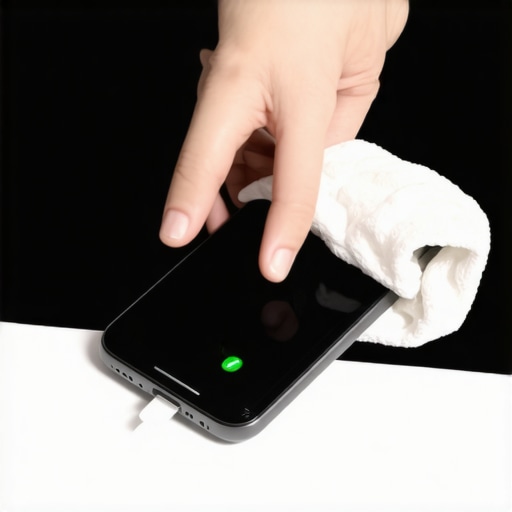
When I perform an installation autopsy on a failed window, I often find that the ‘Shingle Principle’ was ignored. Water must always flow down and out. This is why we use ‘Weep Holes’ in window frames and ‘Sill Pans’ to catch and redirect any ingress. Your phone does not have a weep hole. Once water enters, it is trapped. The ‘mobile service’ technician who understands glazing science will tell you that the trick is not just drying, but Ensuring the ‘Flashing Tape’ (or the electronic adhesive equivalent) is intact. If you have an ‘Operable’ part of your device, like a SIM tray, that is your primary point of failure. Instead of rice, use a vacuum to gently lower the pressure, which also lowers the boiling point of the water inside, allowing it to evaporate at room temperature. This is the ‘Glass Class’ approach to electronics. Do not rely on grocery store grains; rely on the math of the NFRC and the precision of a master installer. If you have a chip or a crack, get a professional glass installer to seal it immediately. Same-day service is not a luxury; it is a necessity to prevent the ‘muntin’ of your device’s internal frame from oxidizing. Water management is a science, not a culinary hack.
[IMAGE_PLACEHOLDER]
Why the Installer Matters More Than the Sticker
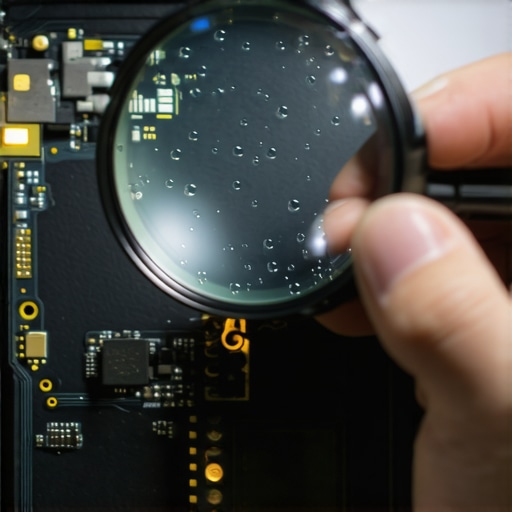
You can buy the most expensive phone or the highest-rated triple-pane window with Argon gas fills and krypton-enhanced spacers, but if the person putting it together does not understand the ‘Rough Opening’ tolerances, you are wasting your money. In my 25 years, I have seen ‘Tin Man’ salesmen promise the world, but they do not know a ‘Shim’ from a ‘Sash’. Real recovery of a water-damaged device requires a technical understanding of capillary action. Water travels through the smallest gaps via surface tension. Rice cannot break that tension. Only time, desiccants, and occasionally a low-heat vacuum chamber can. Next time your device takes a swim, remember the glazier’s creed: manage the water, respect the dew point, and never trust a temporary fix for a structural problem. Get the chip repaired, ensure the seals are hermetic, and leave the rice in the kitchen.