The specific resin that stops a windshield crack from spreading
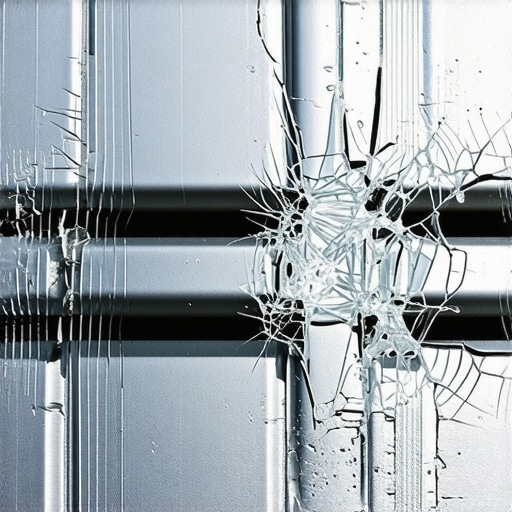
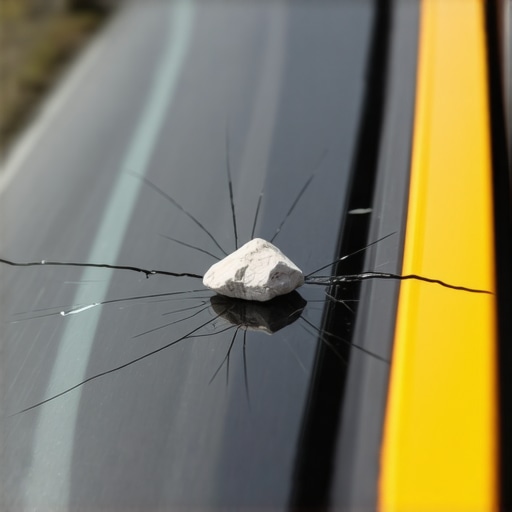
The sound is unmistakable: a sharp ‘crack’ as a piece of road debris strikes your windshield. For most, it is a nuisance. For a master glazier with 25 years in the trade, it is the beginning of a mechanical failure in a complex laminate system. I have spent decades dealing with glass under tension, from high-rise curtain walls to the precisely engineered safety glass of a modern vehicle. I remember pulling a windshield out of a late-model sedan in Chicago where the owner had tried a home-kit repair during a cold snap. The resin hadn’t bonded to the PVB interlayer, and moisture had seeped into the laminate. The rough opening of the frame was already showing signs of oxidation because the previous glass installer had skipped the essential primer, relying on a ‘caulk-and-walk’ mentality that ignores the physics of glass. When you understand the molecular nature of the specific resin that stops a windshield crack from spreading, you realize why same-day mobile service is not just about convenience; it is about stopping thermal expansion before it destroys the structural integrity of the glazing.
The Molecular Science of Chip Repair Resins
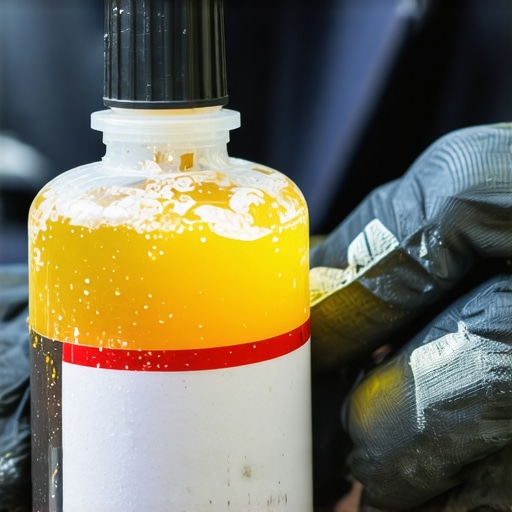
The ‘magic’ behind a successful chip repair is not magic at all; it is a matter of refractive index matching and tensile strength. Most high-grade resins used by a professional glass installer are anaerobic acrylics, specifically formulated to flow into the microscopic fissures of a star-break or bullseye. The specific resin used is often a Bisphenol A Glycidyl Methacrylate, chosen for its ability to match the refractive index of soda-lime glass, which sits at approximately 1.52. This is why the chip appears to disappear; the light no longer reflects off the air trapped in the crack but passes through the resin as if it were solid glass. This resin must have an ultra-low viscosity, often measured in centipoise (cP). In cold climates like Minneapolis or Chicago, we use a thinner resin (around 10-20 cP) to ensure it reaches the tip of every crack through capillary action.
“Installation is just as critical as the window performance itself. A high-performance window installed poorly will fail.” – AAMA Installation Masters Guide
This principle applies equally to automotive glass. If the resin does not fully displace the air, the repair is purely cosmetic and will fail under the first sign of thermal stress.
Thermal Expansion and the North/Cold Logic
In northern climates, the primary enemy of glass is the defrost cycle. When the exterior temperature is 5 degrees and you blast the defroster on a windshield with a chip, you are creating a massive thermal gradient. The glass on the inside expands while the glass on the outside remains contracted. This creates a shearing force at the point of the chip. A professional mobile service technician understands that the U-Factor of the glass is compromised the moment that chip occurs. The specific resin used must have a coefficient of thermal expansion (CTE) that closely mirrors the glass itself. If the resin is too rigid, it will pop out as the glass flexes. If it is too soft, it won’t provide the structural reinforcement needed to stop the crack from ‘running.’ We look at the glass as an operable system, much like a window sash. It must handle the vibration of the road and the pressure of the wind without the structural bead failing.
The Mechanical Process of Mobile Service
When a professional glass installer arrives for a same-day repair, the process is methodical. It isn’t just ‘dropping glue in a hole.’
“Properly executed field repairs must restore the structural integrity of the glazing assembly to prevent further propagation of defects.” – ASTM E2112 Standard Practice
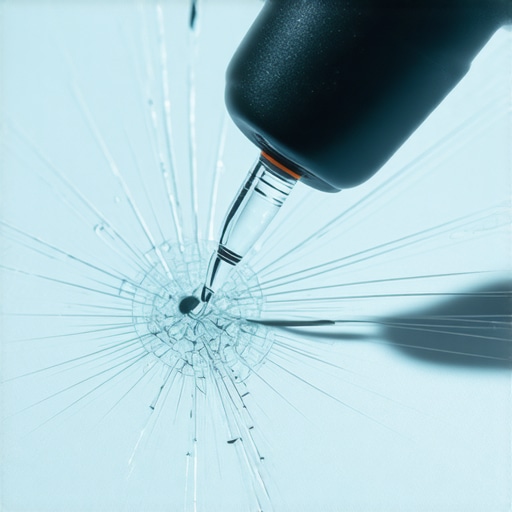
First, the technician uses a bridge and injector tool to create a vacuum. This is critical. You must remove the air and moisture from the rough opening of the chip. Without a vacuum cycle, the resin is just sitting on top of an air pocket. Once the vacuum is established, the technician switches to a pressure cycle, forcing the specific resin deep into the break. This is where the glazing bead of the resin meets the PVB (polyvinyl butyral) interlayer. The resin must chemically bond to this plastic layer to truly stop the spread. Finally, the resin is cured using a specific UV wavelength, typically 365nm. This triggers a cross-linking polymerization that turns the liquid resin into a hard, clear solid in minutes, allowing for same-day mobile service that is as durable as a shop-based repair.
Why You Cannot Wait: The Physics of Contamination
Every hour a chip is left open to the elements, it collects road salt, washer fluid, and microscopic dust. This contamination prevents the resin from wetting the surface of the glass at a molecular level. Think of it like trying to apply flashing tape to a wet sill pan; it just won’t stick. The specific resin that stops a windshield crack from spreading is hydrophobic, but it cannot displace existing water that has already been pulled in by capillary action. This is why mobile service is the gold standard. By getting a technician to your location the same day the damage occurs, you ensure the fracture is clean. In my years as a glazier, I’ve seen muntin bars and shims fail because of water bypass, and a windshield is no different. If moisture reaches the laminate, you get delamination, which looks like a milky white fog around the edges of the glass. At that point, the glass is no longer safe, and no amount of resin will fix it.
The Math of Repair vs. Replacement
Many homeowners ask about the ROI of a repair. If you catch a chip early, the cost is a fraction of a full replacement. But it’s not just about the money; it’s about the factory seal. When we install a new windshield, we are essentially recreating a structural bond that was originally done by a robot in a controlled environment. A chip repair allows you to keep that original factory seal intact, which is always preferable. Just as you wouldn’t replace an entire window frame if only the glazing bead was damaged, you shouldn’t replace a windshield if the structural resin can restore it. Don’t listen to the high-pressure sales pitches that tell you every chip is a catastrophe; but don’t ignore the science of the spread either. The resin works, provided the installer knows the difference between a surface pit and a structural fracture.