The difference between a pit and a crack in your glass
The Anatomy of Glass Failure: Why Your Impact Point is a Ticking Time Bomb
As a master glazier with over two and a half decades in the trade, I have seen it all. I have stood on hanging stages forty stories up and I have worked on historic residential restorations where the glass was still wavy from the early 1900s. One thing remains constant: glass is a liquid that thinks it is a solid, and it is under constant internal stress. When a stone hits your window or windshield, you are not just looking at a cosmetic blemish. You are looking at a localized disruption of the tension and compression layers that hold that glass together. Most people see a small mark and ignore it, but as someone who understands the molecular structure of annealed and tempered glass, I see a structural failure waiting for the right thermal trigger to explode.
The Narrative: A Mobile Service Autopsy
I remember a call I received in the middle of a brutal February in Chicago. A homeowner had a small pit in their high-performance patio door. They called it a ‘speck.’ I told them they needed a glass installer immediately for a chip repair before the temperature dropped further. They waited. That night, the temperature plummeted to five degrees. They cranked their indoor heat, and the thermal gradient across that glass became too much. The ‘speck’ didn’t just grow; it migrated across the entire pane in a jagged lightning bolt. I pulled that sash out the next day and found that the previous installer had failed to use a proper sill pan or allow for the rough opening tolerances required for expansion. The glass was pinched, the pit acted as a stress concentrator, and the laws of physics did the rest. The frame was rigid, the glass wanted to move, and the pit gave it a place to break.
“Installation is just as critical as the window performance itself. A high-performance window installed poorly will fail.” AAMA Installation Masters Guide
Defining the Pit: The Compression Layer Breach
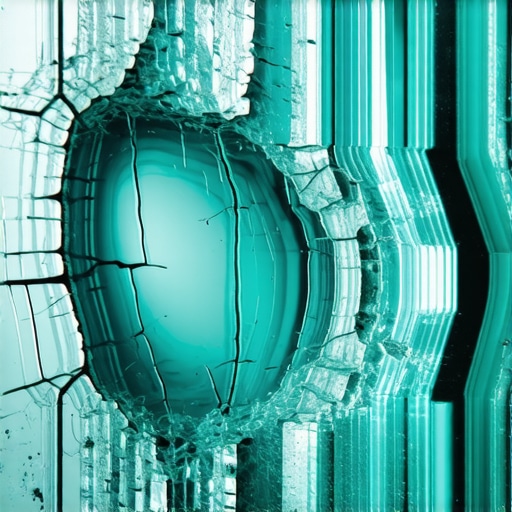
To understand the difference between a pit and a crack, you have to understand how glass is made. Most modern glass is float glass, created by floating molten silica over a tin bath. When we talk about a pit, we are talking about a localized loss of material. An object has struck the surface and knocked out a small ‘cup’ of glass. In the world of mobile service repair, this is the best-case scenario if handled quickly. The pit usually only affects the outer compression layer. Because glass is incredibly strong under compression but weak under tension, a pit is relatively stable as long as no moisture or dirt enters the void. However, if you leave that pit exposed, hydraulic pressure from rain or the expansion of freezing water will drive that pit deeper, eventually reaching the tension zone of the glass.
The Crack: When Tension Takes Over
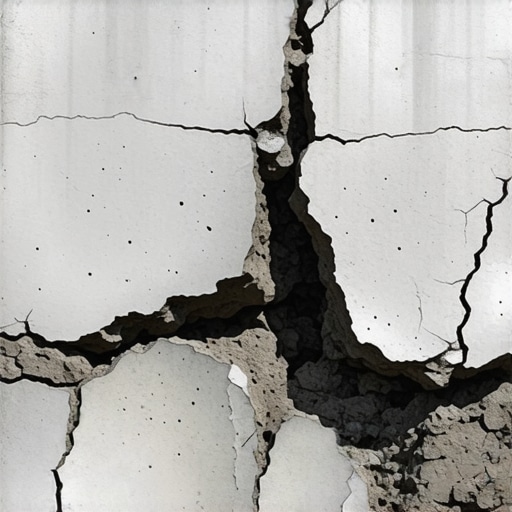
A crack is a different animal entirely. A crack means the fracture has bypassed the surface compression and has entered the inner tension layer of the glass ribbon. Once a fracture enters the tension zone, it is no longer a localized issue; it is a structural failure. This is why same-day service is not just a marketing slogan; it is a technical necessity. A crack is influenced by the ‘coefficient of thermal expansion.’ In cold climates, the interior of the glass is trying to stay warm and expand, while the exterior is contracting. This tug-of-war occurs right at the tip of the crack. Without a professional chip repair involving high-refractive-index resin, that crack will continue to propagate until it hits a glazing bead or the edge of the frame.
Thermal Logic: Why Northern Climates Kill Glass
In regions like Minneapolis or Chicago, the enemy is Heat Loss and Condensation. When we analyze glass performance, the U-Factor is king. A lower U-Factor means better insulation, but it also means a higher temperature differential between the inner and outer panes of a dual-sealed unit. If you have a small pit on the exterior lite of a triple-pane unit, the thermal stress is magnified because the inner panes are keeping the heat so effectively. This creates a massive ‘thermal shock’ zone at the impact point. We use warm-edge spacers to mitigate this at the edges, but in the center-of-glass, you are at the mercy of the glass’s own internal strength. If that strength is compromised by a pit, the operable sash becomes a liability every time it is slammed or even moved.
“Glazing systems must be designed to withstand the anticipated thermal and wind loads of their specific environment to prevent premature fracture.” ASTM E2112 Standard Practice
The Mobile Repair Process: Resin and Refractive Indexing
When a technician performs a chip repair, they are not just ‘filling a hole.’ They are performing a delicate vacuum-pressure cycle. First, we clear the weep holes and ensure the glass is dry. Then, we use a bridge tool to create a vacuum over the pit, drawing out the air that is trapped in the microscopic fissures. We then inject a specialized resin that has the same refractive index as the glass. This means that once cured with UV light, the light passes through the repair at the same speed and angle as the surrounding glass, making it nearly invisible and, more importantly, restoring the structural integrity. We don’t use shims or flashing tape on the glass itself, but the precision required is just as high as any rough opening preparation. We are essentially ‘welding’ the glass back together at a molecular level.
Framing the Solution: Why Material Matters
The frame holding your glass dictates how much stress a pit will undergo. A vinyl frame has a high rate of expansion and contraction, often putting more pressure on the glazing bead. Fiberglass is much more stable, but it is also more rigid, meaning it doesn’t ‘give’ when the glass expands. If you have a wood sash, moisture can cause the wood to swell, putting uneven pressure on the glass. In all these cases, a glass installer must ensure that the glass is ‘floating’ within the frame on setting blocks. If the glass is ‘hard-set’ (touching the frame directly), even a tiny pit will turn into a crack the moment the building shifts or the wind blows. This is why professional installation and immediate repair are the only ways to avoid a full-pane replacement. Do not listen to anyone who suggests a ‘DIY’ kit for anything larger than a pinhead. The resins in those kits often yellow over time and lack the structural bond strength to handle North/Cold thermal cycles. Buy the professional service, not the marketing hype. A quality repair is an investment in the longevity of your thermal envelope.