Why your windshield wipers are skipping over a new repair
The Frustration of the Stuttering Blade
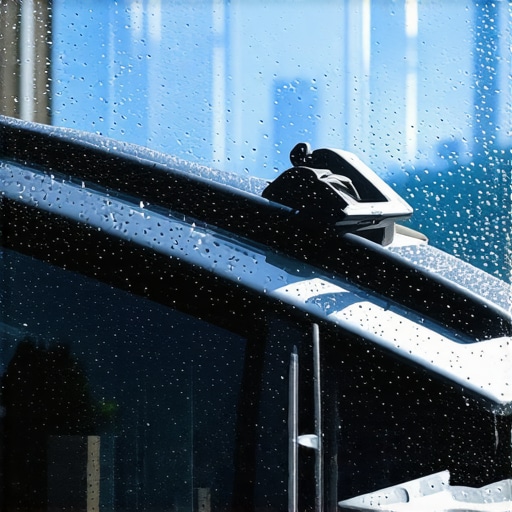
You just left a mobile service appointment for a same-day chip repair, expecting your glass to be as functional as it was before the rock hit. Instead, the first time it rains, your windshield wipers hit that specific spot and jump, chatter, or skip. As a glazier with over 25 years of experience handling everything from high-performance curtain walls to delicate residential sash replacements, I can tell you that a skipping wiper is the glass equivalent of a poorly shimmed window frame. It is a symptom of a technical failure in surface levelness and resin curing. When a glass installer performs a repair, they are not just filling a hole; they are attempting to reconstruct the molecular plane of a silicate surface. If the repair is even a few microns higher than the surrounding glass, or if the resin has not reached the correct Shore D hardness, the EPDM rubber of your wiper blade will catch on the edge, causing that rhythmic thud that drives drivers mad.
The Narrative Matrix: The Condensation Crisis and Surface Prep
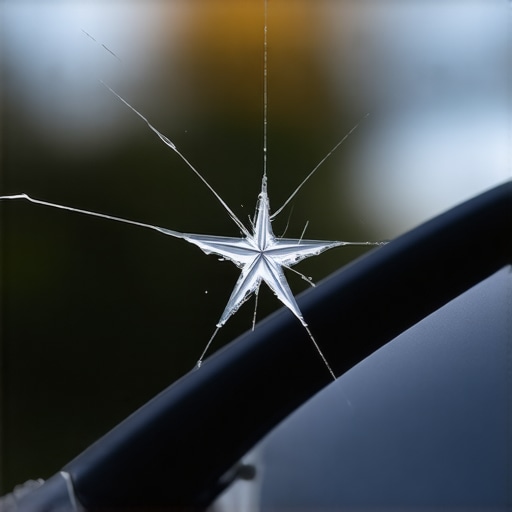
A homeowner once called me in a panic because their new windows were ‘sweating’ and ‘failing’ within a week of installation. I walked in with my hygrometer and showed them the humidity was 60%. It wasn’t the windows; it was their lifestyle and the lack of mechanical ventilation. I bring this up because the same logic applies to chip repair. If a mobile service technician attempts to inject resin into a break while the glass temperature is below the dew point, or while there is microscopic moisture trapped in the star-break, the bond will be compromised. In my years of experience, I have seen ‘technicians’ ignore the ambient moisture levels, leading to a repair that looks clear initially but eventually ‘blooms’ or creates a surface hump. Just as that homeowner didn’t understand the relationship between air temperature and water vapor, many installers don’t respect the relationship between humidity and resin adhesion. If there is moisture in the rough opening of the chip, the resin will never sit flush, and your wipers will pay the price.
“Installation is just as critical as the window performance itself. A high-performance window installed poorly will fail.” – AAMA Installation Masters Guide
The Science of the Surface: Why skipping happens
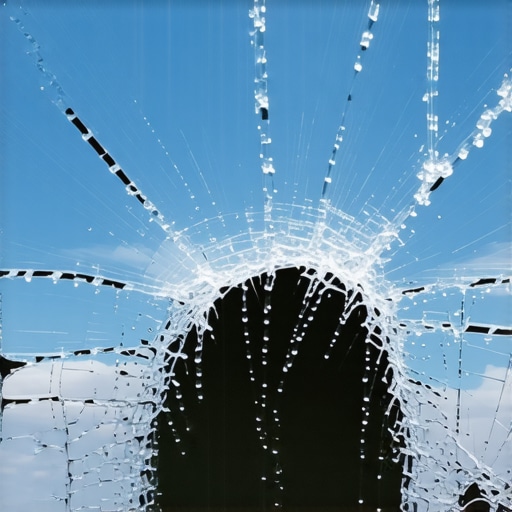
To understand why your wipers are skipping, we must analyze the ‘pit filler’ used in the final stage of chip repair. Glass is a remarkably flat material, often measured in nanometers of deviation. When a rock hits, it creates a crater. The glass installer fills the structural cracks with a low-viscosity resin and then caps it with a high-viscosity pit filler. This filler is designed to be harder and more resistant to environmental degradation. However, if the technician is in a rush to complete the same-day service, they may not scrape the excess resin perfectly flush with a fresh razor blade. Laminar flow is the goal here. As the wiper blade moves across the glass, it relies on a microscopic film of water to glide. A protrusion of resin, even one invisible to the naked eye, breaks that film, causing the rubber to grab the resin and ‘skip’ over the surface. This is why the precision of the scraping and polishing phase is non-negotiable.
Climate Context: The North/Cold Struggle
In colder regions like Chicago or Minneapolis, the physics of a chip repair change significantly. We focus heavily on the U-Factor in residential windows because heat loss is the enemy. In auto glass, the enemy is thermal expansion and contraction. Glass has a very low coefficient of thermal expansion, but the resins used in same-day repairs are polymers, which expand and contract much more than the glass itself. In January, the glass shrinks, and the resin ‘puckers.’ If the repair wasn’t performed with a resin specifically formulated for low-temp stability, the repair site becomes a speed bump for your wipers. Furthermore, cold weather makes wiper blades stiffer. A soft, warm blade might glide over a slight imperfection, but a frozen, stiff blade will chatter violently against any irregularity in the glazing bead of the repair site. This is why proper curing under a UV lamp is essential; if the resin is under-cured due to the technician trying to beat the cold, it remains slightly tacky, increasing friction against the wiper.
“The integrity of the building envelope depends on the precise execution of every interface between materials.” – ASTM E2112 Standard Practice
Technical Breakdown: From Sill Pans to Pit Fillers
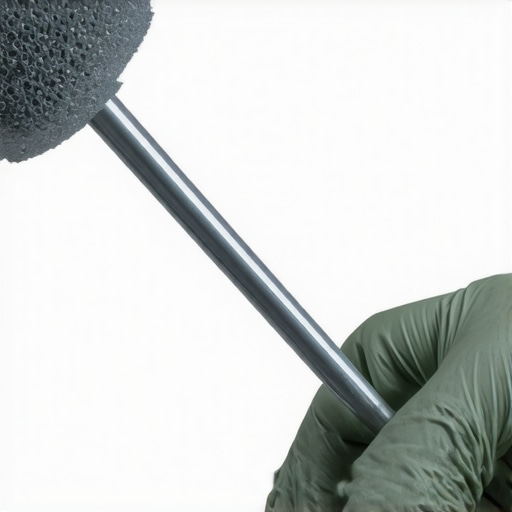
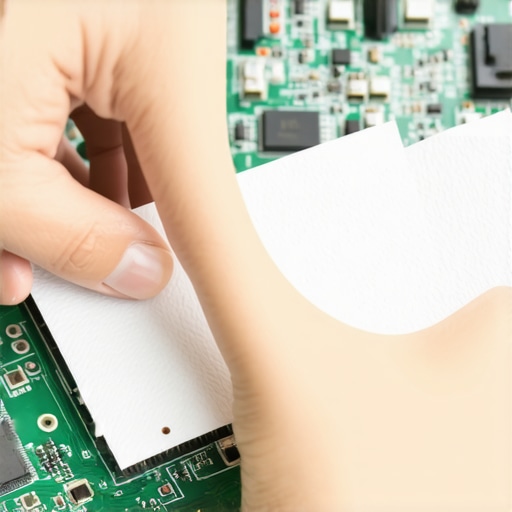
In architectural glazing, we use a sill pan to ensure water is managed even if the primary seal fails. In a chip repair, the pit filler acts as the primary seal against the elements. If the glass installer does not ensure the repair is ‘operable’ in terms of its interaction with the wipers, they have failed the installation. You should check for weep hole blockages in your vehicle’s cowl as well, as standing water can exacerbate wiper issues, but the primary culprit for skipping after a repair is almost always the ‘overfill.’ A professional should use a cork polishing wheel and cerium oxide to buff the repair site until it is indistinguishable from the surrounding silicate. If they simply ‘drop and scrape,’ you are left with a jagged microscopic edge. A true master understands that whether you are installing a muntin in a historic window or filling a bullseye on a windshield, the tolerances are what define the quality. If the rough opening of the chip was not properly cleaned of glass shards before the injection, those shards can sit at the surface, creating a rasp-like effect on your wiper blades.
The Math: Why ROI in Repair is About Precision
Many people opt for mobile service because it is convenient, but you must ensure the technician is not a ‘caulk-and-walk’ installer. The return on investment for a chip repair isn’t just about saving the cost of a new windshield; it’s about maintaining the safety and visibility of your vehicle. A skipping wiper is a distraction that can lead to accidents in heavy rain. Just as we explain to homeowners that triple-pane glass is about comfort rather than just energy savings, a proper same-day repair is about the comfort of a clear, silent field of vision. Don’t accept a repair that chatters. Demand that the technician uses a high-grade resin that matches the refractive index of your glass and finishes the surface with the same care I would use when setting a large-scale operable sash. The physics of glass don’t change just because the pane is in a car instead of a house. Precision, temperature control, and surface levelness remain the holy trinity of the glazing trade.