How to verify your technician is actually certified
The Illusion of the Mobile Glass Expert
In the world of glass installation and repair, a clean van and a professional looking uniform are often mistaken for competence. I have spent over twenty five years in the glazing industry, and I have seen the aftermath of the caulk and walk installers who think a mobile service is just about speed. When you search for a same-day glass installer, you are often at the mercy of the low bidder. But glass is a structural component of your home or vehicle. It is a technical barrier that manages thermal transfer and structural integrity. Verifying certification is not just about checking a card; it is about understanding the physics of the glass itself.
The Condensation Crisis: A Lesson in Technician Failure
A homeowner recently called me in a total panic. They had hired a mobile service for a same-day glass replacement on a large fixed sash window. Within a week, the new unit was sweating profusely between the panes. I walked in with my hygrometer and a thermal imaging camera. The technician had not only failed to check the humidity levels, but they had also ignored the weep hole alignment in the frame. They had essentially sealed a moisture trap against the rough opening. I had to explain that the windows weren’t defective; the installation was a disaster of physics. The previous installer had skipped the essential step of verifying the glazing bead seating, which allowed ambient moisture to bypass the primary seal. This is why certification matters: a certified pro understands that the dew point isn’t just a weather report; it is a limit that dictates how and when we set glass.
“Installation is just as critical as the window performance itself. A high-performance window installed poorly will fail.” AAMA Installation Masters Guide
The Science of the Chip Repair
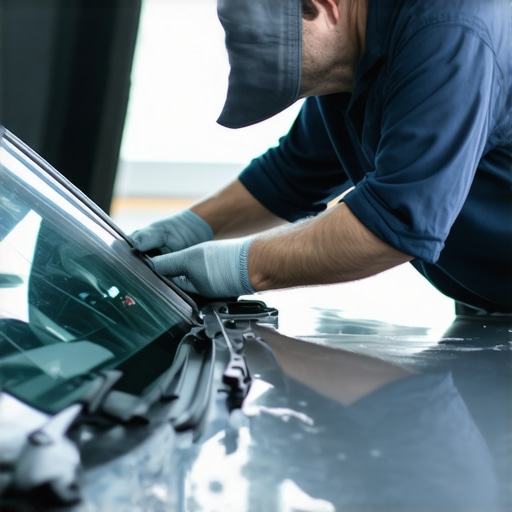
When we talk about chip repair, we are dealing with the molecular tension of the glass. A mobile service technician should be able to explain the refractive index of the resin they are using. If they cannot tell you why they are using a specific viscosity for a star break versus a bullseye, they are not a specialist; they are an amateur with a kit. In northern climates, the thermal shock of a repair is a major factor. If a technician applies a high-viscosity resin to a cold windshield without proper pre-heating, the resin will fail to penetrate the micro-fissures. This leads to a structural failure as soon as the defrost hits the glass in January. A certified glass installer understands that the U-Factor of the glass affects how it expands and contracts under UV curing lamps.
The North Climate Reality: Why U-Factor Rules
For those of us working in colder regions, the enemy is heat loss and the subsequent condensation that rots out a wooden sash or a window frame. A certified technician knows that a Low-E coating must be positioned on surface number three to reflect heat back into the building. If they flip the glass, they are effectively turning your home into a refrigerator. This level of detail is what separates a certified glazier from a general handyman. We look at the warm-edge spacers not as a luxury, but as a necessity to prevent the thermal bridging that causes perimeter icing on the interior of the glass.
“Standard practice for installation of exterior windows, doors and skylights requires specific attention to the air and water barrier continuity.” ASTM E2112
How to Audit Your Technician on Site
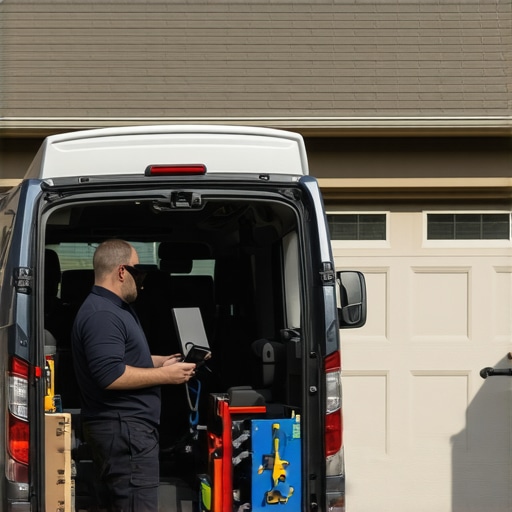
When the mobile service van pulls up, you need to look for specific indicators of professional certification. First, ask about their vacuum cycle process for chip repair. A true professional uses a bridge and injector system that can pull a true vacuum to remove air from the break before injecting resin. If they are just using a syringe and a prayer, send them away. Second, check their flashing tape and sealant inventory. If they are using a generic silicone for every application, they are ignoring the chemical compatibility requirements of the glazing bead and the sill pan. A certified technician will have a variety of sealants, each chosen for its elongation properties and its ability to bond with the specific frame material, whether it is vinyl, fiberglass, or wood.
The Anatomy of a Professional Installation
A proper glass installer does not just slap glass into a hole. They check the rough opening for square, level, and plumb. They use a shim strategy that ensures the weight of the glass is distributed across the sill without compressing the frame. They ensure that the sill pan is properly integrated with the house wrap to create a shingle principle where water is always directed outward. If you do not see them checking the weep hole functionality, they are setting you up for a future rot repair. Verification of certification is your only defense against the long-term structural damage caused by improper water management. Real glazing is a science of managing the invisible forces of air pressure and thermal movement. Do not settle for a same-day fix that leads to a decade-long headache.