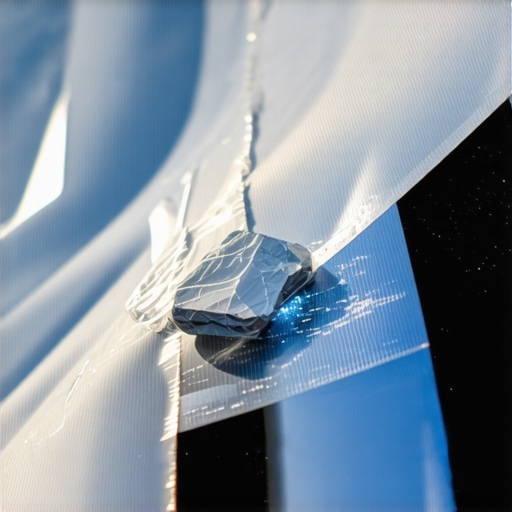
How to stop a rock chip from spreading using clear tape
The Anatomy of Glass Failure: Why That Chip Won’t Wait
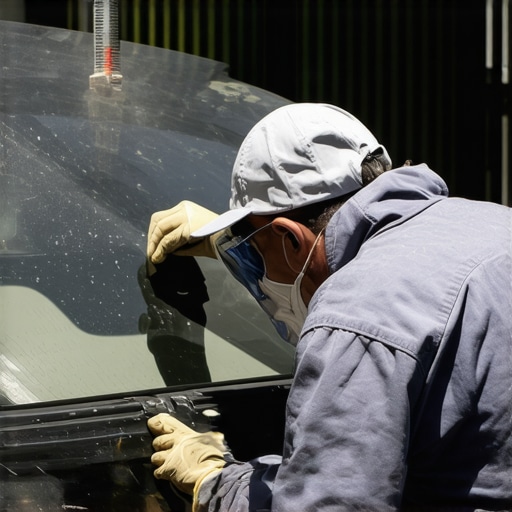
I have spent over twenty-five years in the glazing industry, handling everything from the installation of triple-pane architectural units to the precision repair of high-impact laminated glass. One thing I can tell you with absolute certainty: glass is a liquid that thinks it is a solid, and it is under constant internal stress. When a rock hits your windshield or a window, it creates a fracture point that acts as a stress concentrator. You might see a tiny star or a bullseye, but what I see is a structural failure waiting for a temperature change to finish the job. This is not just about aesthetics; it is about maintaining the integrity of the silicate bond. A homeowner called me in a panic because their tiny pinhead chip became a jagged vein across the glass after they turned on the defroster on a frosty morning. I walked in with my hygrometer and showed them the humidity levels and the temperature differential. It was not the glass quality that failed; it was the physics of thermal expansion. The glass was fighting itself, and the chip was the weakest link. In this guide, we are going to look at the immediate triage of using clear tape to save your glass before you can call a mobile service for a professional same-day repair.
“Installation and maintenance are just as critical as the glass performance itself. A high-performance glazing unit that is compromised by unmanaged fractures will fail regardless of its initial ratings.” AAMA Installation Masters Guide (Adapted)
The Physics of the Clear Tape Fix
Why do we use clear tape? It is not to hold the glass together. No adhesive on a roll of office tape has the tensile strength to resist the flexing of a glass pane in a frame or a vehicle. The tape serves a singular, technical purpose: the prevention of contamination. When a rock chip occurs, it creates a microscopic crater. Over time, road salt, rain, washer fluid, and dust find their way into that crater. Once those particulates are embedded in the laminate, they are nearly impossible to remove. This prevents the repair resin from bonding properly with the glass. If I show up as your glass installer and find a chip filled with wax from a car wash, the repair will never be invisible. By applying clear tape immediately, you are keeping the rough opening of the fracture clean. This allows for a successful resin injection later. Think of the tape as a sterile bandage on a wound. It does not heal the cut, but it prevents the infection that makes the healing impossible.
The Glazing Zooming: Molecular Stress and Thermal Bridges
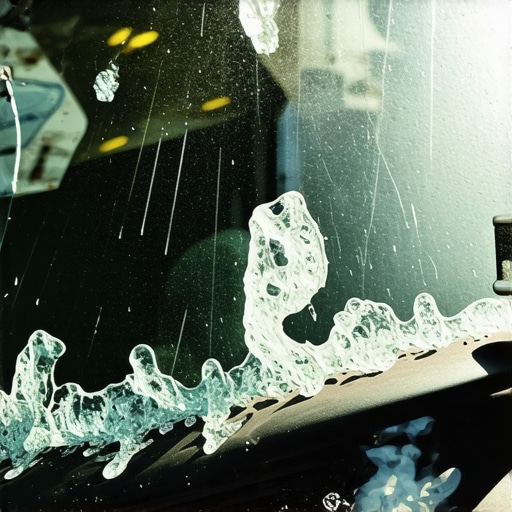
Let us look closer at the glazing bead and the sash. In architectural windows, the glass is held in place by a glazing bead that manages the pressure against the frame. In automotive or high-impact glass, we are dealing with a sandwich: two layers of glass with a Polyvinyl Butyral (PVB) interlayer. When a rock hits, it usually only damages the outer layer. However, the air trapped in that chip is a different density than the glass. This creates a thermal bridge. If the sun hits the glass, the air in the chip heats up faster than the surrounding silicate. This expansion pushes against the fractured edges. This is why a chip often turns into a crack during the heat of the day or the cold of the night. Using clear tape helps slightly by insulating that air pocket, but more importantly, it prevents moisture from entering. Water is the enemy. If water gets into the chip and freezes, the expansion force is nearly 114,000 pounds per square inch. That is more than enough to shatter even the strongest glazing.
The Correct Tape Application Protocol
Not all tape is created equal. You must use clear packing tape or standard transparent office tape. Do not use duct tape, masking tape, or electrical tape. These tapes use a rubber-based adhesive that leaves a thick residue inside the fracture. That residue is a nightmare for a glass installer to clean. To apply the tape correctly, you must first ensure the surface is dry. Do not use glass cleaner! Glass cleaners contain surfactants and oils that will seep into the crack and ruin the bond for the future resin. Simply wipe the area with a dry, lint-free cloth. Apply a single piece of clear tape over the chip. Do not press down hard directly on the center of the chip, as you might cause the crack to spread. Instead, smooth the edges of the tape to create a moisture-proof seal. This same-day intervention is the difference between a simple chip repair and an expensive full-glass replacement.
“The primary goal of field-applied glass protection is the mitigation of environmental contaminants that compromise the refractive index of the final repair.” ASTM E2112 Standard Practice Context
Climate Context: Why Your Location Matters
If you are in a cold climate like Chicago or Minneapolis, the enemy is the defroster. When you blast heat onto a frozen windshield with a rock chip, you are creating a massive thermal shock. The glass at the bottom of the sash expands while the top remains contracted. The chip, located in the middle of this tug-of-war, will almost certainly run. In hot climates like Phoenix or Miami, the solar heat gain (SHGC) is the issue. The glass can reach temperatures upwards of 150 degrees Fahrenheit. If you hit a pothole, the vibration combined with the softened PVB interlayer and the thermally expanded glass will cause the chip to fail. In coastal areas, salt spray is the primary contaminant. The sodium chloride will eat away at the edges of the glass fracture, making the eventual repair look cloudy. This is why a mobile service is so vital; you need the repair brought to you before the climate can destroy the glass.
The Professional Repair Process: Beyond the Tape
When the glass installer arrives for the chip repair, they will remove your tape and evaluate the damage. The professional process involves a vacuum pump that attaches to the glass over the rough opening. This tool sucks the air out of the fracture. Then, a high-refractive-index resin is injected. This resin is designed to match the optical properties of the glass exactly. After the resin fills every microscopic crevice of the star or bullseye, it is cured with a specific wavelength of Ultraviolet (UV) light. Finally, the excess resin is scraped off with a razor, level with the glazing surface. If you did your job with the tape, this repair should be 95 percent invisible. If you didn’t, you might be looking at a replacement that involves pulling the entire sash or removing the bonded glass from the frame, which involves shims, sill pans, and new flashing tape to ensure the weather barrier is maintained.
Why Same-Day Service is Non-Negotiable
Waiting even forty-eight hours to address a rock chip is a gamble. Every time the vehicle or the building vibrates, the crack moves. Every time it rains, the crack breathes in moisture. A mobile service that offers same-day repair is the gold standard for a reason. They understand that glass is in a constant state of flux. If you wait, the cost of the repair escalates from a minor service fee to a full-blown replacement of the operable or fixed unit. The structural integrity of the glass is what keeps you safe in a rollover or keeps your home sealed against the elements. Do not treat a chip as a cosmetic issue; treat it as a structural failure that requires immediate stabilization. Use the tape, skip the car wash, and call a professional who understands the difference between a temporary bandage and a permanent structural bond.