How to tell if your windshield resin has fully cured
Understanding the Molecular Bond: Why Curing Matters
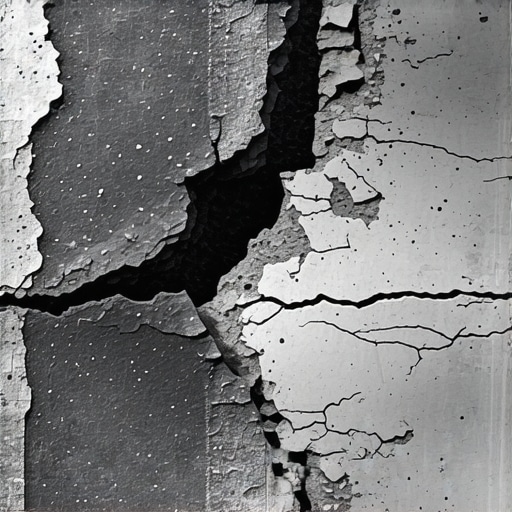
As a master glazier with a quarter-century in the trade, I look at a windshield differently than most. To the average driver, it is a piece of transparent protection; to me, it is a complex structural component, a laminated sandwich of glass and polyvinyl butyral (PVB) that must withstand immense wind pressure and thermal stress. When you seek a chip repair, you are not just filling a hole; you are performing a surgical restoration of the structural integrity of that glass. The success of this procedure hinges entirely on the polymerization of the resin. If that resin does not reach a full cure, the structural bond is compromised, and the ‘rough opening’ created by the rock impact will eventually spider-web across your entire field of vision.
The Condensation Crisis: A Narrative of Failed Cures
A homeowner called me in a panic because their new windows were ‘sweating.’ I walked in with my hygrometer and showed them the humidity was 60%. It wasn’t the windows; it was their lifestyle. I see this same phenomenon in automotive glass. I once encountered a driver who had a mobile service glass installer perform a same-day repair during a humid, overcast morning in a coastal region. Two days later, the repair turned milky and the crack began to extend. The installer had ignored the dew point. Moisture had microscopic presence inside the break, and the UV lamp used was insufficient to penetrate the humidity-heavy air. The resin looked dry on the surface, but the core was still a viscous liquid. This is why understanding the environment is as critical as the resin itself. In architectural glazing, we worry about how a sill pan manages water, but in windshield repair, we worry about how a single molecule of water can prevent resin from ever reaching its Shore D hardness.
“Installation is just as critical as the window performance itself. A high-performance window installed poorly will fail.” – AAMA Installation Masters Guide
The Physics of UV Polymerization
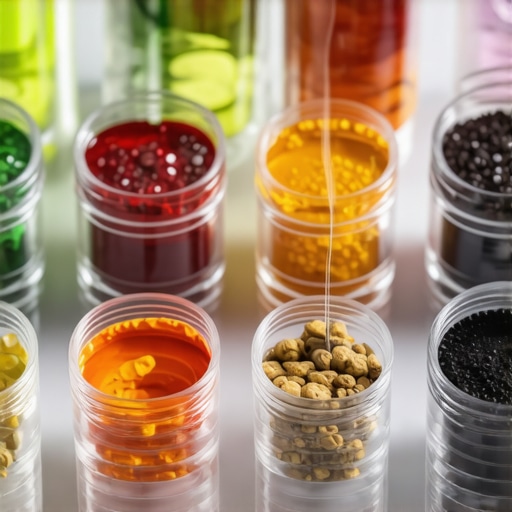
Windshield resin is a specialized monomer that remains in a liquid state until it is exposed to specific wavelengths of ultraviolet (UV) light, typically in the 365nm range. This triggers a chemical reaction where the molecules cross-link into a solid polymer. When you are looking for a glass installer, you are looking for someone who understands that this is not a ‘dry time’ like paint; it is a ‘cure time’ like epoxy. The refractive index of the cured resin must match the glass (approximately 1.52) to make the repair disappear. If the cure is incomplete, the refractive index stays slightly off, leaving a shimmering ‘ghost’ in the glass.
The Technical Checklist: How to Verify the Cure
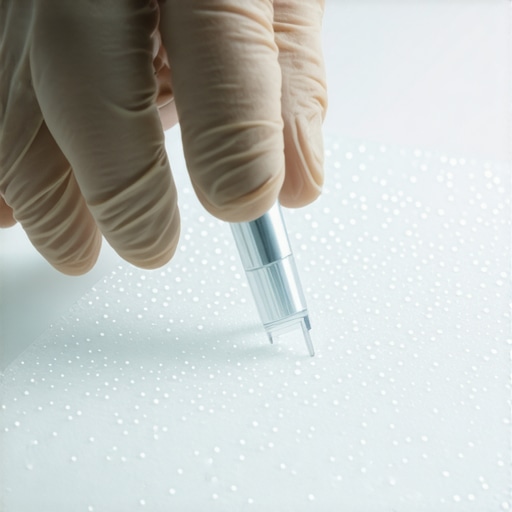
How do you know if the job is done? First, look at the ‘Pit.’ This is the point of impact. A fully cured pit should be hard enough to resist a steel probe. If you press a scribe against the center of the repair and it feels even slightly tacky or leaves a microscopic indentation, the polymerization is incomplete. In the architectural world, we use a glazing bead to secure glass in a sash; in automotive glass, that cured resin is your bead. It must be flush with the surrounding glass. Second, check the clarity. A cured repair should be nearly invisible. If there is a yellowish or cloudy tint, it suggests the resin was either ‘flash-cured’ in direct, intense southern sun or was poor quality resin that has already begun to degrade. This is why a professional mobile service will often use a UV shield to control the curing speed, ensuring the resin doesn’t shrink too fast and pull away from the edges of the break.
Thermal Stress and the North/South Divide
In northern climates like Chicago or Minneapolis, the enemy is the U-Factor. We focus on how well a window prevents heat from escaping. When curing resin in these zones, the cold glass can make the resin too thick to penetrate the tiny ‘legs’ of a star break. If the glass isn’t warmed to a specific temperature before the resin is injected, the cure will be superficial. Conversely, in the South, the Solar Heat Gain (SHGC) is the primary concern. Intense heat can cause the glass to expand, narrowing the cracks and trapping air inside. A technician must manage the glass temperature to ensure the ‘operable’ nature of the glass—its ability to expand and contract—doesn’t snap the new bond before it has fully hardened.
“Proper sealing of the fenestration unit is the only way to ensure the long-term durability of the building envelope.” – ASTM E2112 Standard Practice
The Myth of the 5-Minute Cure
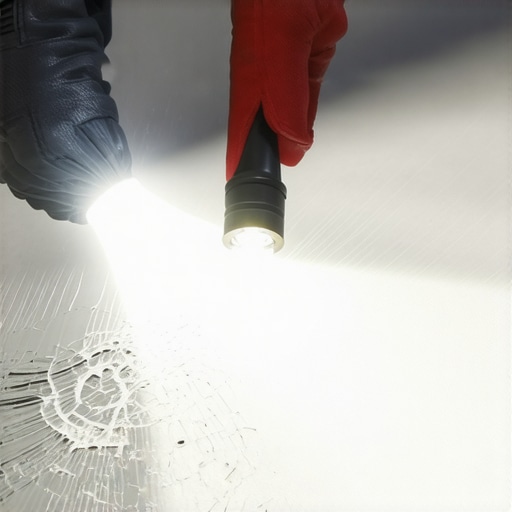
Beware the same-day service that promises a repair in under ten minutes. While modern UV lamps are powerful, they cannot bypass the laws of physics. Resin must migrate into every micro-fissure of the break. If you apply the UV light too early, you seal the entry point but leave the internal cracks empty. This is the automotive equivalent of failing to use flashing tape on a window header; it looks fine from the outside, but the internal structure is rotting. A proper glass installer will wait for the resin to reach equilibrium before initiating the cure. They will ensure the muntin-like structure of the glass laminate is perfectly filled. They will check the weep hole areas of the vehicle cowl to ensure no moisture is wicking up into the repair area.
Final Inspection: The Professional Standard
When the tech is finished, the surface should be scraped flat with a fresh razor blade. There should be no ‘lip’ or ‘hump.’ If you run your fingernail over the repair and it catches, it wasn’t finished correctly. In my decades of experience, the difference between a repair that lasts the life of the vehicle and one that fails in a month is the technician’s patience with the curing process. Don’t settle for a ‘caulk-and-walk’ mentality. Demand a repair that respects the science of the rough opening and the chemistry of the resin. Your windshield is a safety device; treat its repair with the same precision you would a high-rise curtain wall. If the resin is cured, the glass is whole. If it isn’t, it’s just a temporary fix waiting for a temperature swing to turn it into a total replacement expense.