The reason your phone screen looks dim after a mall kiosk fix
The Mall Kiosk Analogy: Why Quality Glass Matters
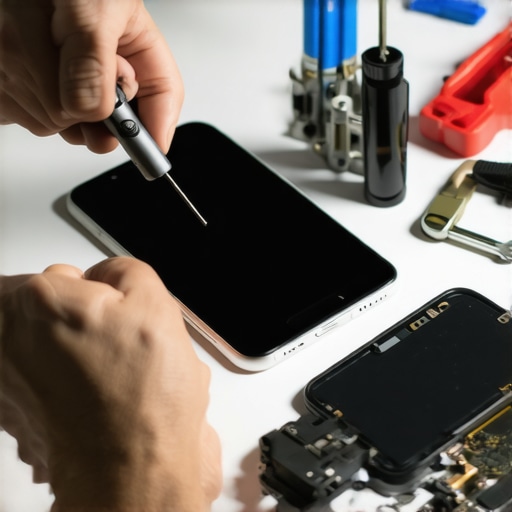
You have seen it a thousand times: a friend drops their phone, takes it to a mall kiosk for a thirty-minute repair, and walks away with a screen that looks… off. The colors are muted, the touch response is sluggish, and the display seems dim even at full brightness. As a master glazier with twenty-five years in the trade, I see the exact same phenomenon in the residential and commercial window industry. When you hire a cut-rate glass installer or opt for a same-day mobile service that prioritizes speed over specification, you are essentially putting a low-grade mall kiosk screen on your house. The physics of light do not change just because the scale of the glass does. Whether it is a six-inch smartphone or a six-foot picture window, the relationship between visible transmittance, refractive index, and spectral selectivity is absolute.
The Condensation Crisis: A Master Glazier’s Tale
A homeowner called me in a panic last October because their brand-new windows were ‘sweating’ profusely. They were convinced the seals had failed within weeks of installation. I walked into the living room with my hygrometer and a thermal imaging camera. The hygrometer immediately spiked to 62 percent humidity. I had to explain that it was not a failure of the glass, but a failure of the home’s ecosystem and the installer’s lack of education. The previous contractor had installed high-performance glass but failed to account for the dew point in a tightly sealed room with poor ventilation. I showed them how the moisture was a symptom of their lifestyle: too many indoor plants and a broken bathroom exhaust fan: interacting with the glass surface temperature. It was a classic case where the window was doing its job of keeping the cold out, but the interior environment was out of balance. This is the difference between a technician who just swaps a pane and a specialist who understands the thermodynamics of the rough opening.
“The thermal performance of a window system is the result of the combined performance of the glazing, the frame, and the installation method.” – National Fenestration Rating Council (NFRC)
The Physics of the ‘Dim’ View: Visible Transmittance (VT)
The reason that phone screen looks dim is often due to poor visible transmittance. In the world of architectural glass, VT is a value between 0 and 1 that indicates how much of the visible spectrum of sunlight passes through the glazing. A high-quality glass installer knows that in a southern climate where the sun is a constant thermal assault, we have to balance VT with the Solar Heat Gain Coefficient, or SHGC. If you choose a glass with a very low SHGC to keep your cooling bills down, you often sacrifice VT, leading to that ‘dim’ or ‘tinted’ feeling inside your home. Low-quality glass manufacturers use cheaper iron-rich formulas that result in a greenish hue, which saps the natural light from your living space. When we perform a chip repair or a full pane replacement, we look for glass that utilizes low-iron compositions to ensure that the view remains crisp and the colors stay true to life.
Surface #2 vs. Surface #3: The Low-E Strategic Placement
In our hot southern climate, the enemy is the sun. We are not just fighting the air temperature; we are fighting the radiant energy that wants to turn your living room into a greenhouse. This is why the placement of the Low-E (low-emissivity) coating is critical. For peak performance in the heat, the coating must be on Surface #2. For those unfamiliar with trade terminology, Surface #1 is the exterior face of the glass, and Surface #2 is the inner face of that same exterior pane, facing the air gap. By reflecting the infrared radiation at Surface #2, we stop the heat before it ever crosses the spacer and enters the building envelope. A ‘tin man’ salesman might try to sell you a generic unit, but a true glazier ensures the glass is oriented correctly for the specific solar orientation of that wall.
Installation Anatomy: Beyond the Caulking Gun
Proper installation is about water management and structural integrity, not just aesthetics. We start with the rough opening, ensuring it is level and plumb before the first shim is ever placed. A window that is not perfectly square will put stress on the sash, eventually leading to air bypass or a cracked glazing bead. We utilize a sill pan, which is a secondary line of defense that directs any incidental moisture back to the exterior through a weep hole. Without a proper sill pan and flashing tape applied in a ‘shingle’ fashion (bottom to top), that window is just a slow-motion leak waiting to rot your headers. I have seen countless same-day mobile service jobs where the installer skipped the shims entirely, relying on the nailing fin to hold the weight. Over time, the window sags, the operable parts bind, and the seal fails. That is the ‘caulk-and-walk’ method, and it is the bane of my profession.
“Installation is just as critical as the window performance itself. A high-performance window installed poorly will fail.” – AAMA Installation Masters Guide
The Reality of Same-Day Mobile Service and Chip Repair
There is a place for mobile service, especially when it comes to chip repair. A stone chip in a tempered or laminated unit is a structural vulnerability. The repair process involves injecting a clear resin with a refractive index that matches the glass. If the resin is inferior, it will yellow under UV exposure, much like that cheap phone screen fix. However, for full residential replacements, ‘same-day’ is often a red flag. Custom-made Insulated Glass Units (IGUs) require time for the primary and secondary seals (usually polyisobutylene and silicone or hot-melt butyl) to cure properly. Rushing this process leads to premature fogging between the panes. When you see a window that looks cloudy or has ‘moisture inside,’ you are looking at a failed seal, likely caused by poor manufacturing or a stressed installation during the glazing process.
The Technical Specifications of Clarity
To avoid the dimness of a low-quality fix, you must understand the numbers on the NFRC label. The U-Factor measures how well the window prevents heat from escaping, which is vital for the few cold nights we get, but the SHGC is our primary focus. In the south, you want an SHGC below 0.25. To achieve this without making the house feel like a cave, we look for glass with a high ‘Light-to-Solar Gain’ (LSG) ratio. This is the mark of high-end glazing: it blocks the heat while letting in the light. This is achieved through multi-layered silver coatings that are sputtered onto the glass in a vacuum chamber. It is a far cry from the simple tinted glass of twenty years ago. When a professional glass installer talks about these metrics, they are ensuring that your interior remains bright and cool, rather than dark and stifling.
Muntins, Sashes, and the Architectural Integrity
Finally, we must consider the aesthetics of the window’s components. Whether you have simulated divided lites or true muntins, the alignment must be precise. A sash that is out of alignment by even an eighth of an inch will catch the light in a way that reveals every flaw in the house’s framing. When we perform a replacement, we don’t just look at the glass; we look at the glazing bead that holds it in place and the weatherstripping that seals the operable sections. If these components are made of cheap PVC that degrades in the sun, the entire unit will fail long before the glass does. Quality glazing is a symphony of materials: fiberglass, high-density vinyl, or thermally broken aluminum: all working to support the clarity of the glass. Don’t settle for a dim view; demand the precision that only a veteran glazier can provide.