How to spot a fake lithium-ion battery
The Technical Reality of Mobile Glass Repair
In my twenty-five years as a master glazier, I have seen every shortcut in the book. From the ‘caulk-and-walk’ contractors who think a bead of silicone solves a structural failure to the ‘tin men’ selling overpriced triple-pane units in climates where they never pay off. But today, the most insidious threat to a quality same-day glass repair isn’t just poor technique: it is the failure of the tools we rely on in a mobile service environment. Specifically, the proliferation of counterfeit lithium-ion batteries in our curing lamps and vacuum pumps. If your glass installer is using a tool powered by a fake cell, your chip repair is already compromised before the resin even touches the rough opening of the impact zone.
The Sales Pitch Takedown: A Lesson in Tool Integrity
I sat across from a tool representative last year who was trying to sell me ‘OEM-equivalent’ lithium-ion packs for my mobile UV curing rigs at half the price of the manufacturer units. He had all the buzzwords ready, talking about ‘energy density’ and ‘high discharge rates.’ I took one of his samples, weighed it against a certified cell, and found it was thirty percent lighter. I opened the casing and showed him exactly where the sand-filling was used to mimic the weight of a real electrolyte-filled cell. I had to explain to this ‘tin man’ why the ROI on a failed chip repair due to under-curing wasn’t just a few dollars, it was the reputation of my entire operation. Using a fake battery in a mobile service rig is like trying to shim a heavy sash with cardboard: it might look level for an hour, but the first sign of stress will bring the whole system down. You cannot build a business on counterfeit power.
“Installation is just as critical as the window performance itself. A high-performance window installed poorly will fail.” – AAMA Installation Masters Guide
The Physics of the North: Why Cold Climates Demand Real Power
In our northern climate, specifically in regions like Chicago or Minneapolis, we are constantly fighting the Dew Point and the U-Factor of the glass. When we perform a same-day mobile chip repair in January, the glass is under immense thermal stress. The U-Factor—which measures the rate of heat loss—dictates how quickly the glass will suck the heat out of our repair resin. To combat this, we use specialized heaters and UV curing lamps that require a stable, high-voltage output to penetrate the glazing bead area and ensure the resin bonds at a molecular level. Fake lithium-ion batteries suffer from extreme ‘voltage sag’ in cold weather. While a genuine cell maintains its discharge curve, a counterfeit cell’s internal resistance skyrockets as the temperature drops. This leads to a ‘ghost repair’ where the resin looks cured on the surface but remains liquid at the bottom of the rough opening, leading to a structural failure the moment the homeowner turns on their defroster.
Decoding the Fake: An Autopsy of Counterfeit Cells
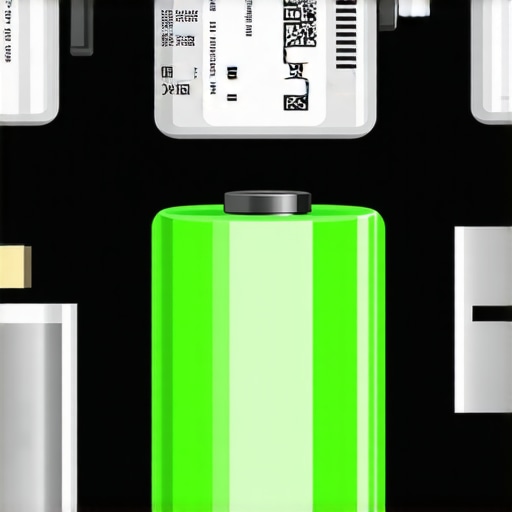
To spot a fake battery, you have to look beyond the wrapper. First, examine the ‘PVC’ heat shrink. Genuine manufacturers like Panasonic, LG, or Sony use precision-cut, high-quality wraps. Fakes often have ragged edges or ‘seamless’ wraps that are too thick, hiding the recycled 18650 cells underneath. Second, look at the top cap. A real high-discharge cell used by a professional glass installer will have four or five distinct vent holes; fakes often have two or three poorly stamped indentations. These vents are critical for preventing thermal runaway. Third, check the operable capacity. If a battery claims 5000mAh in an 18650 form factor, it is a lie. The physical limit of the chemistry currently caps out around 3600mAh. Anything higher is a red flag. In the world of glass, we talk about the Sill Pan as the last line of defense against water; in the world of mobile tools, the internal protection circuit (BMS) is your last line of defense against a fire in your service van.
“The seal between the glass and the frame is the first line of defense against environmental intrusion.” – NFRC Performance Manual
The Impact on Professional Glass Installation
Why does a glazier care so much about batteries? Because a mobile service is a precision operation. When I am working on a sash or a muntin-divided light, I need my suction lifters to hold. A fake battery in a vacuum lifter can lose suction without warning. Just as a weep hole must be clear to allow moisture to escape a window frame, the electrical path in our tools must be clear of ‘noise’ from poor quality cells. We use flashing tape to ensure a water-tight seal in a rough opening, and we must use certified power to ensure a ‘light-tight’ cure in our glass resins. The SHGC (Solar Heat Gain Coefficient) of the glass we are repairing also plays a role. High-performance glass with Low-E coatings on Surface #3 reflects heat back into the vehicle, which can actually overheat a low-quality battery sitting on the dashboard, leading to swelling or leaking.
The Glazier’s Verdict on Mobile Power
Don’t buy the hype of the ‘low-price’ alternative. In this industry, you get what you pay for, whether it is the U-Factor of a new window or the discharge rate of a lithium-ion cell. A same-day repair is only successful if it lasts for the life of the glass. If your glass installer cannot explain the technical specifications of their equipment, from the U-Factor of the replacement unit to the C-rate of their curing lamp, they are a ‘caulk-and-walk’ artist. Demand better. Look for the NFRC labels on your glass and the UL markings on your batteries. In the end, water management, thermal management, and power management are all part of the same science. Don’t let a fake battery turn a simple chip repair into a total sash replacement.