
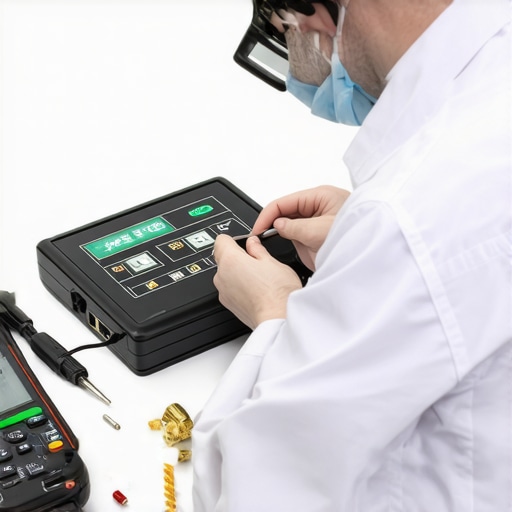
3 Ways Pro Chip Repair Services Save Your 2026 Smart Sensors
The Invisible Threat to Your Glass Integrated Technology
In the evolving landscape of 2026, a window is no longer just a transparent barrier; it is a complex piece of infrastructure embedded with smart sensors, LiDAR arrays, and heads-up display (HUD) interfaces. When you spot a tiny pit in your glass, it is not just an aesthetic blemish. It is a structural breach in a high-performance system. A master glass installer understands that a chip in 2026 glass is essentially a crack in a computer screen. If you ignore it, you are inviting moisture to interact with delicate CMOS sensors and delicate wiring. A mobile service for chip repair is the only way to arrest this degradation before it leads to a full system failure. We are talking about maintaining the integrity of the Solar Heat Gain Coefficient (SHGC) and ensuring that the optical path for your sensors remains clear of diffraction.
A homeowner called me in a panic because their new windows were ‘sweating.’ I walked in with my hygrometer and showed them the humidity was 60%. It wasn’t the windows; it was their lifestyle. However, upon closer inspection of their high-tech ‘Smart Glass’ installation, I found a series of micro-chips along the edge where the glazing bead meets the frame. These weren’t just surface scratches. They were pathways. The high humidity inside the house was migrating into the laminated layers of the glass through these chips, causing the internal smart-tinting film to delaminate. This is why professional intervention is mandatory. You cannot simply ‘caulk-and-walk’ a technical failure of this magnitude. You need a specialist who understands that the rough opening tolerances and the shim placement affect the tension of the glass, which in turn dictates how a chip will spread under thermal stress.
“Installation is just as critical as the window performance itself. A high-performance window installed poorly will fail.” AAMA Installation Masters Guide
1. Preventing Thermal Throttling of Embedded Sensors
In hot climates, the enemy is Solar Heat Gain. Your 2026 smart sensors are rated for specific operating temperatures, but when a chip disrupts the Low-E coating on Surface #2, it creates a ‘hot spot.’ This localized increase in temperature can cause sensors to throttle their performance or provide erratic data. A professional glass installer uses an optically clear resin with a refractive index that matches the original glass. This isn’t just about looks; it’s about physics. By filling that void, we restore the thermal continuity of the pane. Without this, the radiant heat from the sun penetrates deeper into the laminate, potentially cooking the sensor’s processor. We use mobile service units to reach you before the next heat wave, ensuring that your SHGC remains within the design parameters. Lower SHGC is king in the south, and even a small chip can act as a lens, focusing infrared radiation directly onto a sensor’s circuitry.
2. Managing the Dew Point and Moisture Migration
When we talk about the ‘Glass Class’ of 2026, we have to discuss the dew point. In any high-performance glazing system, moisture is the primary antagonist. A chip creates a capillary effect, drawing in atmospheric moisture. Once that water is inside the glass, it begins to corrode the silver-based Low-E coatings and the micro-wires connecting your smart sensors. A same-day chip repair is a preventative strike. We evacuate the air from the break using a vacuum pump and replace it with a UV-curable polymer. This prevents the moisture from reaching the sensor housing or the sash internals. If you wait, the moisture will eventually reach the muntin area or the sill pan, where it can sit and cause hidden rot or electrical shorts. Water management is a science, and in a smart window, it is also an electronics protection strategy.
“The NFRC label provides the only reliable way to determine if a window will meet the energy code and performance requirements of a specific climate zone.” NFRC Performance Standards Manual
3. Structural Integrity and Sensor Recalibration
Every piece of glass has a specific tension. When a chip occurs, that tension is redirected. If you have sensors that rely on precise optical alignment, such as lane-departure cameras or exterior security arrays, the slight distortion caused by an unrepaired chip can throw off the calibration. This is where the trade cant of a master glazier becomes relevant. We look at the rough opening and how the window is shimmed. If the glass is under too much pressure from a poorly installed frame, a tiny chip will quickly become a crack that spans the entire sash. By utilizing a same-day mobile service, we can stabilize the break while it is still a ‘bullseye’ or a ‘star,’ preventing the need for a full frame tear-out. We check the glazing bead and ensure the weep hole is clear, as these components work together to keep the environment around your sensors dry and stable. A professional repair ensures the glass remains a stable substrate for the tech it carries.
Don’t be fooled by high-pressure sales pitches for total replacement when a surgical repair will suffice. However, don’t trust a amateur with a DIY kit. The integration of technology into our glass means that we must treat every window as a precision instrument. Whether it’s managing the U-factor in the north or blocking the sun’s heat in the south, your glass is doing a job. Keep it in working order with professional, same-day care. The ROI on a fifty-dollar repair is infinite when compared to the cost of replacing a fried sensor suite and a three-thousand-dollar smart pane.
This article really highlights how critical professional repairs are for high-tech smart glass, especially with embedded sensors and delicate wiring. I found the point about moisture infiltration through chips particularly insightful since, in my experience, many homeowners underestimate how even tiny micro-cracks can escalate into substantial problems over time. The use of UV-curable polymers to seal and restore the integrity of the glass seems like such a smart, non-invasive solution that can prevent costly replacements down the line. I wonder, though, how often these chips tend to occur in well-installed windows? Are there preventative measures or specific types of glass treatments that can reduce the likelihood of chips forming in the first place? Would love to hear from others who have managed to keep their smart glass in top shape without repeated repairs, or if anyone has insights into newer protective coatings that enhance durability in high thermal or humid environments.