Why your car insurance prefers chip repair over total replacement
The Structural Integrity of the Aperture
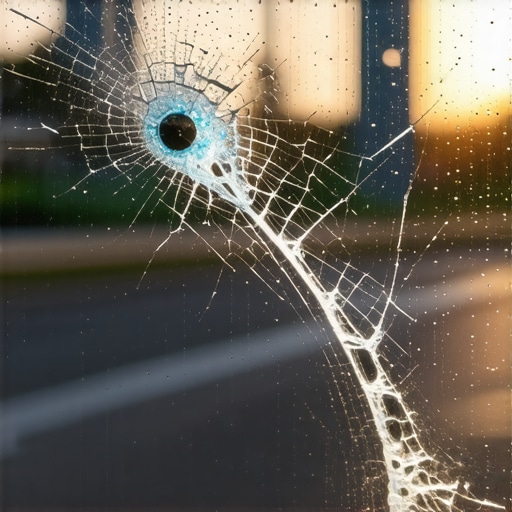
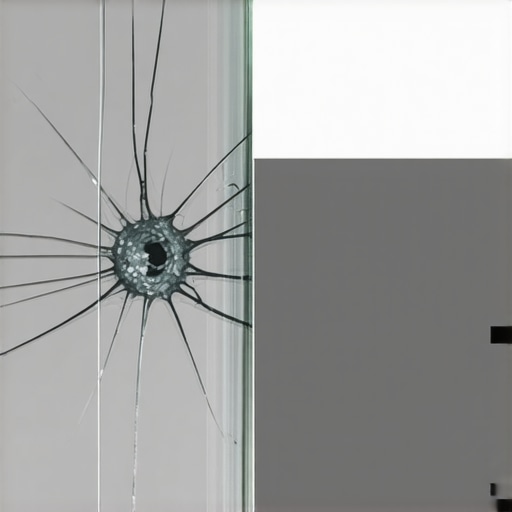
When a pebble strikes your windshield at highway speeds, it is not merely a cosmetic blemish. As a glazier with over two decades in the field, I view a windshield as a highly stressed structural component, much like a pressurized curtain wall in a skyscraper. The windshield provides up to 60% of the structural integrity in a rollover accident and ensures proper airbag deployment. This is why insurance companies are obsessed with the technical nuances of chip repair versus total replacement. A small bullseye or star-break is a fracture in a laminated system consisting of two layers of soda-lime glass bonded by a Polyvinyl Butyral (PVB) interlayer. If you catch the damage early, a glass installer can restore the structural envelope. If you wait, the thermal expansion of the glass will turn that minor pit into a catastrophic failure.
“Installation is just as critical as the window performance itself. A high-performance window installed poorly will fail.” – AAMA Installation Masters Guide
A homeowner called me in a panic because their new windows were ‘sweating.’ I walked in with my hygrometer and showed them the humidity was 60%. It wasn’t the windows; it was their lifestyle. I see the same thing with auto glass. People assume a chip is a manufacturing defect or a sign of weak glass. In reality, it is a management of atmospheric pressure and moisture. When a chip occurs, the PVB interlayer is exposed to the elements. If moisture enters that Rough Opening in the glass surface, it can cause delamination. This is the ‘sweating’ of the auto glass world. Insurance companies prefer a same-day chip repair because it seals that breach before the environment can compromise the internal laminate, saving them the four-figure cost of a full replacement and the complex recalibration of Advanced Driver Assistance Systems (ADAS).
The Physics of Resin and Refractive Indices
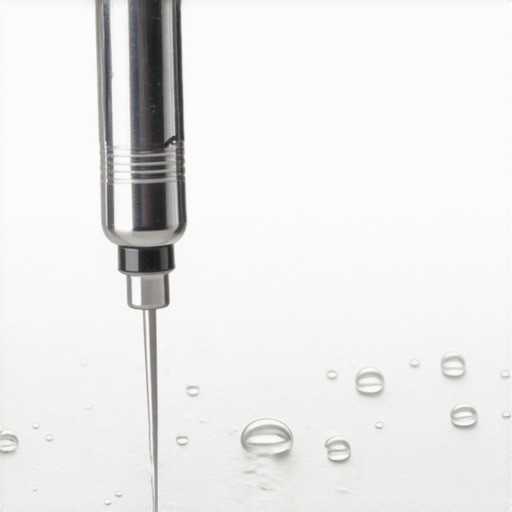
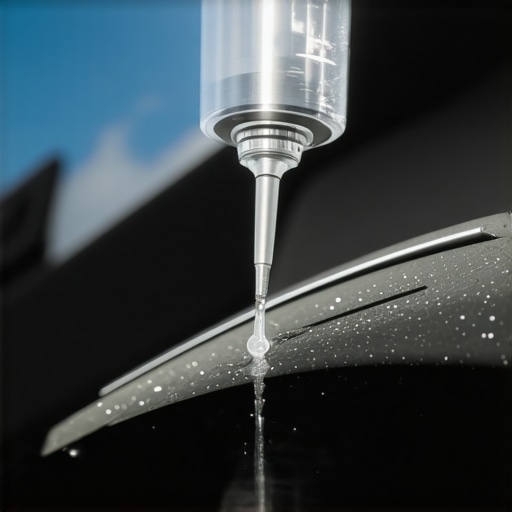
Why does the insurance company push for a mobile service technician to inject resin? It comes down to the science of light and matter. A professional glass installer uses a high-viscosity, UV-curable resin that is engineered to mimic the refractive index of the glass. When the air is vacuumed out of the chip and the resin is injected, the ‘scar’ becomes nearly invisible because the light waves no longer reflect off the air pocket inside the fracture. This is not ‘filling a hole’; it is a molecular bond. In my years installing high-end residential units, we would use a glazing bead to secure the lite, but in auto glass, the bond is the urethane and the resin itself. The insurance adjuster knows that a same-day repair maintains the original factory seal. Once you break that factory urethane bond to the vehicle’s pinch weld—what we in the trade might call the Rough Opening—you are at the mercy of the installer’s skill to prevent leaks and wind noise.
The Economics of the Total Replacement Threshold
Total replacement is a massive undertaking that involves more than just glass. Modern vehicles are essentially computers on wheels. A full replacement often requires the removal of the Sash-like trim and the Muntin-style decorative moldings around the A-pillars. But the real cost is the ADAS camera mounted to the glass. If the glass installer replaces the entire unit, those cameras must be recalibrated to ensure the lane-departure and emergency braking systems work with millimeter precision. Insurance companies despise this cost. They would much rather pay for a mobile service to perform a chip repair that keeps the original glass in place. It is the difference between a simple Shim adjustment on a window and a full frame tear-out that requires new Flashing Tape and a Sill Pan. One is a surgical strike; the other is a major renovation.
“Standard Practice for Installation of Exterior Windows, Doors and Skylights requires that any breach in the primary weather barrier be addressed immediately to prevent systemic failure.” – ASTM E2112
Thermal Stress and the Expansion Coefficient
In colder climates, the ‘Enemy’ is the defrost cycle. You have a chip at 0 degrees Fahrenheit, and you blast the heater. The glass expands, but the Rough Opening of the chip cannot handle the stress, leading to a long crack. In the South, the Solar Heat Gain (SHGC) is the killer. The sun beats down on the black Frit (the painted edge of the glass), raising the temp to 150 degrees, while the AC cools the interior. This thermal gradient is why same-day chip repair is non-negotiable. A glass installer must stabilize the fracture before the expansion coefficient of the soda-lime glass exceeds its tensile strength. We use similar logic when choosing Operable windows for homes; we must account for the frame’s expansion and contraction. In a car, the glass is the frame. If the glass fails, the system fails. Insurance companies understand that a $50 repair today prevents a $1,500 claim tomorrow. They aren’t being cheap; they are being mathematically sound.
Water Management and the ‘Weep Hole’ Principle
In residential glazing, we rely on a Sill Pan and Weep Hole system to manage water. If water gets past the Glazing Bead, it has a path out. In a vehicle, the windshield is a sealed system. There are no weep holes for a windshield. If a chip is left open, water can migrate into the PVB layer, leading to a milky white discoloration known as ‘blush.’ This is a permanent failure of the laminate. By the time you see the blush, the structural integrity is gone. A mobile service technician uses a bridge and injector to force out that moisture and replace it with resin. It is the only way to maintain the Flashing Tape-like seal of the factory assembly. As an expert, I tell my clients: do not treat your windshield like a secondary accessory. Treat it like the primary safety barrier it is. If your insurance offers a free chip repair, they are doing you a favor by protecting your vehicle’s structural ‘envelope’ from the inevitable rot that moisture and vibration bring to an unsealed fracture.