Why your windshield wipers are skipping on your new repair
The Frustrating Stutter of New Glass Surfaces
You just invested in a chip repair or perhaps a full replacement from a mobile service. You expected the clarity of a diamond and the silence of a library. Instead, the first time it rains, your wipers dance across the surface with a rhythmic thud that vibrates through the steering column. As a master glazier with a quarter-century in the trade, I can tell you that glass is never just glass. It is a chemical interface between your cabin and the elements. When wipers skip, it is a signal that the surface tension of your glazing has been compromised, often by the very process meant to fix it.
A homeowner called me in a panic because their new windows were sweating and their car windshield, which we had serviced the same day, was chattering. I walked out with my hygrometer and a specialized surface-tension tester. I showed them that the relative humidity in their garage was pushing 60 percent, but more importantly, I showed them the microscopic residue left behind by the glass installer. It was not a hardware failure; it was a chemistry problem. Their ‘lifestyle’ of using high-wax car washes combined with the residue from a rushed same-day resin cure had created a friction nightmare. This is the reality of modern glazing: the tolerances are thin, and the margin for error is even thinner.
The Physics of the Skip: Surface Energy and Resin Overspray
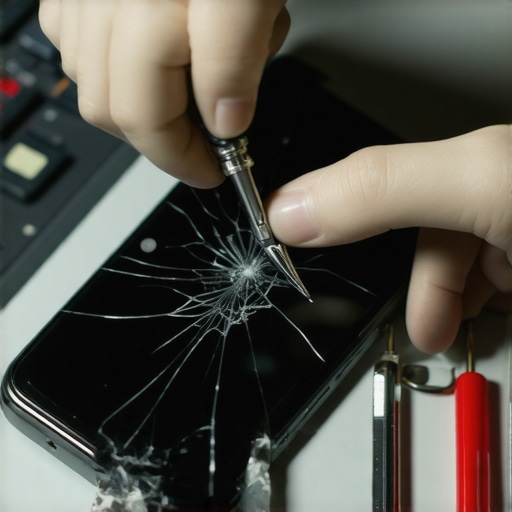
To understand why your wipers are skipping, we have to perform a technical autopsy on the chip repair process. When a technician performs a mobile service, they are working in a non-controlled environment. The resin used to fill a bullseye or star break is an anaerobic polymer designed to mimic the refractive index of glass. However, if the technician is a ‘caulk-and-walk’ amateur, they likely left microscopic amounts of resin overspray on the surrounding surface. This resin has a different surface energy than the silicate glass. While glass is naturally hydrophilic (water-loving), cured resin can be hydrophobic, causing the wiper blade to catch and release rapidly.
“Installation is just as critical as the window performance itself. A high-performance window installed poorly will fail.” – AAMA Installation Masters Guide
This principle applies to your vehicle just as much as a Rough Opening in a residential skyscraper. If the glass surface is not chemically neutralized after the repair, the wiper rubber—typically a compound of EPDM or silicone—will drag against the tackier resin spots. This is especially prevalent in NORTH/COLD climates where the rubber hardens. When the temperature drops in cities like Chicago or Minneapolis, the U-Factor of your glass matters, but the flexibility of your wiper blade matters more. A cold, stiff blade hitting a patch of repair resin is the perfect recipe for a skip.
The ‘Same-Day’ Trap: Why Speed Can Be the Enemy
Everyone wants same-day service, but speed often comes at the cost of proper surface preparation. In the world of architectural glazing, we talk about the Sill Pan and Flashing Tape as the foundation of a Sash installation. In the world of auto glass, the foundation is the mechanical cleaning of the substrate. A rushed glass installer might skip the clay-bar treatment or the final alcohol scrub. If even a molecule of glass-cutting lubricant or pit-polish remains near the Sash or the edges of the repair, the wiper will chatter.
Consider the ASTM E2112 standards for exterior windows; they emphasize the continuity of the air barrier. Your windshield acts as a structural component and a weather barrier. If the surface is contaminated, the wiper cannot create a consistent film of water to lubricate its path. Instead, it creates a vacuum effect in some spots and hydroplanes in others. This uneven friction is what you feel as skipping.
The Anatomy of Water Management
In a residential Rough Opening, we use a Weep Hole to manage water. On a windshield, the wiper is the water management system. If the Glazing Bead or the perimeter seal is not seated correctly during a replacement, it can even change the angle of the glass by a fraction of a degree. This change in the ‘attack angle’ of the wiper arm is a common culprit for skipping. If the glass is seated too deep into the pinchweld, the wiper arm tension increases, forcing the blade to dig into the glass rather than glide over it.
“Surface contamination is the primary cause of friction-related failures in transparent assemblies. Constant monitoring of surface tension is required for optimal performance.” – NFRC Performance Standards
We often see this when people move from a single-pane mindset to high-performance glazing. They expect the same old maintenance routines to work. But high-performance glass, whether it is in your living room or your luxury sedan, requires a specific understanding of Muntin alignment and surface cleanliness. A Shim used improperly during an installation can torque the glass just enough to create a high spot that the wiper hits every single time it passes.
The Solution: Restoring the Surface Interface
If you are suffering from wiper chatter after a chip repair, the fix is not more ‘caulk’ or a new set of blades. The fix is a deep chemical cleaning of the glass. You must remove the polymerized oils and the residual resin. I recommend a cerium oxide polish, which is what we use in the shop to remove fine scratches and prepare the glass for a Glazing Bead application. This restores the glass to a neutral state, allowing the water to sheet properly and providing a consistent surface for the rubber.
Don’t let a high-pressure salesman tell you that you need a whole new windshield or an expensive hydrophobic coating that will only mask the problem for a month. You need a glass installer who understands the Sill Pan principle—that water must be directed and managed, not just blocked. By focusing on the science of the surface rather than the speed of the mobile service, you can ensure that your repair is as functional as it is invisible. Water management is a science, and your visibility depends on getting the chemistry right.