How to stop a windshield crack from growing while you drive
The Physics of the Fracture: Why Your Windshield is a Ticking Clock
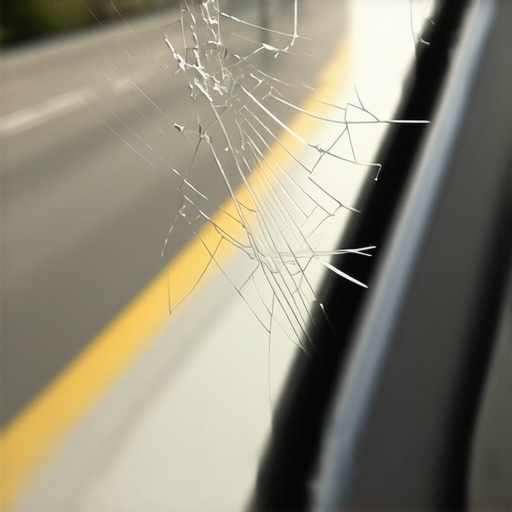
The moment that sharp crack echoes through your cabin, you are no longer just a driver; you are a technician managing a structural failure. As a glazier with over two decades in the field, I have seen ‘minor’ chips transform into full-width fractures in the time it takes to grab a cup of coffee. A windshield is not a simple pane of glass. It is a sophisticated sandwich consisting of two layers of annealed glass bonded by a polyvinyl butyral (PVB) interlayer. When a stone strikes the outer layer, it creates a stress riser. This point of impact concentrates the tension of the entire glass assembly. To understand how to stop a windshield crack from growing while you drive, you must understand the interplay of surface tension, thermal expansion, and mechanical vibration.
“Installation is just as critical as the window performance itself. A high-performance window installed poorly will fail.” AAMA Installation Masters Guide
I remember sitting across from a high-pressure salesman at a local trade show who was trying to push these ‘miracle’ acrylic pens as a permanent fix for structural cracks. I had to step in when he told a customer it was ‘good as new.’ I explained that while the resin might fill the void, it doesn’t address the Hertzian cone fracture that has compromised the tension of the glass. The ROI on a cheap DIY kit is negative when you consider the cost of a full replacement after the kit fails. You aren’t just buying glass; you are buying the integrity of the pinch weld and the structural support of your vehicle’s roof.
The Thermal Trap: How Climate Dictates Your Crack’s Fate
If you are driving in a northern climate like Chicago or Minneapolis, the cold is your primary adversary. In these environments, U-Factor and thermal conductivity are the governing principles. When you turn on your defroster, you are applying intense heat to the interior surface of the glass while the exterior remains at sub-zero temperatures. This creates a massive thermal gradient. The inner pane expands while the outer pane remains contracted. This differential stress acts like a wedge, driving the crack further across the Rough Opening of your windshield frame. To mitigate this, avoid the temptation to blast the heat. A gradual temperature increase is the only way to prevent the glass from ‘zipping’ across its entire width.
The Mechanical Autopsy: Why Chips Become Cracks
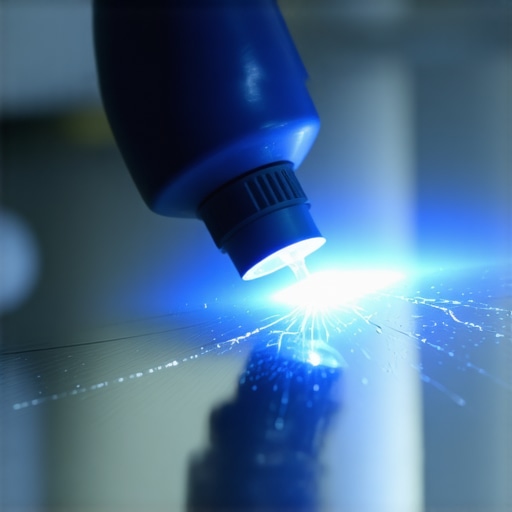
Every crack has a ‘root’ or a pit. This is the entry point where the glass was pulverized. If you look closely, you might see a star break, a bullseye, or a half-moon. Each has a different risk profile. A star break is the most volatile because it has multiple legs or ‘rays’ that act as independent stress risers. The goal of a professional glass installer is to utilize a bridge tool to create a vacuum, evacuating the air from these microscopic fissures and replacing it with a high-viscosity resin that matches the refractive index of the glass.
“Repair of any chip or crack should be performed as soon as possible to prevent moisture and dirt from contaminating the PVB interlayer.” NWRA Standards
Immediate Field Triage for the Driver
When you are on the road and a crack appears, your first priority is contamination control. Use a small piece of clear packing tape to cover the impact site. This prevents capillary action from drawing road oils, washer fluid, and moisture into the crack. Moisture is the enemy; if it gets into the PVB interlayer, it can cause delamination, turning the glass cloudy and making a chip repair impossible. This is not a permanent fix, but it keeps the ‘wound’ clean for the mobile service technician. Avoid car washes at all costs. The high-pressure water and detergents will penetrate the fracture and ruin the chances of a successful resin bond.
The Role of Mobile Service and Same-Day Repair
The beauty of modern mobile service is the ability to perform a repair in a controlled environment before the vehicle undergoes further mechanical stress. When a car moves, the frame twists slightly. This torsional stress is transferred directly to the windshield. A same-day repair is not just a convenience; it is a technical necessity to catch the fracture before it reaches the glazing bead or the black ceramic frit at the edge of the glass. Once a crack reaches the edge, the structural tension is lost, and the only solution is a full tear-out and replacement. This involves cutting the urethane bead and ensuring the new glass is perfectly seated against the pinch weld with the correct shims to maintain proper alignment.
Technical Steps for Temporary Stability
1. Park in the shade: Direct sunlight can heat the glass to over 140 degrees, causing rapid expansion. 2. Keep windows cracked: This equalizes the pressure between the cabin and the atmosphere, reducing the load on the glass. 3. Avoid potholes: Mechanical vibration is a primary driver of crack propagation. Think of the crack as a zipper; every bump is a tug on that zipper. 4. Do not use DIY resin in direct sunlight: Most resins are UV-cured. If you apply them in the sun, they will harden before they can fully penetrate the micro-cracks, leaving you with a botched job that a professional cannot fix.
Final Assessment: Repair vs. Replace
A master glazier knows when to walk away. If the crack is longer than a dollar bill or if it is in the driver’s direct line of sight (the ‘A-Zone’), a repair is a liability. The resin, while effective, can leave a slight optical distortion. Furthermore, a windshield is a safety device that supports the deployment of the passenger-side airbag. If the structural integrity is too far gone, a same-day replacement is the only ethical recommendation. Always verify that your glass installer uses OEM-equivalent glass and high-modulus urethane to ensure the vehicle’s safety systems remain intact.