Why your windshield might leak if the technician rushes the job
I have spent over 25 years as a master glazier and window installation specialist. During that time, I have seen every possible failure of glass systems, from massive commercial curtain walls to high-end residential casements. While most people view a windshield as a simple piece of automotive glass, a master installer sees it as a structural component that manages hydrostatic pressure, thermal expansion, and water diversion. When you hire a glass installer for a same-day mobile service, you are trusting that they understand the chemistry of the bond. If they rush, your vehicle becomes a sieve.
“Installation is just as critical as the window performance itself. A high-performance window installed poorly will fail.” – AAMA Installation Masters Guide
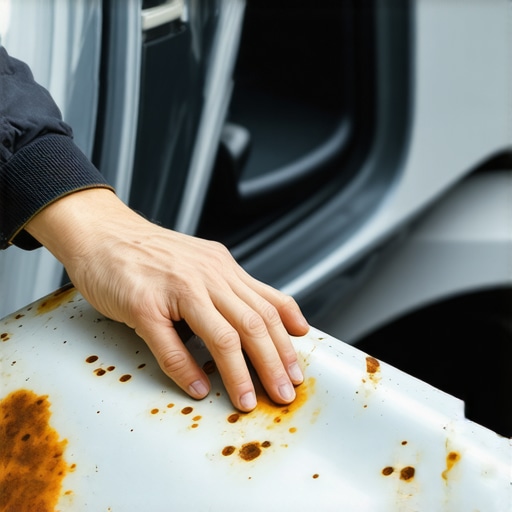
I recently pulled a windshield out of a late-model SUV where the owner complained of a damp smell and wet floorboards. Upon removal, the pinchweld—the metal frame where the glass sits—was bubbling with advanced oxidation. Why? The previous technician had used a metal pry tool to speed up the removal process, scratching the paint down to the bare metal. Instead of applying a proper primer to seal that wound, they just slapped the urethane down. This is the ultimate “caulk-and-walk” sin. In the world of residential glazing, we would never leave a rough opening exposed to the elements without proper flashing tape or a sill pan. In automotive glass, that urethane bead and the primer are your only defense against rot.
The Molecular Science of the Urethane Bead
To understand why a windshield leaks, you have to understand the physics of the adhesive. Modern windshields are bonded using high-viscosity polyurethane. This is a moisture-cured structural adhesive. In a northern climate like Chicago or Minneapolis, the dew point and ambient humidity dictate the curing speed. If a mobile service technician performs an install in 15-degree weather without accounting for the U-Factor of the glass and the thermal properties of the metal, the bond will never reach its design strength. The urethane must create a covalent bond with the glass surface. This requires meticulous cleaning and the application of a black-out primer that protects the adhesive from ultraviolet radiation. If that primer is skipped or applied to a dirty surface, the seal will eventually delaminate, allowing water to migrate through capillary action.
The Same-Day Trap and Drive-Away Times
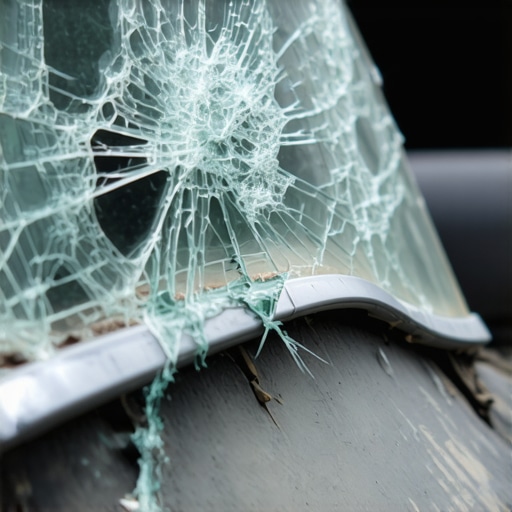
Everyone wants same-day service, but physics does not adhere to your schedule. When we talk about chip repair or full replacement, the integrity of the resin or the adhesive is paramount. For a chip repair, the technician must vacuum out all air from the break and inject a resin with the correct viscosity to match the refractive index of the glass. If they rush, an air pocket remains, which will expand and contract with temperature swings, eventually splitting the laminate. For a full replacement, the “Minimum Drive-Away Time” is not a suggestion. It is a safety requirement. If the vehicle is driven too soon, the air pressure inside the cabin—especially if you slam the door—can create a pinhole in the wet urethane. That pinhole becomes a permanent leak path.
Water Management: Shingles, Slopes, and Weep Holes
In residential windows, we rely on the shingle principle: every layer must shed water to the layer below it. We use a drip cap at the head, flashing tape on the jambs, and a sill pan at the bottom to ensure water exits through a weep hole. A windshield installation follows a similar logic. The glass must be centered perfectly within the pinchweld using a shim if necessary to maintain a consistent gap. If the glass sits too low, water will pool against the bottom bead rather than flowing into the cowl drainage system. Over time, that standing water will find the smallest imperfection in the bead. I often tell my apprentices that they aren’t just glass installers; they are water managers. You have to visualize how a drop of rain will travel from the roof, across the glazing bead, and down into the engine bay area.
“Standard Practice for Installation of Exterior Windows requires that all water-resistive barriers be integrated with the fenestration unit to prevent water penetration into the wall cavity.” – ASTM E2112
The Hidden Cost of Poor Surface Preparation
A master glazier knows that 90% of the work happens before the glass ever touches the frame. In a home, that means ensuring the rough opening is square and level. In a car, it means removing every trace of the old urethane down to a thin, level base of about 1 to 2 millimeters. If the tech leaves a jagged, uneven bed of old adhesive, the new bead will have varying heights. This creates high and low spots. When the glass is set, the low spots might not even make contact with the urethane, creating an instant leak. Furthermore, an operable window like a sunroof or a side sash requires even more precision because of the moving parts. If the alignment is off by even a fraction of an inch, the seals won’t compress correctly, and you will hear that dreaded whistling sound at highway speeds.
Climate Logic: SHGC and Thermal Stress
In colder climates, we prioritize the U-Factor to keep heat inside. In automotive glass, this means the glass must be able to handle the extreme temperature differential between a 70-degree cabin and a -10-degree exterior. If the technician rushes and leaves a stress point—perhaps by forcing the glass against a muntin or a metal clip—the glass will crack from thermal shock. This is why the mobile service environment is so challenging. If it is raining or snowing, a technician cannot simply work under a tarp and expect the same results as a controlled shop environment. The moisture in the air will cause the urethane to skin over too quickly, preventing the glass from bedding in properly.
The Verdict: Why Expertise Matters
A windshield is not just a shield; it is the structural support for your roof in a rollover and the backstop for your passenger-side airbag. A leak is just the first sign that the structural integrity of the vehicle has been compromised. When you look for a glass installer, don’t just ask about the price or the speed. Ask about their cleaning protocol. Ask about the brand of urethane they use and its specific curing time. Ask them how they handle scratches on the pinchweld. If they give you a blank stare, they are a “caulk-and-walk” installer, and your car will eventually pay the price. Real glazing is a science of tolerances, and in this trade, there is no room for error. A window should be a barrier, not a bridge for water to enter your life.