How to protect your car’s paint during a windshield replacement
The Vulnerability of the Pinchweld: A Glazier’s Perspective
In my twenty five years as a master glass installer, I have seen every possible failure in the field. Most car owners view a windshield as a simple transparent shield, but I see it as a structural component that is bonded to the frame of your vehicle with a high modulus urethane. When you call for a mobile service or a same-day chip repair, you are inviting a technician to operate on the very structural integrity of your car. The most critical area is the pinchweld, which is the metal flange where the glass is bonded. I remember a specific case where I pulled a windshield out of a high end SUV in Miami. The previous installer had been reckless with a cold knife, gouging the paint right down to the bare steel along the entire perimeter. Because they just applied the new urethane over the raw metal without a proper primer, the salt air had turned that entire channel into a corridor of rust. Within a year, the windshield was literally lifting off the frame. This is why protecting the paint and the underlying substrate is not just about aesthetics; it is about safety.
“Any scratches to the vehicle paint during the glass removal process must be treated with a specific primer to prevent the onset of corrosion and ensure a proper bond.” – ANSI/AGSC/002-2016 Standard
The Physics of Solar Heat Gain and Urethane Adhesion
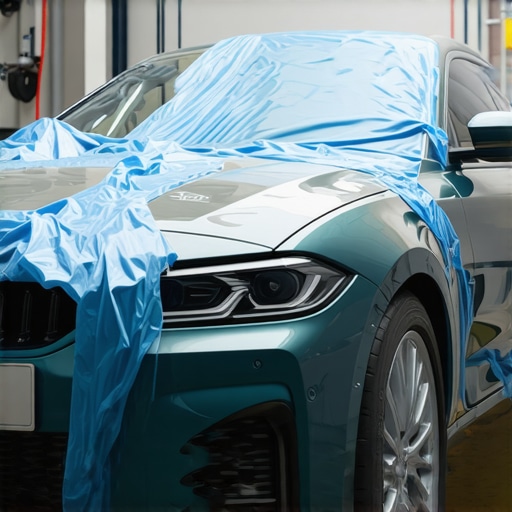
In hotter climates like Texas or Florida, the Solar Heat Gain Coefficient (SHGC) of your glass and the ambient temperature of your vehicle’s body play a massive role in the success of the installation. When a mobile service technician arrives on a ninety five degree day, your car’s paint and the metal frame are significantly hotter than the air. This heat accelerates the skin-over time of the adhesive. If the technician is not precise, the urethane will begin to cure before the glass is even set, leading to a weak bond. Furthermore, high heat makes the clear coat of your car’s paint softer and more susceptible to marring from the suction cups or the technician’s tools. A professional glass installer will use specialized masking tape and protective fender covers to ensure that no oil or friction damages the finish. We look at the glass as a thermal barrier. In a southern climate, we often recommend glass with a Low-E coating on Surface #2 to reflect the sun’s radiant energy away from the interior, which also helps protect the dashboard and the internal urethane bead from UV degradation.
The Installation Autopsy: Where Paint Damage Occurs
The damage usually happens during the extraction phase. The glass installer must choose between a cold knife, a power tool, or a wire extraction system. The cold knife, while fast, is the enemy of your paint if the technician lacks the hand strength or control to keep the blade away from the body. I prefer a fiber line or a wire system for high value vehicles because it eliminates the risk of metal-on-metal contact. The wire follows the contour of the glass, slicing through the old bead without ever touching the paint. If the technician uses a metal pry tool to remove the cowl or the moulding, they must use a plastic shim or a protective barrier. A single scratch in the paint allows moisture to get trapped under the new glass, where it can sit and fester, eventually leading to a failure of the pinchweld. This is the ‘Rough Opening’ of the automotive world, and it must be treated with the same respect as a window frame in a skyscraper.
“Installation is just as critical as the glass performance itself. A high performance windshield installed poorly will fail to support the roof during a rollover.” – AGSC Installation Safety Guide
The Role of Primers and Sealants
When the old glass is removed, the remaining urethane should be trimmed down to a thin, level base. This is the ‘Glazing Bead’ of the auto world. If any paint was nicked, a high quality etch primer must be applied. This is not optional. The primer acts as a sacrificial layer that prevents oxygen from reaching the steel. Without it, the chemical reaction between the urethane and the raw metal can actually accelerate corrosion. Many discount installers will skip this step to save five minutes, but a master glazier knows that the primer is the only thing standing between your vehicle and a rotted frame. During a same-day service, you must also ensure the technician accounts for the ‘Minimum Drive Away Time.’ This is the time required for the adhesive to gain enough strength to hold the glass in place during an impact. In humid environments, this time can vary significantly.
The Technical Components: Beyond the Glass
Every windshield replacement involves more than just the glass. You have the Cowl, the Weatherstripping, and often the sensors for Advanced Driver Assistance Systems (ADAS). A technician who is a true master of the craft will inspect the weep holes in the cowl to ensure that water is draining away from the pinchweld. If these holes are blocked by leaves or debris, water will pool against the glass seal, eventually finding a way into the cabin or causing the metal to rust. The ‘Sash’ or the frame of the windshield must be perfectly clean. We use a multi stage cleaning process to remove any silicone or oils that could interfere with the bond. Even a fingerprint on the glass surface where the urethane is applied can cause a leak. This level of technical precision is what separates a professional glass installer from a ‘caulk and walk’ amateur.
Final Checklist for Paint Protection
When you hire a mobile service, watch for these steps. First, do they use a wire or fiber line for removal? Second, do they apply protective tape to the A-pillars? Third, do they use a primer on the pinchweld? And finally, do they ensure the glass is centered with specialized setting blocks or shims to prevent it from sliding and rubbing against the paint while it cures? If you see a technician hacking away with a rusty blade or failing to clean the frame, stop the job. Your car’s paint and your personal safety depend on the integrity of this seal. The glass is not just an operable part of your vehicle; it is a structural member that must be managed with scientific rigor. Don’t buy the marketing hype of the fastest service; buy the technical expertise of a glazier who understands the physics of the bond.