Why we bring the shop to your office driveway
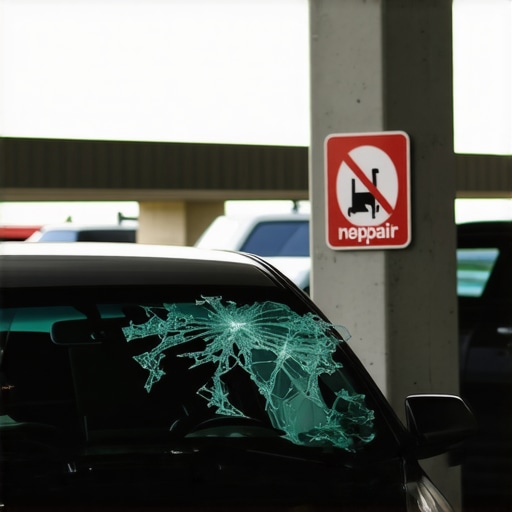
The average property owner views a window as a static sheet of glass. As a master glazier with a quarter-century in the field, I see a high-tension structural component that is constantly fighting against atmospheric pressure, thermal expansion, and the relentless pull of gravity. When you notice a chip or a crack, you are not just looking at a cosmetic flaw. You are looking at a localized failure in the structural integrity of the glazing unit. The decision to bring a mobile service directly to your office driveway or home is not just a matter of convenience. It is a calculated move to stabilize the glass before the environment turns a simple chip repair into a full-scale replacement of the entire sash.
The Physics of the Failure: Why Same-Day Service is Critical
A homeowner called me in a panic because their new windows were sweating and a small chip on the lower corner had suddenly shot a crack across the entire pane. I walked in with my hygrometer and showed them the humidity was 60 percent. It was not the windows; it was their lifestyle choices combined with a ignored structural defect. That tiny chip acted as a stress concentrator. In a cold climate like ours, the temperature differential (Delta T) between the warm interior air and the frigid exterior causes the glass to expand and contract at different rates on each surface. This creates internal tension. If that tension finds a chip, the glass will relieve the stress by cracking. This is why a same-day glass installer is vital. We use high-viscosity resins that are chemically engineered to match the refractive index of the glass while restoring its structural modulus. We do not just fill a hole; we re-bond the molecular structure of the pane.
“Installation is just as critical as the window performance itself. A high-performance window installed poorly will fail.” – AAMA Installation Masters Guide
The Mobile Shop: Precision Engineering on Wheels
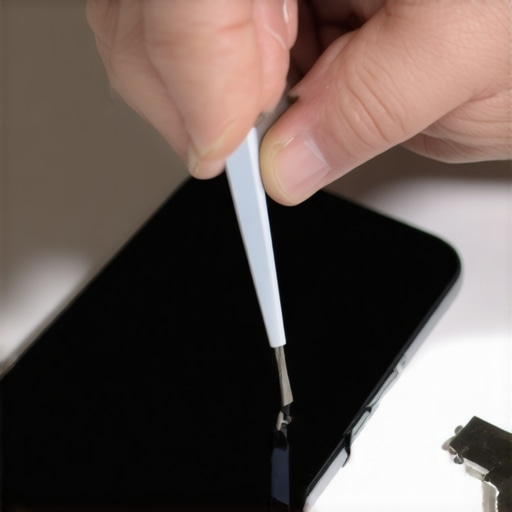
Bringing the shop to your driveway means we are performing a controlled procedure in the actual environment where the window lives. When we arrive for a chip repair, we are not just using a tube of glue. We employ a bridge and injector system that creates a vacuum over the impact point. This vacuum is essential because it evacuates the air and moisture trapped within the break. If you leave air in the chip, the resin cannot fully penetrate the microscopic fissures. In our cold northern climate, any residual moisture will freeze, expand, and shatter the repair from the inside out. We use UV-curing lamps to trigger a polymerization reaction in the resin, ensuring it reaches peak hardness in minutes, not hours. This level of precision requires a clean, stable environment, which we create within our specialized mobile units before applying it to your rough opening.
Thermal Stress and the U-Factor Reality
In regions where the thermometer stays below freezing for months, the U-Factor of your window is the most critical metric. The U-Factor measures the rate of non-solar heat loss. A chip in a double-pane or triple-pane Insulated Glass Unit (IGU) can compromise the seal. Once that seal is breached, the inert gas (usually Argon) escapes and is replaced by moisture-laden air. This is how you end up with permanent fogging between the panes. A mobile service allows us to assess if the seal is still intact. If we catch the chip early enough, we can preserve the thermal performance of the unit. We look at the glazing bead and the weep hole to ensure that the window is managing water correctly. If the weep holes are blocked and a chip is present, you are inviting hydrostatic pressure to force water into the frame, leading to the type of rot that ruins headers and sills.
“The primary purpose of a window installation system is to prevent water penetration and air leakage into the wall cavity.” – ASTM E2112 Standard Practice
The Anatomy of a Professional Repair
A true glass installer knows that every window is part of a larger building envelope. When we perform a mobile service, we follow a strict protocol. First, we clean the impact zone with a specialized surfactant that removes oils without leaving a residue that would interfere with resin bonding. Second, we examine the sash for any signs of racking or misalignment. Often, a chip occurs because the window was not shimmed correctly in the rough opening, causing it to sit at a slight angle and increasing the stress on the corners. Third, we apply the resin under pressure, ensuring it fills every microscopic crack. Finally, we scrape the excess and polish the surface to a flat finish. This is not a quick fix; it is a technical restoration of the window’s ability to resist wind loads and thermal cycling. We ignore the sales pitches for cheap DIY kits. Those resins often yellow under UV exposure because they lack the stabilizers found in professional-grade glazing compounds.
Why Office Driveway Service Makes Technical Sense
For most professionals, the office driveway is where their vehicle sits for eight hours. This is the perfect window of time for a same-day repair. Glass repair resins require a specific temperature range to cure correctly. If it is too cold, the resin becomes too thick to flow into the cracks; if it is too hot, it cures too fast and creates bubbles. By bringing our climate-controlled mobile shop to you, we can pre-warm or cool the glass surface to the optimal 50 to 75 degree range, regardless of the outdoor temperature. This ensures the chemical bond is absolute. We also check the flashing tape and the sill pan if we are looking at residential windows, as these are the areas where installers often cut corners. A window is only as good as the water management system surrounding it. By choosing a mobile glass installer who understands the science of the trade, you are protecting your investment from the inevitable decay that follows a neglected chip or a poorly sealed frame.