The truth about liquid screen protectors and durability
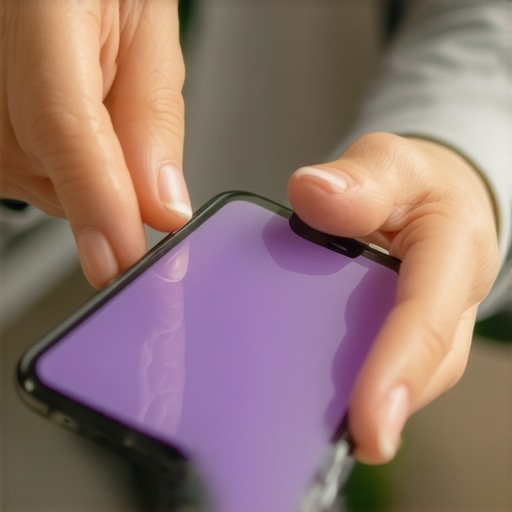
In the world of high-performance glazing, there is a massive divide between what marketing departments promise and what the laws of physics allow. As a master glazier who has spent nearly three decades analyzing the structural integrity of everything from skyscraper curtain walls to specialized mobile device glass, I have seen every fad come and go. Lately, the industry has been flooded with the concept of liquid screen protectors. Many people believe these wipe-on solutions are a miracle cure for glass vulnerability. They are not. If you are looking for real protection, you have to understand the molecular reality of the substrate you are dealing with, not just the glossy brochure. I recall a specific instance where I sat across from a regional distributor who was pitching a liquid titanium coating as a replacement for physical tempered glass overlays. I had to explain to him, and eventually the frustrated client, that no matter how many microns of liquid you wipe onto a surface, you cannot fundamentally change the fracture toughness of the base material. The return on investment for these coatings, when sold as ‘shatterproof’ solutions, is virtually nonexistent because they address surface hardness while ignoring structural tensile strength.
The Molecular Myth of 9H Hardness
One of the most frequent deceptions in the liquid glass world is the ‘9H’ rating. In the glazing trade, we deal with the Mohs scale of mineral hardness, but these liquid products often use the pencil hardness scale. This is a classic bait-and-switch. A liquid protector is essentially a form of Silicon Dioxide (SiO2) suspended in a carrier solvent. When the solvent evaporates, it leaves behind a microscopically thin layer of glass particles that fill in the microscopic valleys of your screen. This creates a smoother surface and improves scratch resistance against minor abrasives like sand or keys, but it does nothing to prevent a crack if the device hits the pavement.
“Installation is just as critical as the window performance itself. A high-performance window installed poorly will fail.” – AAMA Installation Masters Guide
This principle applies to liquid coatings as well. If the surface isn’t perfectly decontaminated, the bond fails immediately. Even when bonded, the layer is so thin that it cannot distribute the energy of an impact. It is like putting a fresh coat of paint on a piece of wood and expecting it to resist a sledgehammer. The ‘Rough Opening’ of the glass, metaphorically speaking, remains just as vulnerable to stress fractures as it was before the application.
Thermal Expansion and the Chip Repair Reality
In hot climates like Texas or Arizona, the enemy of glass is not just impact; it is the Solar Heat Gain Coefficient (SHGC) and the resulting thermal expansion. When glass is exposed to intense UV radiation, it expands. If you have a microscopic chip in your glass, that expansion creates a stress riser. A liquid screen protector might hide that chip, but it won’t stop the physics of expansion. This is where a professional glass installer and chip repair specialist becomes essential. Unlike a liquid wipe, a professional resin injection used in chip repair is designed to restore structural integrity. The resin has a similar refractive index to glass and, more importantly, a similar coefficient of thermal expansion. This ensures that when the sun beats down on the pane, the repair moves with the glass rather than fighting against it. Many mobile service providers offer same-day repairs because they know that if you wait, a small pit will become a full-blown crack across the entire sash.
Why Liquid Coatings Fail the Durability Test
Durability in the glazing world is measured by how a material handles repeated stress over time. Liquid protectors are sacrificial layers that wear off within six to nine months. They do not integrate into the glass lattice; they sit on top of the glazing bead area, slowly being eroded by the oils on your skin and the friction of your pockets. Furthermore, because these coatings are invisible, there is no way for a consumer to know when the protection has vanished.
“The NFRC rating system is designed to provide credible information on window performance, but it relies on the physical properties of the entire assembly, not just surface treatments.” – NFRC Performance Standards
When we look at a window’s performance, we look at the U-factor and the SHGC. Similarly, with glass durability, we must look at the thickness and the tempering process. A liquid protector cannot provide the ‘Sill Pan’ level of protection that a physical barrier provides. If you are worried about durability, you are far better off investing in a high-quality tempered glass protector or, if the damage is already done, seeking a mobile service for a professional chip repair.
The Professional Verdict: Mobile Service and Real Fixes
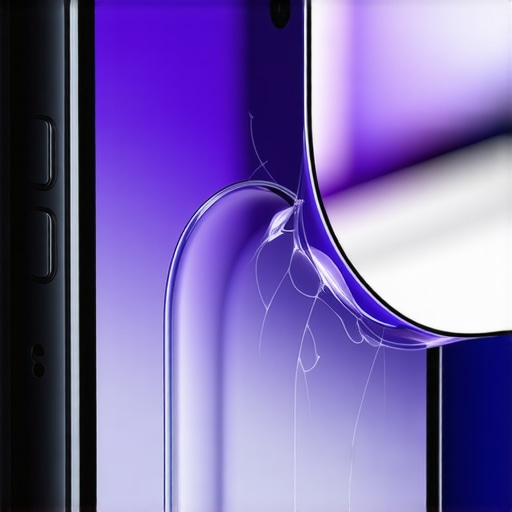
If you find yourself with a damaged screen or a chipped window, do not reach for a bottle of liquid ‘magic.’ These products are best used as oleophobic coatings to keep fingerprints away, not as structural reinforcements. For any real damage, a same-day chip repair from a certified glass installer is the only way to ensure the safety of the glass. We use specialized vacuums to pull air out of the fracture before injecting high-viscosity resins that bond at a molecular level. This is a technical process that involves understanding the ‘weep hole’ mechanics of moisture management and the pressure tolerances of the glass. In conclusion, while the tech sounds futuristic, liquid screen protectors are a cosmetic enhancement at best. Protect your investment with physical barriers and professional maintenance. If you see a chip, fix it immediately before the next heat wave turns that tiny dot into a spiderweb of broken glass.