The truth about tempered glass vs plastic screen protectors
The Structural Integrity of Your Interface
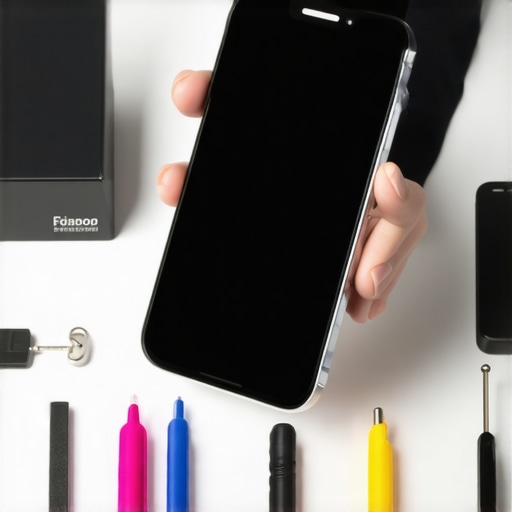
In the world of professional glazing, we do not view a surface as merely a barrier; we view it as a managed system for energy, impact, and clarity. Whether it is a 40-story curtain wall or the five-inch display in your pocket, the physics of light and force remain identical. I recently sat across from a tech kiosk salesman who was pushing a polymer-based film as the ultimate protection for a new flagship device. He used every buzzword in the book, calling it ‘military grade’ and ‘self-healing.’ I had to stop him and explain why his ROI calculation was fundamentally flawed. As someone who has spent decades analyzing the failure points of glass under stress, I showed him why a plastic film is effectively a temporary patch, while tempered glass is a structural component. Choosing plastic over tempered glass is like opting for a poly-wrap over a double-pane insulated glazing unit; you might block the wind, but you have zero structural resilience.
The Science of Tempering and Compression
To understand why tempered glass is superior, we must look at the tempering process itself. This is not just ‘hard glass.’ It is a material that has undergone a controlled thermal or chemical quenching process to induce high levels of surface compression. In architectural glass, we look for a surface compression of at least 10,000 psi for fully tempered status. For mobile devices, we use an ion-exchange process where larger potassium ions are stuffed into the ‘rough opening’ of the glass structure, replacing smaller sodium ions. This creates a permanent state of tension in the center and compression on the surface. When an impact occurs, the force must first overcome this internal compression before a crack can propagate. Plastic, or PET/TPU, has no such internal stress profile. It relies on elasticity, which fails the moment a sharp object exerts pressure at a single point.
“Safety glazing materials shall be tested for impact resistance to minimize the risk of injury from accidental contact and to maintain the envelope of the structure under stress.” – ASTM C1048 Standard for Heat-Treated Flat Glass
Climate Logic: The Heat Factor in the South
In hotter climates like Texas, Arizona, or Florida, the choice between plastic and glass becomes even more critical. This is where we discuss Solar Heat Gain Coefficient (SHGC) and thermal expansion. Plastic screen protectors are highly susceptible to UV degradation and thermal expansion. When you leave your device on a car dashboard, the ‘rough opening’ of the frame expands at a different rate than the plastic film. This leads to the ‘bubbling’ or ‘peeling’ we see in inferior installations. More importantly, plastic has a high thermal resistance, which can trap heat within the device, potentially affecting the battery life. Tempered glass, specifically those with high-end coatings, acts like a Low-E surface #2, reflecting a portion of the infrared spectrum while maintaining a high Visible Transmittance (VT). It remains dimensionally stable even when temperatures inside a vehicle reach 140 degrees Fahrenheit, ensuring the adhesive ‘glazing bead’ does not fail.
Mobile Service and the Precision of Installation
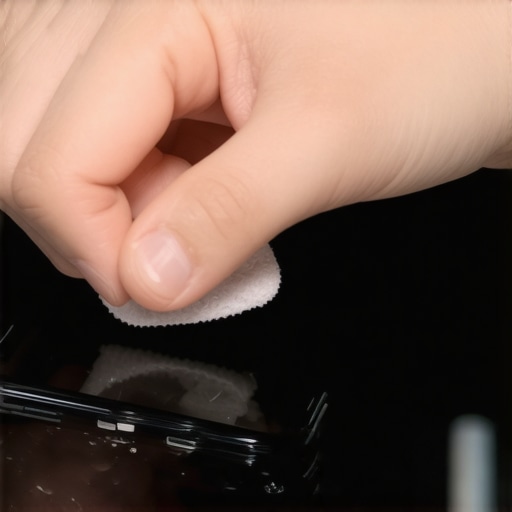
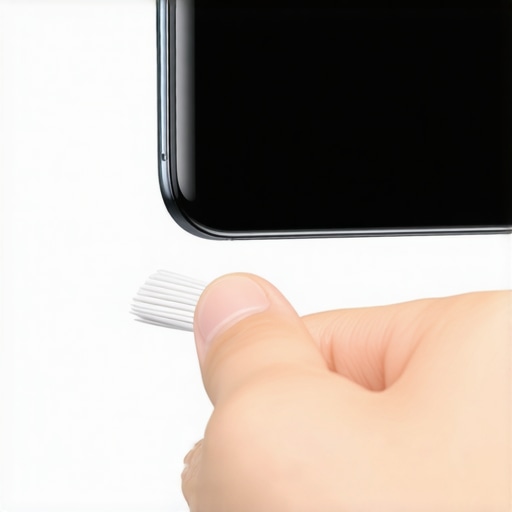
A common mistake I see is the ‘caulk-and-walk’ mentality of DIY screen application. Just as a window requires a ‘sill pan’ and proper ‘flashing tape’ to prevent water infiltration, a screen protector requires a pristine environment and precise alignment. A ‘mobile service’ or a professional ‘glass installer’ understands that even a single micron of dust acts like a ‘shim’ in the wrong place, creating a point of concentrated stress. Professional ‘same-day’ installers use clean-room techniques to ensure the ‘weep holes’ (speaker grilles and sensors) remain unobstructed. If you block a sensor, you are essentially failing the ‘operable’ requirements of the device. Many people ask about ‘chip repair’ for screens. In the glazing trade, once a tempered lite is chipped on the edge, the structural integrity is compromised. The entire ‘sash’ must be addressed. This is why edge-to-edge tempered glass is the only solution that mirrors the ‘shingle principle’ of water and force shedding.
“The performance of any glazing system is predicated on the material’s ability to maintain structural integrity under thermal stress and environmental load.” – NFRC Technical Manual on Fenestration
The Physics of Impact: Why Plastic Fails
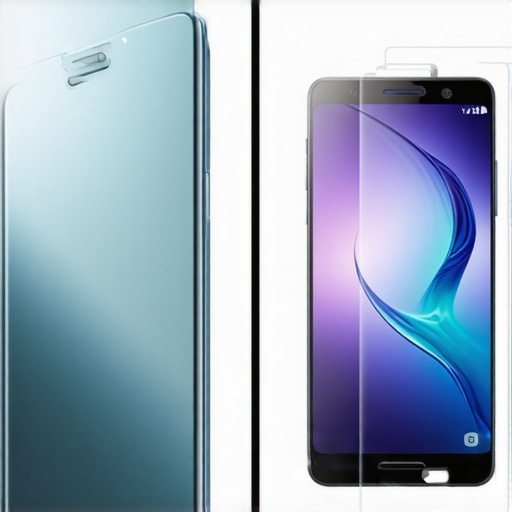
When we talk about ‘chip repair’ and impact, we have to look at the Vickers hardness scale. Plastic screen protectors usually land around a 2H or 3H. Tempered glass is pushed to 9H. This isn’t just a number; it is the difference between a ‘muntin’ holding firm and a frame collapsing. In a drop scenario, a plastic protector will deform, allowing the energy to pass directly into the primary display substrate. The tempered glass, however, acts as a sacrificial layer. It uses its internal tension to dissipate the energy across the surface. It might shatter, but in doing so, it saves the expensive ‘rough opening’ it was designed to protect. A ‘same-day’ ‘glass installer’ can then easily replace the sacrificial lite, whereas a failed plastic protector often results in a full display replacement.
Final Verdict: The Glazier’s Choice
Do not be fooled by the high-pressure sales pitch of polymer ‘self-healing’ films. If you want a solution that manages heat, resists scratches, and provides true structural impact protection, tempered glass is the only professional choice. It offers the clarity of an ‘extra-clear’ low-iron lite with the resilience of a commercial storefront. When you consider the cost of a device, the ROI on a high-quality glass installation is immediate. Look for a ‘mobile service’ that understands the technical nuances of glazing, and ensure your device is protected by the science of compression, not just a thin layer of cheap plastic. In the end, water always finds the leak, and force always finds the weakness. Don’t let a plastic film be the weak point in your system.