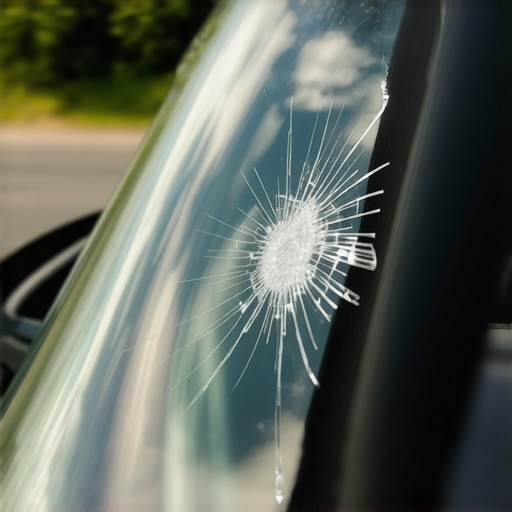
The difference between a crack and a pit in your auto glass
The Physics of Impact: Why Your Windshield Fails
When a stone strikes your windshield at highway speeds, it is not merely a matter of bad luck. It is a violent transfer of kinetic energy into a brittle solid. As a master glazier with a quarter century of experience, I have seen every possible permutation of glass failure. To the untrained eye, a mark on the glass is just a mark. To a professional glass installer, that mark tells a story of structural compromise. Understanding the difference between a pit and a crack is the first step in determining if you need a simple chip repair or a full-scale replacement. Unlike a residential sash that sits statically in a rough opening, your auto glass is a stressed member of the vehicle frame. It is constantly subject to vibration, torsion, and extreme temperature fluctuations.
The Narrative of Neglect: A Lesson in Structural Integrity
I recall a specific instance where a driver brought in a late-model sedan with what they described as a tiny speck. I pulled the vehicle into the bay, and as I inspected the glass, I realized the previous installer had ignored the fundamental principles of the shingle effect in the way they sealed the perimeter. But more importantly, that tiny speck was a deep pit that had already begun to harbor moisture. While we don’t use a cedar shim to level a windshield, the precision required is even higher. I told the owner that if he hit one more significant bump, the glass would fail. He didn’t believe me until I showed him with a UV light how the moisture had already begun to cloud the PVB interlayer. That pit was no longer just a surface wound; it was an entry point for environmental decay that would eventually rot the bond between the glass and the frame.
“Installation is just as critical as the window performance itself. A high-performance window installed poorly will fail.” AAMA Installation Masters Guide
Defining the Pit: The Crater of the Impact
A pit is a localized area where a piece of the glass has actually been physically removed from the surface. Think of it as a crater. When a sharp object hits the glass, the compression force exceeds the tensile strength of the silica, causing a small chunk to eject. In the world of chip repair, the pit is the easiest element to identify but often the most misunderstood. If the pit does not penetrate the outer layer to reach the Polyvinyl Butyral (PVB) interlayer, it might seem harmless. However, a pit creates a point of high stress concentration. It is a breach in the smooth, aerodynamic surface of the glass that allows dirt, oils, and washer fluid to accumulate. If you are seeking a mobile service for a same-day fix, the technician will focus on cleaning this pit to ensure the resin can bond to clean glass.
Defining the Crack: The Structural Cleavage
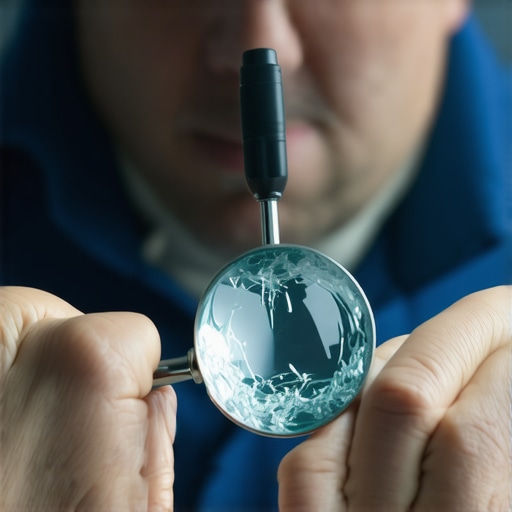
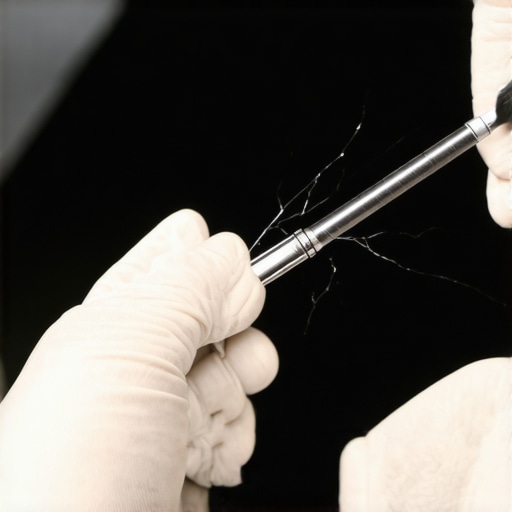
A crack is a different beast entirely. It is a separation of the glass fibers that can run along the surface or dive deep into the laminate. Cracks are often the result of a pit that was left untreated. When we talk about a glass installer assessing a crack, we are looking at the length and the direction. A crack is dynamic. It grows. This growth is driven by the coefficient of thermal expansion. Glass expands when heated and contracts when cooled. If there is a fracture line, the stresses of this movement cannot be distributed evenly across the pane. Instead, they concentrate at the very tip of the crack, forcing it further across the windshield. This is why a same-day chip repair is so vital before the fracture spreads beyond the legal limits of repairability.
“The windshield is a sophisticated safety device that provides up to 60 percent of the structural integrity of the vehicle in a rollover.” Auto Glass Safety Council (AGSC)
The Thermal Logic: Why Climate Dictates Your Risk
In regions where the sun is relentless, the Solar Heat Gain (SHGC) becomes the primary catalyst for glass failure. On a 100-degree day, your windshield can reach temperatures exceeding 140 degrees. If you have a small pit and you suddenly turn on the air conditioning, you are creating a massive thermal gradient. The inner ply of the glass is cool, while the outer ply is scorching. This thermal shock is the number one cause of a small pit turning into a three-foot crack. In these climates, we prioritize Low-E coatings on Surface number 2 of the laminate to reflect that heat back into the atmosphere. If the heat is allowed to soak into the glass, the resin used in a standard chip repair may not cure correctly or could lose its bond due to the extreme expansion of the surrounding silica.
The Science of the Repair: More Than Just Glue
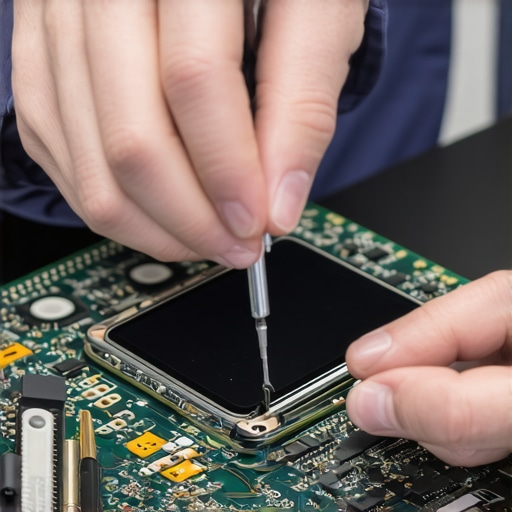
When a glass installer arrives via mobile service, they are performing a high-tech surgical procedure. The process of chip repair involves using a bridge and injector tool to create a vacuum over the pit. This vacuum is critical because it pulls the air out of the microscopic fissures of the crack. If air remains, the repair will be visible and structurally weak. Once the air is removed, an anaerobic resin is injected under pressure. This resin is engineered to have the same refractive index as the glass. This means that once it is cured with UV light, the light passes through the repair at the same angle it passes through the glass, making the damage nearly invisible. This same-day service is not just about aesthetics; it is about restoring the structural tension of the glass so it can once again contribute to the vehicle’s safety cage.
Why You Cannot Afford to Wait
Many drivers treat glass damage like a cosmetic dent in a fender. This is a mistake. A pit is a vulnerability in the chemical tempering of the glass. Once the surface tension is broken, the glass is in a state of constant stress. Every time you hit a pothole or drive over a speed bump, the vehicle frame flexes. That flex is transmitted directly to the glass. If the glass is intact, it resists the force. If it has a pit or a crack, it absorbs the force at the point of damage, leading to a catastrophic failure. A same-day mobile service can prevent the need for a full replacement, which is both more expensive and more invasive to the vehicle’s factory seal. When you choose a glass installer, you aren’t just buying a piece of glass; you are buying the assurance that the structural integrity of your car remains intact. Don’t be the person who waits until the crack reaches the edge of the glass. By then, the opportunity for a simple repair has passed, and you are looking at a full tear-out of the sash of your vehicle.