How to get a rock chip fixed without ever leaving your office desk
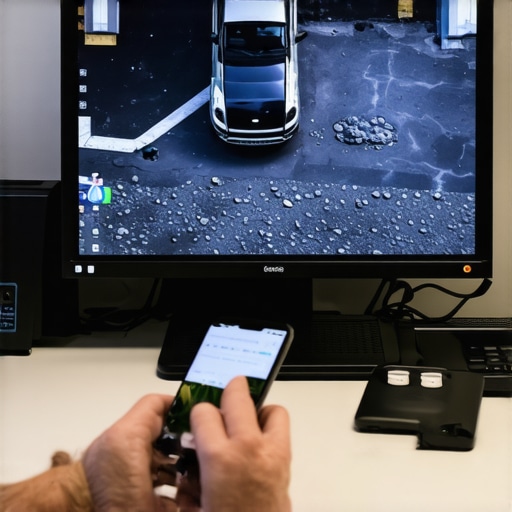
In the world of high-performance glass, a rock chip is more than a cosmetic blemish; it is a structural failure in progress. As a master glazier with over two decades in the trade, I have seen how a single millimetric fracture can compromise the entire integrity of a laminated pane. The average driver sees a tiny pit and thinks they have time. I see a localized stress concentration point that is waiting for the right thermal trigger to catastrophically fail. The convenience of mobile service is not just about your schedule; it is about the physics of glass stabilization. A mobile glass installer brings the laboratory to your office parking lot, ensuring that the chip is neutralized before the next temperature swing turns a simple repair into a full replacement. I remember sitting across from a homeowner who had ignored a small pit in their glass door. They thought they were being frugal by waiting. I had to explain that once the moisture enters that break and the sun hits it, the expansion of trapped air creates a hydraulic force that no amount of resin can fix after the fact. It is the same with automotive glass. A homeowner once called me in a panic because their windshield was sweating and then suddenly cracked across the middle while they were on a conference call. I walked out to their office desk with my hygrometer and a thermal imager. It was not a mystery; it was a small rock chip that had been ignored. The high humidity inside the car, coupled with the blast of the air conditioner on a ninety-degree afternoon, created a thermal shock that the compromised glass could not withstand. This is why a mobile service is the only logical choice for a busy professional. You stay at your desk, and the expert manages the dew point and the resin chemistry in the field.
“The primary goal of glass repair is to restore the structural integrity of the laminate and prevent further propagation of the break. Restoration of the optical properties is a secondary but critical benefit.” – NWRA ROLAGS Standard
The Anatomy of the Fracture: Why You Cannot Wait
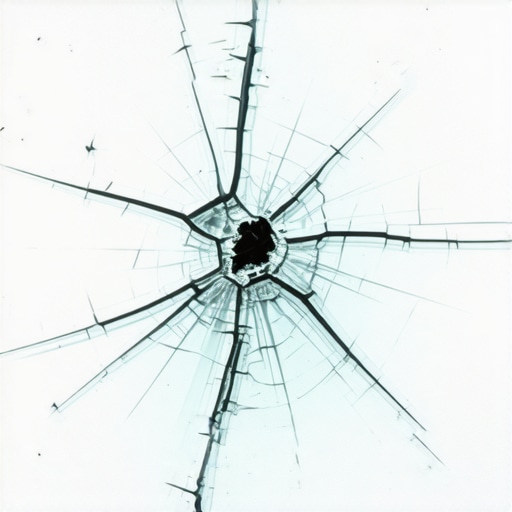
When an aggregate stone strikes your glass at sixty miles per hour, it creates a cone of percussion. In technical terms, this is a Hertzian Cone. The impact exceeds the tensile strength of the glass, causing a separation of the glass from the Polyvinyl Butyral (PVB) interlayer. There are several types of breaks: the bullseye, the star break, the partial bullseye, and the crater. Each requires a specific resin viscosity. A master glass installer evaluates the break using a magnifying tool to determine if there is crushed glass in the pit. If the installer does not clear the rough opening of the chip, the resin will not bond. We use a carbide scribe to remove micro-shards, ensuring the resin can flow into every microscopic fissure. This is the difference between a high-quality repair and a cheap DIY kit. A professional uses a vacuum-pressure cycle. We first pull a vacuum to remove all air from the break. If you leave air inside, you will see a silver reflection after the repair, which indicates a failure to achieve a full bond. Once the air is evacuated, we switch to a high-pressure injection, forcing a specialized acrylic resin into the void. This resin is formulated to match the refractive index of the glass, which is typically around 1.51. By matching the refractive index, the repair becomes nearly invisible to the human eye, but more importantly, it restores the load-bearing capacity of the pane.
Thermal Dynamics and the Climate Context
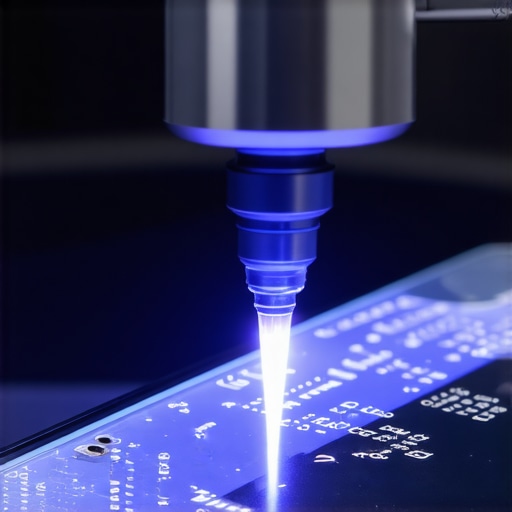
In regions with significant temperature fluctuations, a rock chip is a ticking time bomb. If you are in a cold climate, the enemy is the expansion of frozen moisture. Water enters the chip and, as it freezes, it expands by nine percent. This creates a leverage effect inside the glass layers that can split the laminate instantly. Conversely, in hot climates like Texas or Arizona, the radiant heat on the glass surface can reach one hundred and fifty degrees. When you start your car and blast the air conditioning, the rapid contraction of the inner glass layer against the expanding outer layer creates a shear stress. If a chip is present, that stress will find the weakest point and propagate a crack across the entire sash of the vehicle. A same-day mobile service prevents this cycle. The glass installer can apply a UV-curable resin that creates a chemical bond stronger than the original glass. This resin is cured using a specific wavelength of ultraviolet light, usually around 365 nanometers, which triggers a polymerization reaction. This process takes minutes but provides a permanent fix that allows you to drive home safely at the end of the day.
“Installation and repair procedures must account for environmental variables to ensure the long-term stability of the glazing system.” – ASTM E2112 Standard Practice
The Process: How Mobile Service Operates While You Work
The mobile service technician arrives and first assesses the glass temperature. If the glass is too hot, the resin will thin out and may not cure properly; if it is too cold, it becomes too viscous to penetrate the finest legs of a star break. The technician may use a heating element or a cooling shield to stabilize the area. Once the temperature is optimized, the bridge is mounted over the chip. This bridge is a precision tool that allows for the controlled application of pressure. Unlike the cheap plastic tools found in retail stores, a professional bridge is made of machined aluminum or high-grade steel, allowing for micro-adjustments. The glass installer then monitors the resin flow. After the injection is complete, a pit filler resin is applied to the surface. This is a thicker, harder resin designed to withstand the friction of windshield wipers and environmental exposure. A curing tab is placed over the pit, and the UV light is applied. Finally, the excess resin is scraped away with a surgical grade razor blade, leaving a smooth, flush surface that is optically clear and structurally sound. This entire process happens while you are answering emails or leading a meeting. There is no need to navigate a waiting room or disrupt your workflow. You are hiring a specialist who understands that the glass is a critical safety component, not just a window. By opting for a same-day mobile glass installer, you are ensuring that the structural envelope of your vehicle remains intact without the logistical headache of a shop visit.